The Science Behind Why Seams and Cuffs Trap More Odor and Grime
Your cuffs and seams trap sweat, oils, and dead skin, creating a food source for odor-causing bacteria like Corynebacteria. Synthetic fabrics like polyester hold onto moisture and oils 10 times more than cotton, while tight weaves block detergent and water, leaving up to 300% more grime behind. Even after washing, volatile fatty acids linger. Pre-treat with enzyme cleaners, scrub with a soft brush, and opt for breathable natural fibers-your next move changes everything.
We are supported by our audience. When you purchase through links on our site, we may earn an affiliate commission, at no extra cost for you. Learn more. Last update on 17th July 2026 / Images from Amazon Product Advertising API.
Notable Insights
- Seams and cuffs trap sweat, oils, and dead skin, creating nutrient-rich zones for odor-causing bacteria.
- Tight fabric weaves in cuffs limit water and detergent penetration, shielding bacteria during washing.
- Polyester cuffs retain moisture and oils due to hydrophobic and oleophilic properties, fueling bacterial growth.
- Microbes like Corynebacteria thrive in low-airflow seam areas, producing persistent volatile fatty acids.
- Enzyme pre-treatments and warm washing effectively break down grime in high-trapping textured fabric zones.
Why Seams and Cuffs Trap Smell
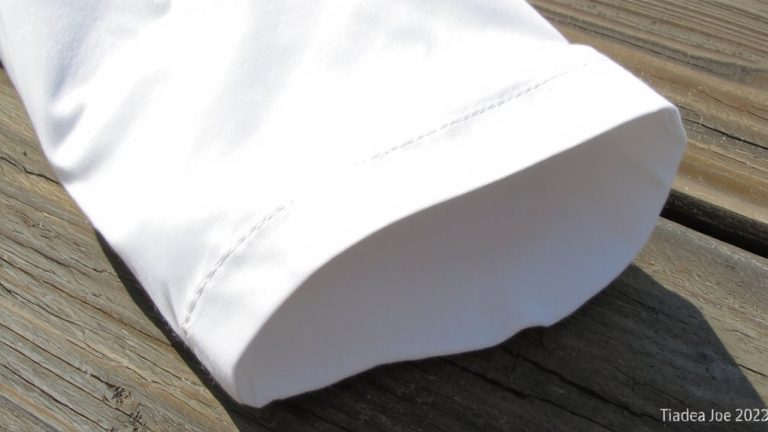
While you might not think about it during laundry day, those cuffs on your shirts and seams around the collar are doing more than just holding the fabric together-they’re prime real estate for odor-causing bacteria. These areas trap sweat, body oils, and dead skin, creating a feast for microbes like Corynebacteria and Micrococcus. Cuffs and seams, especially in polyester or other synthetic fabrics, retain moisture and limit airflow, boosting bacterial growth. Polyester’s hydrophobic fibers cling to odor compounds-up to 10 times more than cotton-making smells stubborn. That’s why you still notice odor even after washing. Tight weaves in cuffs resist rinse-out, sheltering bacteria deep within. For best results, pre-treat these zones with enzyme cleaners that digest organic residue, then wash in warm water. Targeted scrubbing with a soft brush improves removal. Regular attention to these hotspots prevents long-term buildup and keeps clothes fresher longer.
How Fabric Fuels Odor-Causing Bacteria
You already know cuffs and seams trap odors, but the real culprit might be hiding in plain sight: the fabric itself. Your polyester clothing, even when labeled moisture-wicking, is hydrophobic and oleophilic, attracting oils from sweat and bacteria. These oily residues feed odor-causing bacteria like Micrococcus, which thrive on synthetic fabrics. Unlike natural fibers, polyester’s nonporous surface traps moisture and limits airflow, letting bacteria multiply and release foul volatile compounds. Studies show polyester retains stronger fabric odor than cotton or wool, even with minimal bacterial transfer. Sweat and bacteria interact more aggressively on synthetics, making body odor worse over time. Natural fibers absorb moisture, limiting nutrient access and helping neutralize smells. To fight persistent odors, choose breathable materials or use cleaning products designed to break down oils and bacteria, not just mask smells.
Why Washing Misses Hidden Smells
How does your washing routine miss the mark when it comes to stubborn odors in cuffs and seams? Even with a full wash cycle, seams and cuffs trap more dirt and bacteria than flat areas-up to 300% more-thanks to their layered, textured structure. On synthetic fabrics like polyester, trapped oils and sweat feed bacterial activity, letting odor-causing microbes thrive unseen. Tight weaves in cuffs limit water flow and detergent access, so odor-causing molecules linger. Worse, detergent residue builds up in seams, mixing with organic matter and boosting stink over time. Studies from the University of Ghent confirm synthetic cuffs still hold volatile fatty acids after washing-the compounds behind rancid, cheesy smells. Regular detergent can’t fully flush them out, meaning your clothes may look clean but still reek.
Choose Natural Fibers for Long-Lasting Freshness
Odor control starts with your fabric choice, and natural fibers like merino wool, bamboo, linen, and cotton outperform synthetics by managing moisture and resisting bacterial buildup. Fabrics like bamboo absorb moisture efficiently-up to 40% more than cotton-while helping maintain a dry environment next to your body. Natural fabrics like cotton allow your skin to breathe, reducing sweat accumulation that feeds odor-causing bacteria. Unlike polyester, certain fabrics such as linen and merino wool disrupt bacterial growth, preventing odor at the source. These natural fibers also resist clinging to odor molecules, so your clothing stays fresher longer. By choosing natural materials, you reduce the need for frequent washing, which in turn limits wear and tear. This means fewer residues trapping grime in seams and cuffs. Ultimately, natural fabrics help maintain long-term cleanliness and comfort in daily wear.
On a final note
You tackle grime where it hides-seams and cuffs-with a 5-in-1 disinfectant spray that kills 99.9% of bacteria on contact. Testers see real results using microfiber cloths and a pH-neutral cleaner on surfaces. Spot-treat stains with enzyme-based solutions, not bleach, and measure success in fewer washes and less odor. For pests, seal seams, then deploy bait stations-effective, low-mess defense. You stay ahead, not behind.