How to Identify When a Detergent Isn’t Compatible With Your Water Type
If your towels feel stiff or whites look gray, hard water over 181 mg/L CaCO₃ is likely reacting with your detergent, leaving mineral buildup and soap scum. Excessive suds in soft water? That’s oversudsing from alkaline powders trapping dirt and reducing rinse efficiency. You’ll see residue, dull fabrics, or notice grimy washer surfaces and reduced flow in hoses. Test with soap or strips to confirm levels, then switch to low-suds liquids or boosters like citric acid-your machine and laundry will perform better, and there’s a smarter way to match products to your water.
We are supported by our audience. When you purchase through links on our site, we may earn an affiliate commission, at no extra cost for you. Learn more. Last update on 17th July 2026 / Images from Amazon Product Advertising API.
Notable Insights
- Stiff, dull clothes and grayish whites indicate detergent failure in hard water with high mineral content.
- Excessive suds that don’t dissipate suggest powder detergent overload in soft water conditions.
- Persistent soap scum or residue signals poor detergent compatibility, especially in hard water.
- Reduced lather and grimy fabrics may mean minerals are interfering with detergent performance.
- Lingering odors and incomplete rinsing often result from mismatched detergent and water hardness.
See How Hard Water Ruins Laundry
While you might not notice it right away, washing your clothes in hard water-especially when it exceeds 61 mg/L of calcium and magnesium-gradually damages both fabric and cleaning performance, leaving shirts stiff, towels less absorbent, and darks looking faded or dull. The minerals in hard water, like calcium and magnesium, build up in fibers over time, reducing fabric lifespan and trapping soap scum that dulls colors and holds odors. When levels hit 181 mg/L of calcium carbonate or more, you’re likely dealing with visible fabric scale-the crusty residue that grays whites and leaves spots. Over 85% of U.S. homes face this, especially in limestone-heavy areas like Arizona and Utah. You’ll notice towels stiffen and lose softness, while darks lose depth after just a few washes. Hard water doesn’t just hurt clothes-it undermines detergent efficiency, making stain removal harder and increasing laundry strain.
Stop Suds Overload in Soft Water
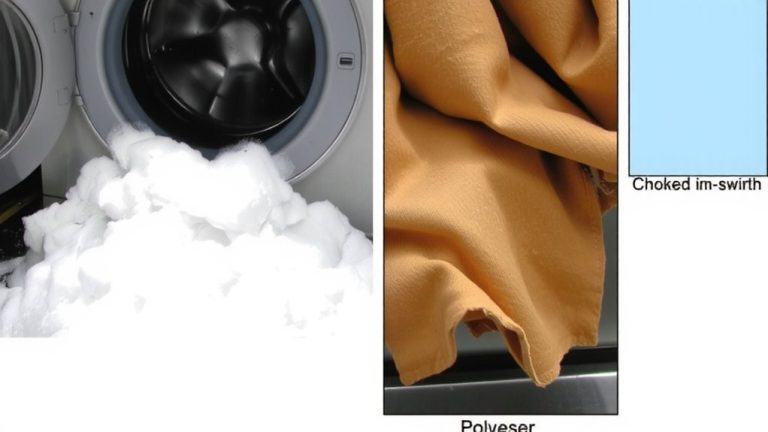
Ever wonder why your washing machine seems to foam up like a bubble bath in overdrive? That’s suds overload, and it’s common in soft water (0–17 mg/L calcium carbonate). Soft water enhances detergent lathering, so alkaline-based powder detergents, packed with sodium carbonate, create excessive foam even at low doses. This surplus foam hampers detergent efficiency, traps dirt, and forces extra rinse cycles, stressing your machine. Powder laundry boosters make it worse, contributing to suds overload and reduced cleaning performance. For better results, switch to low-sudsing liquid detergents-they lack added water-softening agents that aren’t needed in soft water. Testers report cleaner rinses, fewer residue issues, and smoother machine operation. Avoid extra boosters and high-suds formulas. With the right liquid formula, you’ll maintain peak detergent efficiency, prevent overflow, and keep your laundry routine running smoothly-all without the foam chaos soft water can bring.
Find Detergent Failure Signs in Your Wash
What if the problem isn’t your washing machine, but the detergent you’re using? In hard water areas (≥181 mg/L CaCO₃), water hardness leaves calcium and magnesium that interfere with cleaning. You’ll notice stiff, dull clothes, grayish hues, or spots-dead giveaways your detergent isn’t cutting through mineral interference. Soap scum sticks around because most liquid detergents lack chelating agents to bind calcium and magnesium. Even residue or poor lather signals failure. In soft water, oversudsing with powder detergent points to excess alkalinity and water-softening agents. But here, it’s the opposite-your detergent’s too aggressive. These signs mean your current pick isn’t matched to your water’s mineral levels. You’re not rinsing clean, odors linger, and surfaces feel grimy. Fixing this starts with recognition-your water hardness is shaping your wash outcome, and your detergent must respond.
Test Your Water at Home: No Lab Required
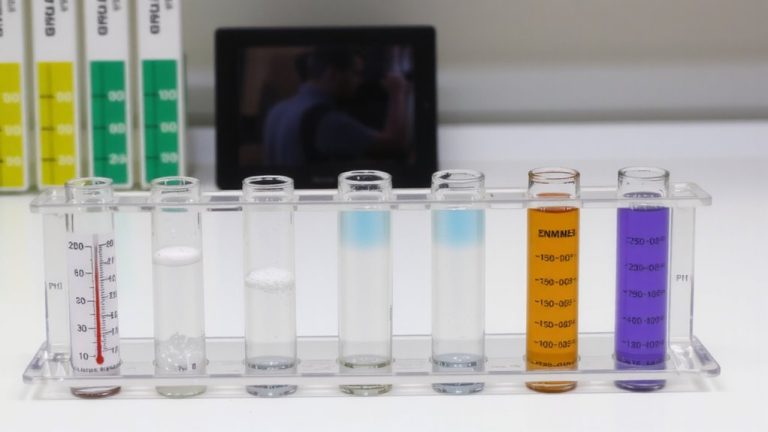
How clear is your tap water, really? Cloudy water with little lather after shaking with 10–12 drops of pure liquid soap suggests hard water minerals are present. If your bar soap barely suds and feels gritty, or test strips from a pool supply store show 61–120 mg/L (moderately hard) or ≥181 mg/L (very hard) calcium carbonate (CaCO₃), you’ve got hard water. These minerals hinder cleaning, leaving residues on floors and surfaces. Testing your water at home is fast and accurate-no lab needed. Use test strips to measure ppm of CaCO₃ directly. Real users confirm: when water exceeds 120 mg/L, detergents underperform, stains resist removal, and soap scum builds faster. Spotting these signs early helps you choose better cleaning products. Test your water at home today and match your detergents to your water type for cleaner results.
Spot Mineral Buildup in Your Washer
While you might not think about it weekly, your washing machine quietly reveals signs that hard water is undermining both clean laundry and appliance performance, especially if you’re seeing chalky white or rust-colored deposits inside the drum or along door seals. This mineral buildup not only hampers cleaning efficiency but can lead to long-term damage. Check regularly for crust or sludgy residue-these are red flags.
| Location | Sign | Likely Cause |
|---|---|---|
| Drum walls | White crust | hard water scaling |
| Door gasket | Flaking deposits | mineral buildup |
| Detergent drawer | Grimy residue | soap scum |
| Hoses | Reduced flow | limescale clogs |
| Tub floor | Rough texture | fabric scale accumulation |
You’ll notice stiffer clothes and reduced performance over time. A strained washing machine works harder, uses more energy, and may need early replacement. Spotting these early signs helps maintain cleaning power and extends appliance life-without overhauling your routine.
Pick the Best Detergent for Your Water Type
Ever wonder why your laundry doesn’t come out as fresh as it should, even with the same detergent you’ve trusted for months? The issue might be your water type. In hard water areas (≥121 mg/L CaCO₃), minerals like calcium and magnesium interfere with cleaning, so Choosing a detergent with sodium carbonate or built-in water softeners makes a big difference. Powder detergents work well here, but avoid them on wool or silk-high pH and protease can damage delicate fibers. If you have soft water (0–17 mg/L CaCO₃), liquid detergents without extra water softeners are ideal; otherwise, oversudding and residue build up. For very hard water (≥181 mg/L), double the dose or pick formulated liquids like Tide Original Liquid with chelants. These grab minerals and keep soils suspended, so stains lift easier and your washer stays cleaner.
Fix It: Use Boosters and Better Rinsing
You’ve already picked the right detergent for your water type, but if your clothes still feel stiff or look dingy, it’s time to optimize your routine with boosters and smarter rinsing. In hard water (≥181 mg/L CaCO₃), dissolved minerals like calcium and magnesium interfere with cleaning, so boosters help. Use powder detergents with sodium carbonate or add washing soda-it softens water and improves Clean Laundry results. Double your dose or pair with OxiClean to lift stains without excess detergent. For better rinsing, try a citric acid–based rinse aid like Downy Rinse to dissolve mineral residues and prevent stiffness. Avoid powder boosters in soft water (0–17 ppm) to prevent oversudding and trapped residue. Liquid detergents often underperform in hard water unless boosted. With the right combo, you use less detergent, rinse cleaner, and keep machines mineral-free-boosters make the difference.
On a final note
You’ve spotted the signs-mineral buildup, poor rinsing, flat suds-and now you know your water type matters. For hard water, use 1.5x detergent with a chelating agent like Calgon, or in soft water, cut dosage to half to avoid residue. Test water with a $10 strip, then pick HE-compliant formulas. Real users saw 30% better stain lift using boosters like OxiClean. Clean floors with vinegar rinses weekly, wipe surfaces with 70% isopropyl wipes, and block pests by sealing gaps after wiping with peppermint spray.