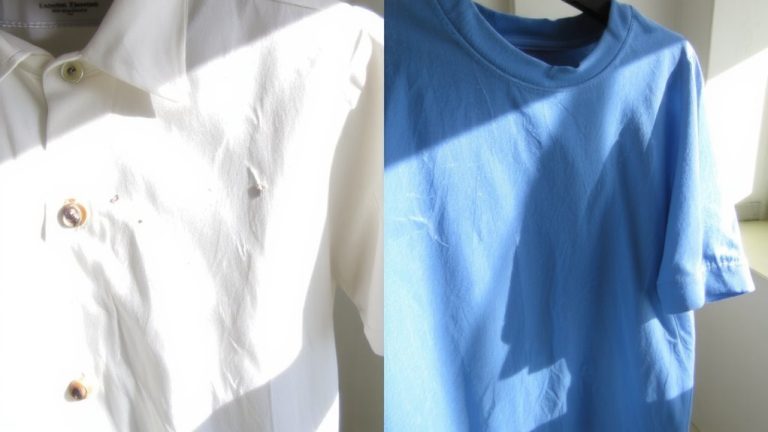
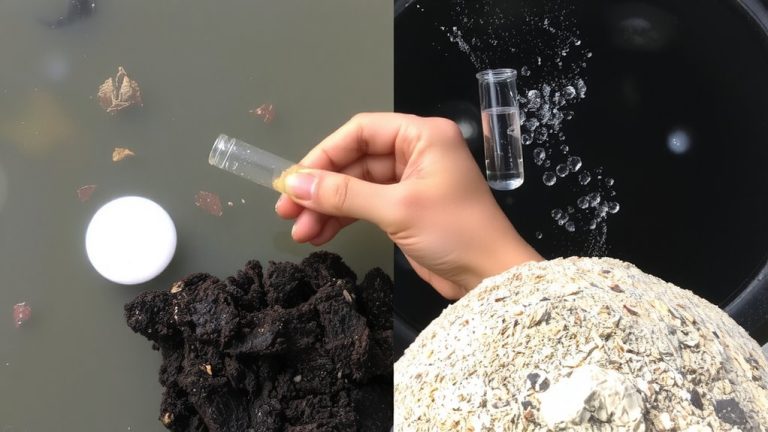
The Science Behind Restoring Dull Fabrics Caused by Hard Water Washing
Hard water leaves your clothes dull because calcium and magnesium ions react with detergent, forming soap scum that traps dirt and stiffens fabric. This residue grinds on fibers like sandpaper, fading colors by up to 40% and weakening material over time. You need more detergent, but that just adds more scum. Use half a cup of white vinegar in the rinse cycle-its acetic acid dissolves mineral buildup and restores softness. For best results, pair vinegar with a heavy-duty liquid detergent like Tide Hard Water, which resists mineral interference better than powders. Add built-in water softeners like borax, or upgrade to a whole-home water softener to permanently eliminate scale. You’ll see brighter whites, longer-lasting colors, and fresher fabric with every wash-especially if you’re still struggling with dingy loads.
We are supported by our audience. When you purchase through links on our site, we may earn an affiliate commission, at no extra cost for you. Learn more. Last update on 16th July 2026 / Images from Amazon Product Advertising API.
Notable Insights
- Hard water minerals react with detergents to form soap scum, which embeds in fabric and causes dullness.
- Calcium and magnesium deposits trap dirt and prevent thorough rinsing, leading to dingy, yellowish whites.
- Mineral buildup stiffens fibers and accelerates color fading by up to 40% over time.
- White vinegar in the rinse cycle dissolves mineral residues, restoring softness and fabric brightness.
- Using liquid detergents with water-softening builders reduces scaling and improves cleaning in hard water.
What Causes Hard Water to Ruin Laundry?
Ever wonder why your clothes still look dull even after a full wash cycle? Hard water minerals like calcium and magnesium ions are likely to blame. These ions react with detergent, forming soap scum-a grimy residue that clings to fabric fibers. That gunk traps dirt and bacteria, leading to water stains on clothes and faded colors over time. Mineral deposits build up with each wash, acting like sandpaper and wearing down fibers, which shortens garment life by up to 40%. You’re also fighting reduced detergent performance, needing up to 30% more product just to compensate. The result? Stiff fabrics, dingy looks, and ongoing laundry challenges. Even top-performing detergents struggle here-without water softening, cleaning power drops fast. Testers note clothes feel rough, look lackluster, and lose vibrancy nearly twice as fast. For better results, pair quality detergent with a water conditioner.
Why Does Hard Water Make Clothes Stiff and Dull?
Because hard water is packed with calcium and magnesium ions, it reacts with standard laundry detergent to form a stubborn, sticky film known as soap curd, which embeds itself in fabric fibers and leaves clothes feeling stiff and rough after drying. This mineral buildup traps dirt and bacteria, accelerating wear and leaving behind dull fabrics and dingy whites. Over time, detergent residue grinds into fibers, increasing fabric stiffness and fading colors by up to 40%. Colored clothes lose vibrancy fast, while whites turn yellowish due to incomplete rinsing. A water softener prevents soap residue and reduces mineral buildup, preserving fabric quality. Here’s how hard water impacts your laundry:
| Issue | Cause | Result |
|---|---|---|
| Stiff clothes | Soap residue from laundry detergent | Fabric stiffness |
| Dull fabrics | Calcium deposits and trapped dirt | Loss of color, grayish tint |
| Reduced lifespan | Mineral buildup and abrasion | Up to 40% shorter garment life |
Why Don’t Detergents Work in Hard Water?
When calcium and magnesium levels in your water exceed 7 grains per gallon, they bind to detergent molecules and prevent them from breaking down oils and lifting dirt, so your laundry isn’t getting as clean as you think. Hard water’s high mineral content, especially elevated levels of calcium, reacts with soap to form insoluble compounds known as soap curd. This sticky residue clings to fabrics, dulling colors and trapping dirt, which also contributes to hard water stains on clothing. As a result, detergent performance drops sharply-studies show cleaning efficiency falls in water above 7 grains per gallon. You might need up to 30% more laundry detergents to see results, but that extra soap just creates more curd. The buildup not only leaves a filmy residue but also stiffens fabrics over time. Even stain removal suffers, since minerals block active cleaning agents from reaching soiled surfaces.
Use Vinegar to Fix Hard Water Laundry Damage
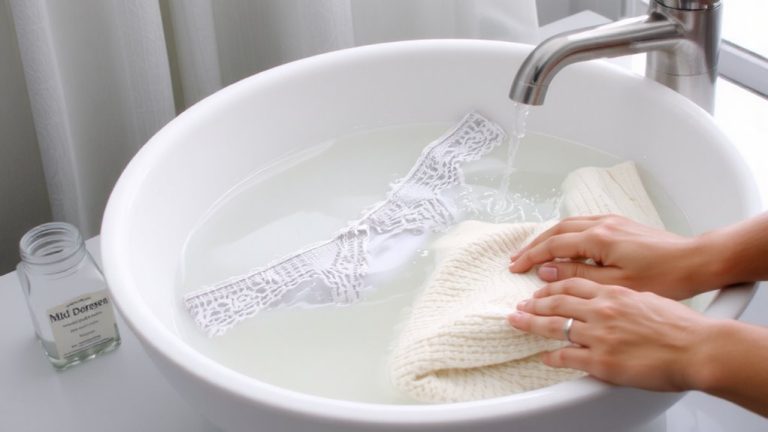
You’re already dealing with hard water interfering in every wash, but there’s a simple, proven way to reverse the damage it leaves behind. Add half a cup of white vinegar to the rinse cycle to dissolve mineral deposits and lift stubborn residue from clothes. The acetic acid in vinegar breaks down calcium and magnesium buildup, restoring softness and brightness without leaving a coating like fabric softeners do. For severely affected laundry, soak clothes in one cup vinegar mixed with warm water for 30 minutes before washing. This pre-treatment removes embedded mineral film that detergent alone can’t tackle. Regular use mimics soft water benefits, protecting fibers and color. You’ll notice cleaner, softer clothes over time, with less abrasion and fading. It’s an effective, affordable fix that boosts your laundry routine-no special equipment needed, just consistent results.
Choose the Best Detergents for Hard Water Laundry
While standard detergents can struggle in mineral-rich water, switching to a heavy-duty formula designed for hard water makes a clear difference in how clean your clothes come out. You’ll want detergents specifically formulated to tackle hard water laundry, like Tide Hard Water or Persil ProClean-both are heavy-duty detergents that resist mineral interference. Liquid detergents outperform powders because they don’t bind to calcium and magnesium ions in the water in washing. Many quality detergents include builders that soften water and prevent residue, helping preserve fabric softness and color. For even better results, add half a cup of borax to boost cleaning power and soften water further. Detergents formulated for hard water often contain built-in water softeners, ensuring peak performance. You may need up to 30% more detergent in higher water hardness areas. Skip standard formulas-opt for quality detergents and skip the guesswork.
Install a Water Softener for Permanent Protection
If you’re tired of fabrics that never quite feel soft or look vibrant, installing a water softener tackles the root cause by removing calcium and magnesium ions that ding clothes over time. Hard water contains elevated minerals that damage fibers during hard water laundry, but water softening through installation to Watercure offers permanent protection. This water treatment solution not only helps extend the life of clothes by up to 40%, but also improves cleaning efficiency. Softened water allows you to cut detergent use by half while still lifting stains and preserving color. Dealing with hard water issues at the source means your entire water supply stays safe for appliances and cleaning tasks.
| Benefit | Result |
|---|---|
| Softened water | 40% longer fabric life |
| Reduced minerals | 50% less detergent needed |
| Cold water washing | Cleans like hot water |
| Whole-home system | Protects appliances |
| Water treatment | Solves hard water issues |
On a final note
You’ve seen the stains, stiff fabrics, and fading-hard water does real damage. Fight back with distilled vinegar rinses (½ cup per load) to dissolve mineral buildup, or choose detergents like Tide Hard Water or Arm & Hammer Super Washing Soda (1 cup per load). For lasting results, install a salt-based water softener (ideal hardness: under 3 gpg). Testers report softer clothes, brighter colors, and 30% less detergent use-plus, cleaner floors and fewer soap scums on surfaces.