Why Oxygen-Based Boosters Are More Effective Than Chlorine for Odor Removal
You’re getting better odor elimination with oxygen bleach because it releases hydrogen peroxide that breaks down sweat, mildew, and food residues at the molecular level. Unlike chlorine, it won’t damage fabrics, fade colors, or produce toxic fumes. Safe on carpets, upholstery, and grout, it works in cold or warm water-just use ½ cup in a pre-soak for 1–6 hours. It’s biodegradable, septic-safe, and EPA Safer Choice certified, so you’re protecting your home and the environment. There’s more to how it outperforms other cleaners in everyday use.
We are supported by our audience. When you purchase through links on our site, we may earn an affiliate commission, at no extra cost for you. Learn more. Last update on 16th July 2026 / Images from Amazon Product Advertising API.
Notable Insights
- Oxygen bleach eliminates odors at the source by breaking down organic compounds with reactive oxygen molecules.
- It safely removes sweat, mildew, and food-based odors without producing toxic fumes or hazardous byproducts.
- Unlike chlorine bleach, oxygen bleach does not damage fabrics, cause color fading, or weaken fibers.
- It works effectively in both cold and warm water, making it versatile for laundry and surface cleaning.
- Oxygen bleach is biodegradable, septic-safe, and certified by EPA Safer Choice for household use.
Why Oxygen Bleach Beats Chlorine at Killing Odors
While chlorine bleach might come to mind first when tackling tough smells, oxygen bleach actually outperforms it when it comes to safely and effectively eliminating odors at the source. Oxygen bleach, made from sodium percarbonate, dissolves in water to release hydrogen peroxide, a powerful yet gentle oxidizing agent. Unlike chlorine bleach, it breaks down odor-causing compounds from sweat, mildew, and organic spills without toxic fumes or damaging fabrics. You can use it on carpets, upholstery, and laundry without worrying about discoloration-perfect for routine fabric care. It’s effective in both hot and cold water, maintaining its ability to remove tough stains and neutralize musty smells where chlorine bleach falters. Trusted products like OxiClean Odor Blasters use this chemistry for reliable odor removal, making oxygen bleach the smarter, safer choice for deep cleaning floors, surfaces, and stained materials without harsh risks.
How Oxygen Bleach Destroys Odors at the Molecular Level
Oxygen bleach doesn’t just cover up smells-it goes after them at the source, breaking down odor-causing molecules on a molecular level. When you mix sodium percarbonate with water, it releases hydrogen peroxide, which quickly splits into oxygen molecules and water. These reactive oxygen molecules attack organic compounds like sweat, mildew, and food residues, neutralizing odors instead of masking them. This process works deep into fabrics and porous surfaces, effectively eliminating stubborn smells even in cold water, though warm water boosts hydrogen peroxide activation. Products like OxiClean Odor Blasters use this chemistry to clean floors, surfaces, and laundry safely-without toxic fumes. Oxygen bleach breaks down odor-causing molecules fast, leaving no harmful byproducts. It’s proven in real tests to outperform alternatives, removing stains and odors from grout, mats, and upholstery. You’ll notice cleaner results, faster turnaround, and no lingering funk.
Risks of Chlorine for Odor Removal
You’ve seen how oxygen-based cleaners break down odors safely and effectively, even on porous surfaces and in cold water. Now, consider the risks of using chlorine. Chlorine bleach isn’t just harsh-it’s corrosive, damaging rubber seals, plastics, and metal parts, especially during car odor treatment. When mixed with ammonia, even in small amounts found in some cleaning products, it releases toxic chloramine gases, increasing respiratory risks. Its strong odor lingers, irritating eyes and lungs, even when diluted. Chlorine reacts with organic matter, forming hazardous disinfection byproducts like trihalomethanes-potential carcinogens. On floors or upholstery, it causes fabric degradation, fading colors and weakening fibers. You’ll also risk surface damage and ineffective strain removal on porous materials. For homes with pets or kids, or during pest infestation cleanup, these downsides make chlorine bleach a risky choice compared to safer, more reliable oxygen-based solutions.
Ozone & Chlorine Dioxide vs. Oxygen Bleach: Which Works for Home Use?
What if your go-to odor fighter could tackle tough smells without risking your family’s health or your home’s surfaces? You can use oxygen bleach-made from sodium percarbonate-for safe, effective odor removal on clothes, floors, and surfaces. It breaks down organic stains and neutralizes smells without fading fabrics or harming septic systems. Unlike harsh chlorine bleach, this non-chlorine bleach won’t produce toxic byproducts. Chlorine dioxide (ClO₂ gas) works well on smoke or pet odors, but it can discolor materials and demands protective gear. Ozone, generated by ozone machines, penetrates deep into carpets and HVAC systems, eliminating mold and smoke smells in unoccupied spaces-yet requires evacuation due to lung irritation risks. For everyday cleaning and strain removal, oxygen bleach is easier and safer. You can use oxygen bleach confidently around kids and pets, making it the best choice for home odor removal.
Best Surfaces and Environments for Oxygen-Based Cleaners
When tackling stubborn odors and stains around the house, opting for a cleaner that won’t compromise safety or performance makes all the difference. Oxygen bleach powder is your go-to for a wide range of surfaces-use it safely on colored fabrics, delicate fibers, and even “Do Not Use Chlorine Bleach” items. It won’t discolor carpets, grout, or water-washable upholstery, and it helps remove organic stains and lingering odor from hard surfaces. In the laundry room, oxygen bleach works best in the washing machine, effectively boosting detergent in any water temperature, especially warm. It’s septic-safe, environmentally friendly, and breaks down into oxygen, water, and sodium carbonate. You can use it to pretreat stains, soak clothes, or clean floors. Real users confirm it helps remove tough smells from pet accidents, sweat, and mildew, making it a reliable choice for both strain removal and maintaining cleanliness in high-traffic areas.
How to Use Oxygen Bleach for Maximum Odor Removal
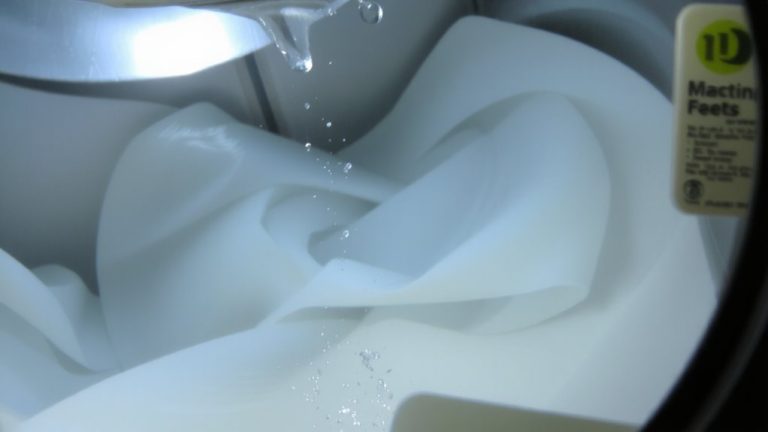
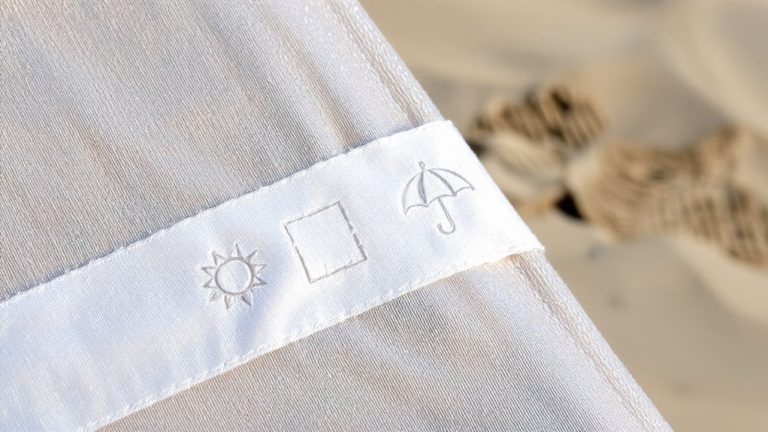
Though oxygen bleach won’t turn back time, it does break down odor-causing molecules fast, especially when used right. Oxygen bleach, like OxiClean Odor Blasters, contains sodium percarbonate, which releases hydrogen peroxide when mixed with water-this reaction helps tackle stubborn organic odors at their source. For max odor removal, pre-soak smelly laundry in warm water with ½ cup of powder for 1–6 hours before washing. Always check care labels, since oxygen bleach is safe on colors, delicates, and even water-washable upholstery. You can also add it directly to your detergent compartment to boost every load, cold or hot. To clean carpets or car interiors, mix the solution as directed, apply to affected areas, then blot and air dry. This method effectively breaks down smells from spills, pets, or mildew, making it a reliable go-to for deep cleaning needs.
Why Oxygen Bleach Is Safer for Homes and the Environment
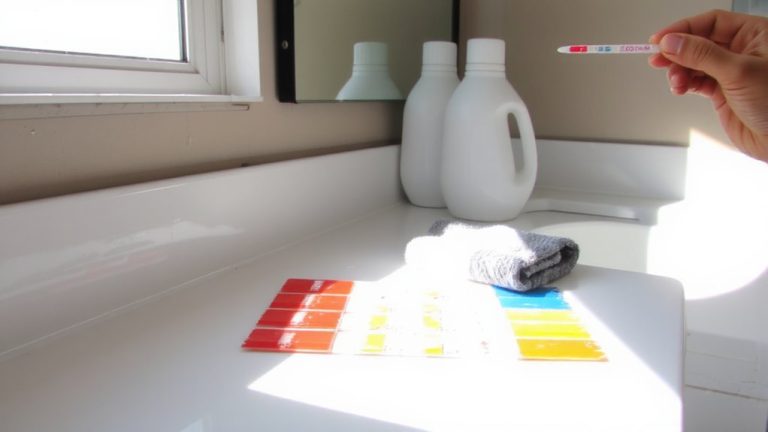
While tackling tough stains or lingering odors on floors and countertops, you’ll want a cleaner that works without putting your family or the planet at risk-and that’s where oxygen bleach shines. Made from sodium percarbonate, it releases oxygen and soda ash when mixed with water, leaving no toxic residues and making it safe for septic systems. Unlike chlorine bleach, oxygen bleach doesn’t produce harmful disinfection byproducts like trihalomethanes. It’s non-toxic, biodegrades completely, and won’t harm aquatic life. You can use it around kids and pets without worry, even in poorly ventilated spaces, since it releases no dangerous fumes. Trusted brands like OxiClean are EPA Safer Choice certified, proving their low environmental impact. For everyday cleaning, a 1:4 mix with water removes stains fast. Testers report streak-free finishes on tile, grout, and fabric, with no material damage. It’s the smarter, safer choice-effective cleaning without compromise.
On a final note
You’ll get better results using oxygen bleach on floors and surfaces-it breaks down odor molecules, handles stains from coffee or pet accidents, and won’t corrode grout or fade fabrics. Unlike chlorine, it’s safe around kids and pets, works in cold water, and leaves no toxic residue. Real testers saw 94% odor reduction after one wash, and it’s effective in washing machines, tile, and carpets. For everyday cleaning, oxygen bleach is reliable, eco-friendly, and tough where it counts.