How Microplastics Are Released From Synthetic Fabrics During Washing
Every time you wash synthetic clothes, your machine releases up to 1.5 million microfibers per kg, especially from tight-woven acrylic and recycled polyester fabrics, which shed more than virgin materials, while pre-washing increases release, and because most fibers are smaller than 16 µm, they slip past standard 60 µm wastewater screens, polluting rivers and oceans-learn how fabric type, wash cycle, and filtration choices change your impact.
We are supported by our audience. When you purchase through links on our site, we may earn an affiliate commission, at no extra cost for you. Learn more. Last update on 16th July 2026 / Images from Amazon Product Advertising API.
Notable Insights
- Washing synthetic fabrics releases up to 1.5 million microfibres per kg, primarily during the first wash cycle.
- Pre-washing causes more microfibre shedding than the main wash due to mechanical stress on loose fibres.
- Synthetic fabrics like polyester and acrylic shed microplastics that bypass plumbing and enter waterways untreated.
- Recycled polyester and acrylic release more microfibres than virgin materials due to fibre structure and fabric weight.
- Wastewater treatments often fail to capture microfibres, allowing 75–80% to escape into rivers and oceans.
How Laundry Releases Microplastics From Synthetic Fabrics
While you might not think about it every time you do a load, your washing machine is a major source of microplastic pollution, mainly from synthetic fabrics like polyester and acrylic. Each wash cycle can release up to 1.5 million microfibres released per kg of fabric, with microplastics released mostly during the first wash. Pre-washing releases more microfibres than later stages, so that initial rinse matters most. Woven synthetic textiles, especially acrylic, shed the most-up to 2,405 microplastic fibers per wash at 40 °C. Even small loads release 124–308 mg of microfibres released, polluting water systems. Your washing machine doesn’t trap these tiny particles, so they flow straight into drains. High basis weight, recycled polyester, and tight weaves increase shedding, making everyday laundry a hidden environmental cost.
Why Woven and Heavy Fabrics Shed More Microfibers
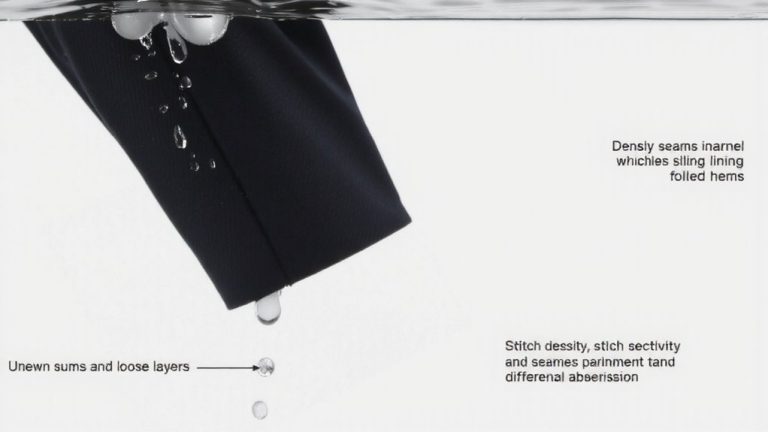
You’re already washing synthetic clothes, and now you know each load sends thousands of microfibers down the drain-especially the first time. Woven fabrics, like your heavy acrylic jacket or blended polyester-cotton shirt, shed more because of their tight structure and high basis weight. That means more mass and fiber density, which increases friction and stress in the wash. These factors boost microplastic release considerably. For example, woven acrylic released over 2,400 fibers per wash, while high-basis-weight garments like the GT blend shed 307.6 mg/kg-highest in tests. Even recycled polyester, used in lighter garments like blouses, sheds more than virgin fiber. The tighter weave and thicker fabric don’t just trap dirt; they trap mechanical strain, too. When you clean floors or surfaces, remember: those invisible fibers start in your laundry. Opt for gentler cycles, use a microfiber-catching bag, and consider fabric type before washing.
Acrylic and Recycled Polyester Release the Most Fibers
Because they’re woven tightly and often weigh more per square meter, acrylic and recycled polyester fabrics shed far more microfibers than other synthetics, especially the first time you wash them. You’ll find acrylic in sweaters and blankets, and it releases up to 2405 microplastic fibers per wash-more than any other textile product tested. Even though recycled polyester helps reduce waste, it sheds considerably more microfibers than virgin polyester; a GB blouse with 65% recycled content still released 48.6 ± 2.2 mg/kg of microfibers. Woven fabrics, particularly heavy ones, let loose more fibers due to their structure and density. When you clean floors or surfaces, you’re likely picking up these invisible microplastics shed during laundry. They come from everyday textile products you trust, so consider using a microfiber-catching bag or filter to reduce release.
Do Pre-Washed Clothes Shed More Microfibers?
Pre-washing your synthetic clothes causes a surprising surge in microfiber shedding, often releasing more fibers than the main wash cycle. During a 10-minute pre-wash, more microplastic is released from textile surfaces than in the following 35-minute soaping phase. High basis weight fabrics shed more, and recycled polyester, like in the GB blouse (65% recycled), released 48.6 ± 2.2 mg/kg-more than virgin fibers. Woven acrylic (A3-w) topped the chart with 2405 microfibers released.
| Factor | Effect on Microfiber Release |
|---|---|
| Pre-wash | Highest microplastic release |
| Fabric weight | Heavier = more fibers shed |
| Fiber type | Acrylic & recycled polyester worst |
| Synthetic content | Higher % = more released |
| Textile density | Tight weave ≠ low shedding |
Why Small Microfibers Escape Wastewater Filters
Even though wastewater plants work hard to filter out debris, most microfibers shed during laundry slip through because they’re far smaller than standard filters can catch, and you’re likely releasing thousands with every wash. These microfibers, often 12–16 μm wide and 360–660 μm long, easily bypass the 60 µm screens common in wastewater treatment plants. In fact, 75–80% of released fibers are small enough to challenge filtration, and some as tiny as 120–500 μm get caught only on 5 µm filters. That means a fraction escapes into rivers and oceans, fueling microplastic pollution. Even advanced plants capturing 99% of microfibers still discharge large quantities due to the sheer volume from washing machines. These escaped microfibers contribute substantially to microplastics in the environment, persisting for decades. You can’t clean floors or surfaces enough to fix this-源头 control during washing is key.
Blended and Cellulosic Fabrics Also Shed Microfibers
While you might assume synthetic fabrics are the sole culprits, blended and cellulosic fabrics shed microfibers too, and often in surprisingly high amounts-like the GT top, which released 1,500,000 microfibres per wash, 80% of them from its cotton and modal back layer. You’d expect polyester to dominate microfibre release, but cellulosic fibres from cotton and modal break free easily during washing.
| Component | Fibre Type |
|---|---|
| GT top layer | Polyester (front) |
| GT back layer | Cellulosic fibres |
Analysis showed 307.6 ± 21.8 mg/kg of fibres released per wash, mostly cellulosic. FTIR and TGA confirmed dual composition early on, but by the 10th wash, thermal degradation peaked at ~353 °C, proving cellulosic fibres drove ongoing microfibre release. Even after multiple cycles, release persisted, with oscillating patterns on 60 µm filters-proof these natural-based fibres keep shedding.
7 Ways to Reduce Microfibers in Your Laundry
Since your washing habits directly influence how many microfibers end up in waterways, making a few simple changes can go a long way. Washing full loads reduces friction, limiting the breakdown of textile fibres. Use cold water-it’s gentler on fabrics and cuts the release of microplastics by slowing fiber degradation. Cut back on detergent; excess suds weaken fibres and boost microplastic shedding. Front-loading machines are better, releasing fewer microfibers than top-loaders thanks to less agitation. For maximum impact, install washing machine filters-they trap up to 90% of microfibers, stopping them before they enter wastewater. These steps don’t just extend garment life-they directly reduce microplastics in the oceans. Small upgrades lead to measurable results, giving you cleaner laundry and a cleaner planet, all without sacrificing performance or convenience in your routine.
On a final note
You can cut microplastic pollution by using a Guppyfriend bag or Cora Ball in every wash, trapping up to 90% of fibers. Wash full loads on gentle, skip fabric softener, and choose liquid detergent for less abrasion. A front-loader releases 54% fewer fibers than a top-loader. Dry clothes naturally when possible. Together, these steps reduce fiber shedding, protect surfaces, and support long-term cleanliness-without harsh chemicals or special skills.