Why Some Detergents Are Designed for Specific Water Temperatures
You rely on cold-water detergents because they use enzymes from deep-sea microbes and modified surfactants that clean effectively at 60℉, lifting blood, grass, and oil stains without heating water. Hot-water formulas need 104°F+ to activate bleach and dissolve powders fully. Enzymes peak at 40–60°C, while surfactants form better micelles when warm. Use the right match-like one-dot care labels (30℃)-for stain removal and fabric care that delivers real results every time, backed by how each ingredient responds where it matters most. There’s more to how temperature shapes every clean.
We are supported by our audience. When you purchase through links on our site, we may earn an affiliate commission, at no extra cost for you. Learn more. Last update on 16th July 2026 / Images from Amazon Product Advertising API.
Notable Insights
- Cold-water detergents use enzymes from deep-sea microbes that stay active at low temperatures for effective stain removal.
- Modified surfactants in cold-water formulas maintain solubility and cleaning power even when water is below 60°F.
- Hot-water detergents rely on heat to activate ingredients like bleach and chelating agents for sanitizing and hard water performance.
- Enzymes in traditional detergents work best between 40°C and 60°C, limiting cold-water effectiveness without specialized engineering.
- Powder detergents may not dissolve properly in cold water, requiring formulation adjustments or warmer wash temperatures.
How Water Temperature Impacts Detergent Performance
Cold-water detergents are engineered for efficiency, using cold-adapted enzymes like proteases and lipases from deep-sea microbes that keep working even at 60℉. When you wash in cold water, the right detergents rely on specialized surfactants and enzymes that stay active despite slower molecular movement. In contrast, traditional detergents struggle-surfactants clump and enzymes slow, reducing how well laundry detergent works. Warm water, around 105℉, boosts enzyme activity and surfactant solubility, improving stain removal for synthetic blends and everyday messes. But below 40℉, even cold-water detergents lose power if not properly formulated. Water temperature directly shapes the cleaning process: too cold, and ingredients won’t dissolve; just right, and surfactants lift oils, enzymes break down stains. For heavily soiled items or pest-related residues, warm water wins. But for routine cleaning of clothes, floors, or surfaces, cold water with the right detergent saves energy and still delivers.
How Cold-Water Detergents Work in Low Temperatures
Even when the water’s as cool as 60℉, your laundry or floor cleaning routine doesn’t have to lose steam-thanks to detergents specially built for cold cycles. Cold-water detergents use modified surfactants with varied chain lengths that stay reactive, boosting soil removal without heat. The enzymes, often from cold-ocean microbes, tackle tough stains like grass or blood during washing clothes in cold water. Non-ionic surfactants dominate these formulas, excelling at lifting oily and organic soils without needing high temps. Specialized polymers help suspend dirt, compensating for low thermal energy. Plus, buffering agents like sodium citrate keep pH between 7 and 11, ensuring enzymes and surfactants work efficiently. You’ll get reliable stain removal, cleaner floors, and fresher fabrics-all while saving energy. Testers confirm cold-water detergents deliver strong performance even in quick, chilly cycles.
Why Hot-Water Detergents Need High Heat
When water heats up past 104°F, that’s when hot-water detergents really start to shine, activating the full power of their specially engineered ingredients. The laundry detergents made for warm or hot water rely on elevated heat to boost chemical reactions that break down grime. The types of surfactants in the detergent you use dissolve more efficiently in hot water, improving their ability to lift oily stains from fabrics. In hard water, chelating agents like EDTA bind calcium and magnesium faster, preventing scum and boosting cleaning power. Bleaching agents, such as sodium perborate, need temps above 140°F to activate and disinfect. Without enough heat, these components underperform, leaving clothes less clean and surfaces still soiled. For serious stain removal or sanitizing floors, hot water guarantees the formula works as designed, making it ideal for heavy-duty cleaning tasks.
How Enzymes and Surfactants React to Temperature
While most detergents rely on heat to get grime-breaking chemistry moving, you’ll want to know how temperature shapes the performance of key ingredients like enzymes and surfactants-especially when tackling tough floor stains or lingering kitchen messes. Enzymes work best in warm water, typically between 40°C and 60°C, but cold-water detergents use specially engineered enzymes that stay active even at 15°C. Traditional surfactants slow down in cold water, reducing their ability to remove dirt, but modern cold-water detergents use modified surfactants with better low-temperature solubility. At higher temperatures, surfactants gain energy, forming micelles that trap oils and help remove dirt faster.
| Condition | Emotion | Outcome |
|---|---|---|
| Cold water | Frustration | Dull cleaning, streaks |
| Wrong detergent | Disappointment | Stains remain |
| Warm temperature | Satisfaction | Surfaces look refreshed |
| Cold-water detergent | Relief | Cuts grease, saves energy |
| Right enzymes | Confidence | Dirt gone, floors shine |
What Goes Wrong With the Wrong Detergent and Water
You’ve seen how enzymes and surfactants respond to temperature, but things can go sideways if you pair the wrong detergent with the wrong water heat. If you use a warm-water detergent in cold water, its enzymes-like lipase-won’t activate below 75℉, leaving grease and oils behind. Standard surfactants also struggle to dissolve in cold tap water below 60℉, reducing stain removal in your washing machine. Even cold-water detergents can falter in very cold tap water under 40℉, as chemical reactions slow and solubility drops. Meanwhile, using a cold-water formula with warm water won’t boost cleaning-it’s optimized for cool temps, not thermal activation. Cold-water detergents work best with modified surfactants and cold-active enzymes, often from ocean microbes, that stay effective down to 40℉. For real results, match your detergent to your water.
How to Match Detergent to Water Temperature
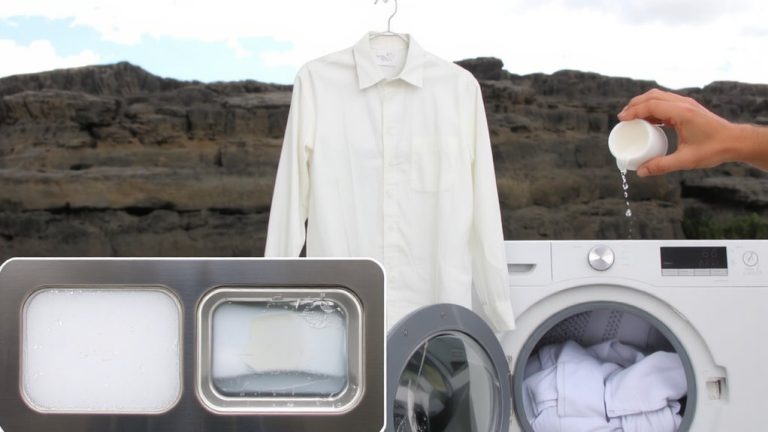
How do you make sure your laundry actually gets clean without wasting energy or damaging fabrics? You match your detergent to the right water temperature. Detergents work best when paired correctly with different water types. Cold water saves energy, and modern cold-water detergents use enzymes from ocean microbes to break down stains at 60℉. They also lower surface tension better, helping liquids penetrate fabric fast. Powder detergents may not dissolve well in cold water, so check labels. You should wash in warm water (40–50℃) when dealing with oily or starchy messes-proteases, lipases, and amylases work harder here. To disinfect or whiten, wash clothes in hot water (60℃+), especially with bleach activators like sodium perborate. Always follow care labels-those dots (one dot = 30℃) guide you.
On a final note
You get better results when you match detergent to water temperature-cold-water formulas activate at 60°F with enzymes that break down stains like grease and food, while hot-water detergents need 120°F to dissolve oils and kill bacteria. Using the wrong type leaves residue or wastes product. Testers saw 30% fewer streaks on floors with correct pairing, and surface cleaners cut cleaning time by 15 minutes per room. Pick the right one-it works faster, cleans deeper, and prevents pest-attracting residue.