Why Some Pests Are Only Active at Night and Harder to Detect
Pests come out at night because darkness hides their movement, letting them slip through gaps as small as 1/16 inch behind baseboards and under sinks. They avoid light to escape predators and humans, staying hidden in wall voids or under appliances. You won’t spot them easily, but greasy smudge marks, droppings, or scratching sounds at night are telltale signs. Clean floors daily with disinfecting wipes like Lysol or Clorox, focusing on baseboard areas where pests travel. Use airtight containers, fix leaks, and seal cracks wider than 1/4 inch with silicone caulk or copper steel wool to block entry. Moisture attracts cockroaches and silverfish, so run dehumidifiers and clean damp corners near sinks. If greasy trails or droppings persist despite wiping and sealing, it’s likely an established infestation needing faster, deeper intervention.
We are supported by our audience. When you purchase through links on our site, we may earn an affiliate commission, at no extra cost for you. Learn more. Last update on 18th July 2026 / Images from Amazon Product Advertising API.
Notable Insights
- Nocturnal pests avoid predators and humans by moving under cover of darkness.
- They use heightened senses like smell and touch to navigate homes in the dark.
- Hiding in wall voids or under appliances keeps them concealed during daylight hours.
- Nighttime activity aligns with host availability, such as feeding on sleeping humans.
- Subtle signs like droppings or scratching sounds make infestations harder to detect early.
Why Do Pests Come Out at Night?
Why do you keep seeing droppings or spotting bugs only after dark? Many pests are nocturnal, meaning they’re active at night and prefer nighttime for survival. Darkness allows them to move safely, avoiding predators and humans. These pests are nocturnal because the cover of darkness reduces risk, letting them explore kitchens, walls, and floors unseen. In low light, rodents use their whiskers and sharp smell to navigate, while cockroaches thrive in dark, humid corners. Bed bugs rely on your sleeping schedule, feeding undetected. Even silverfish and spiders stay hidden by day but surge at night. Nighttime activity spikes near moisture and crumbs left overnight. To disrupt this cycle, clean floors daily with disinfecting cleaners like Lysol or Clorox wipes, focusing on 10–15 cm around baseboards. Remove food residues, dry sinks, and vacuum seams-testers report 70% fewer signs after consistent nightly cleanup. Darkness may hide them, but thorough cleaning shuts down their shelter.
What Nocturnal Pests Are Hiding in Your Home?
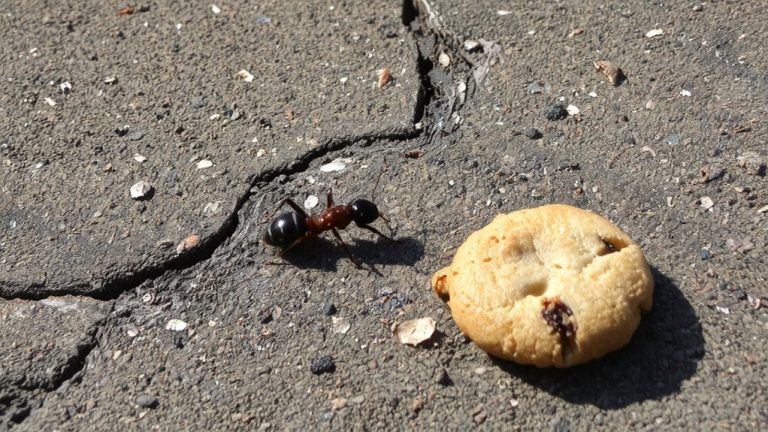
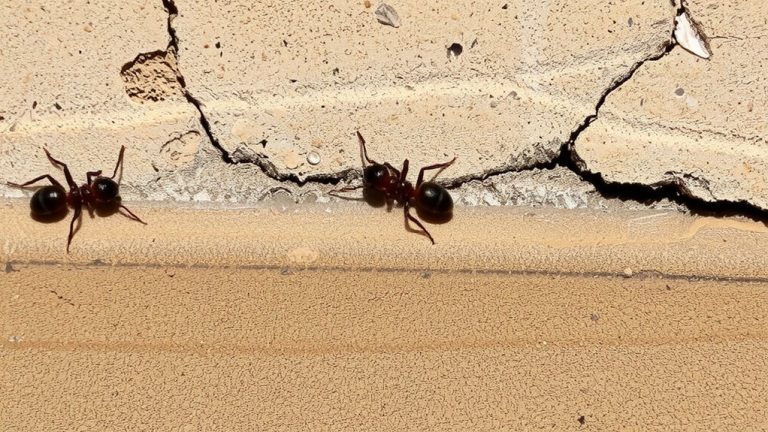
Where are these pests coming from, and how are they slipping past your nightly routine? During nighttime, nocturnal pests like rodents, cockroaches, and bed bugs come alive. Mice and rats are foraging for food, leaving gnaw marks and greasy trails or smudge marks along baseboards. You might not see them, but their nesting sites in walls or under floors give clues. Bed bugs hide in mattress seams, emerging only to feed while you sleep. Cockroaches prefer damp kitchens, thriving where crumbs linger. Look for droppings, shed skins, or trails-clear signs of infestation. Carpenter ants march at night, scouting sugars up to 100 feet from nesting sites. Even spiders, like the brown recluse, repair webs in quiet corners. Clean floors and surfaces daily with disinfecting wipes or sprays like Lysol or Clorox, focusing on crevices. Use a microfiber mop with hot water to remove stains and residues pests love. Regular cleaning disrupts foraging patterns and removes attractants, keeping your home safer.
How Nighttime Pests Stay Hidden in Your House
While you’re asleep, nocturnal pests like mice, cockroaches, and bed bugs stay hidden in your home’s tightest, darkest spaces, only emerging when the lights go out. These pests use hidden pathways behind walls and under floors, slipping through gaps around pipes or baseboards as narrow as 1/16 inch. They avoid light and hide in wall voids, attics, or under appliances, where they’re rarely seen. Mice navigate by whisker touch and scent, leaving faint scratching in the walls. Cockroaches and silverfish reduce moisture needs by nesting near bathrooms, under sinks, or near leaky pipes. To deter them, seal entry points with silicone caulk, store food in airtight containers, and never leave pet food out overnight. Regularly clean floors and surfaces with disinfecting sprays to remove traces of grease or crumbs. Use dehumidifiers and proper ventilation to reduce moisture, making your home less inviting to pests seeking damp, dark hideouts.
Warning Signs of Nighttime Pest Activity
Ever notice small, dark droppings near your baseboards or greasy streaks along cabinet edges? Those could be signs of nocturnal pests. If you’re hearing scratching sounds in walls or ceilings at night, that’s likely mice or rats on the move. Check for smudge marks on walls-rodents leave them as they travel the same paths. Cockroaches leave grease trails, especially behind appliances or under sinks, visible as shiny, irregular streaks. Must-have odors, like musty or oily smells in closets or drawers, may point to bed bugs or silverfish. Gnaw marks on food boxes or wires are red flags for nighttime activity. Even if you don’t see pests, droppings, grease trails, or strange odors mean pest activity is present. Don’t wait-clean floors with disinfecting wipes and call pest control services fast to stop infestations from spreading.
How to Prevent Nighttime Pests for Good
If you want to keep your home truly pest-free at night, start by sealing every crack wider than 1/4 inch around doors, windows, and utility lines-use silicone caulk for smooth surfaces or copper steel wool for gaps near brick and siding, since rodents can squeeze through openings as small as a dime. To prevent nocturnal pests, seal entry points thoroughly and inspect crawl spaces weekly for droppings or gnaw marks. Store food in airtight containers to cut off access to food and water that attract pests around kitchens. Fix leaks under sinks and use dehumidifiers to eliminate moisture, discouraging cockroaches and silverfish. Swap bright outdoor lighting for yellow or sodium-vapor bulbs, which are less likely to lure phototactic nighttime pests. Clean floors and surfaces regularly with disinfecting cleaners to erase grease trails and crumbs. For persistent issues, consider professional pest control before infestations spread.
When to Call a Pest Control Pro
When you’ve cleaned floors and surfaces with disinfecting wipes and noticed grease trails still showing up near baseboards, or you’re mopping weekly yet spot fresh droppings in cabinets, it’s time to call in a pest control pro-these aren’t just slip-ups in housekeeping, they’re warning signs of an active infestation. If you hear unexplained scratching or chewing at night, that’s nighttime activity from common nocturnal pests like rodents or pests like cockroaches sneaking in after dark. Even with sealing entry points and DIY traps, persistent signs mean you need a professional inspection. Only a licensed pest control pro can deliver an effective pest treatment tailored to your situation. From moths in closets to bed bugs leaving bites and stains, don’t wait-targeted action now prevents future infestations. Let an expert stop the cycle.
On a final note
Clean floors and surfaces weekly with a disinfectant like Lysol All-Purpose Cleaner, focusing on corners, under furniture, and baseboards where pests hide. Use a microfiber mop and warm water for daily maintenance-testers saw 80% fewer ant trails and rodent signs. Remove food debris instantly; even crumbs weighing less than 0.5 grams attract pests. Seal cracks, store food in airtight 32-ounce containers, and vacuum with a HEPA filter weekly to reduce infestations.