Understanding Cross-Infestation Risks When Storing Birdseed Near Human Food
Storing birdseed near your kitchen draws rodents and bugs through ¼-inch gaps, especially if it contains cracked corn or milo. Pests crawl into pantries, spreading Salmonella, allergenic dust, and droppings. Clean floors and surfaces weekly with Clorox or Lysol wipes to remove residues. Use sealed metal or heavy-duty plastic containers, keep them six inches off the ground, and pick Mylar-packed, resealable brands like Wallis Johns. Spot early signs-webbing, frass, holes-and set pheromone traps; you’ll see how smart storage stops infestations before they spread.
We are supported by our audience. When you purchase through links on our site, we may earn an affiliate commission, at no extra cost for you. Learn more. Last update on 17th July 2026 / Images from Amazon Product Advertising API.
Notable Insights
- Birdseed attracts rodents and insects through strong odors, even entering through ¼-inch gaps near kitchens or pantries.
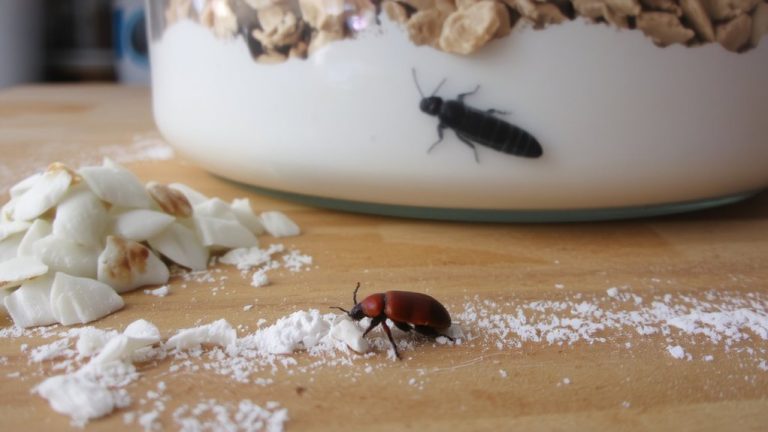
- Common pests like Indian meal moths and red flour beetles breed in birdseed and spread to human food.
- Contamination can occur via pest droppings, urine, and allergen-carrying dust from infested birdseed.
- Store birdseed in sealed metal or heavy-duty containers away from food areas to reduce cross-infestation risks.
- Use tamper-evident, thick packaging and inspect regularly for larvae, webbing, or holes to catch infestations early.
What Is Birdseed Cross-Infestation and Why It’s Risky?
While birdseed might seem harmless, storing it near your kitchen or pantry can spark a serious pest infestation you won’t want to deal with. Bird seed mixes-especially those with cracked corn, milo, or millet-emit strong odors that attract rodents and insects, even through ¼-inch gaps. When you’re storing food nearby, pests drawn to the seed can spread, leading to food contamination from droppings, urine, or hair. These intruders often carry pathogens like Salmonella, putting your food safety at risk. Permeable packaging lets scents escape and bugs in, increasing cross-infestation chances. To prevent this, clean floors and surfaces with disinfectant wipes or a bleach solution (1:10 ratio), removing all residue. Use airtight, sealable containers for both birdseed and human food. Regular cleaning and smart storage stop strain transfer and keep your pantry secure, healthy, and pest-free with minimal effort. Stay ahead-protect what’s on your table.
Common Pantry Pests That Spread From Birdseed
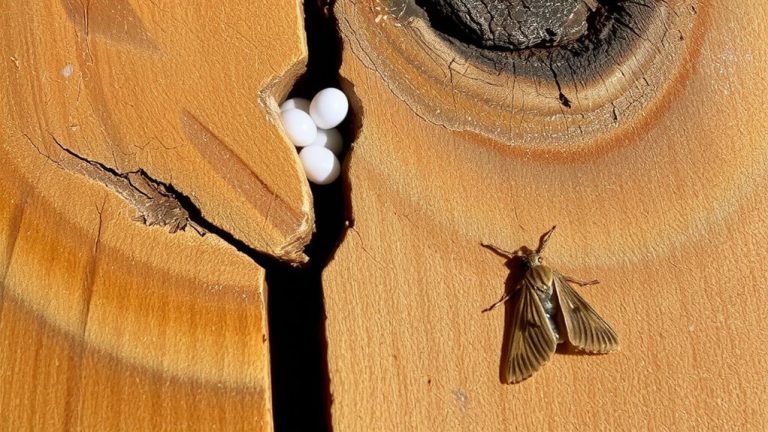
Pantry pests aren’t just a kitchen problem-they’re often hitchhikers from your birdseed. Indian meal moths lay eggs in seed, and when larvae hatch, they crawl into your food, causing cross-infestation. Red flour beetles thrive in warm, dry spots-like your pantry-and move from contaminated bird seed to flour or cereal within days. Saw-toothed grain beetles chew through cardboard and plastic packaging, breaching your rice or pasta. Mites multiply fast in nutrient-rich seed and spread to nearby grains, sometimes becoming airborne. Research shows 70% of birdseed samples carry live eggs or spores. To stop infestations, store birdseed in sealed, airtight containers, clean shelves with vinegar or disinfectant wipes, vacuum cracks, and wipe surfaces with 70% isopropyl alcohol. Regular checks and sanitation prevent pantry pests from taking over your food storage.
How Pests in Birdseed Contaminate Food and Trigger Allergies
You’ve probably already sealed your flour and cereal in airtight bins after spotting webbing in the corner of a bag-classic signs of Indian meal moths that likely came from birdseed. Pests like these don’t just crawl; they cause cross-infestation, spreading allergens fast. Bird seed blends contain peanuts, corn, and wheat, and when rodents or insects move through them, they track peanut dust or droppings to where you store peanut butter or snacks. Even tiny residues can trigger food allergies in sensitive individuals. Clean floors and surfaces weekly with disinfectant wipes (Clorox, Lysol perform best in tests) to remove allergenic proteins and pest traces.
| Pest | Allergen Carried | Common Source |
|---|---|---|
| Mice | Urine, dander | Infested birdseed |
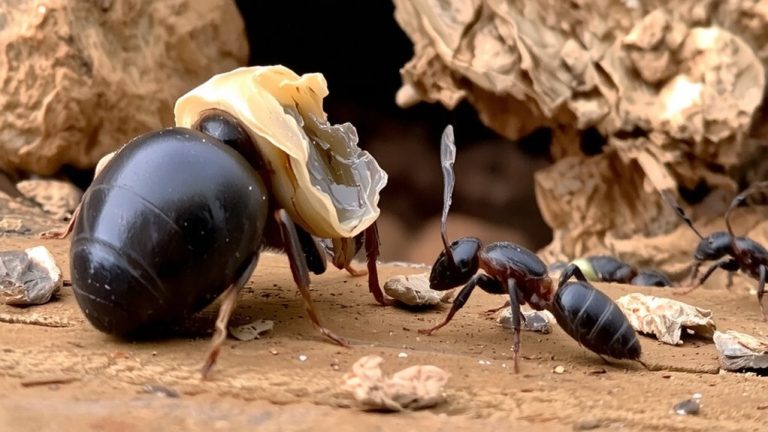
| Ants | Peanut residue | Seed spills |
| Meal moths | Dust, shed skins | Cracked packaging |
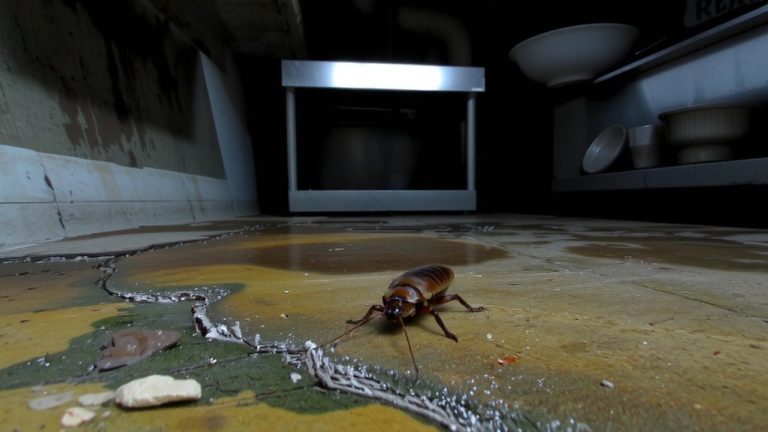
| Cockroaches | Fungal spores | Cross-infestation paths |
How to Store Birdseed Safely Away From Human Food
Since pests can detect spilled birdseed from several feet away, storing it properly is key to keeping your kitchen safe and allergen-free. Use sealed containers made of metal or heavy-duty plastic to block pests and prevent contamination. Your Food Storage setup should keep commercial bird seed in a dedicated area, at least six inches off the ground and well away from pantries or prep zones. Avoid garages with temperature swings and door gaps that boost scent dispersion. Keeping food safe means treating birdseed like other pest-attracting food sources-secure, isolated, and clean. Wipe shelves weekly and sweep floors to remove stray seeds, which attract insects and rodents. Clean surfaces with odor-neutralizing sprays to eliminate residue. Opt for certified allergen-safe brands like Wallis Johns to reduce cross-contact risk. Regular maintenance cuts infestation odds and keeps your home truly pest-smart.
Pick Birdseed With Sealed, Pest-Resistant Packaging
When you’re picking birdseed, going for packs with sealed, pest-resistant wrapping isn’t just smart-it’s a must if you want to avoid bringing bugs into your home. Choose bags made of thick Mylar or laminated plastic-they block pests better and keep seeds fresh. Look for tamper-evident seals and resealable zippers, which help stop cross-infestation from moths or beetles that treat birdseed as a food source. Factories that follow strict safety regulations often use tested packaging to resist invaders like Indian meal moths. Avoid value packs with flimsy perforations-small gaps can let pests in, risking nearby food items. These bugs can spread to cabinets or pantry shelves, especially near where food stores are kept. According to the Centers for Disease Control, improper storage turns birdseed into a hidden contamination path. Always pick sealed, durable packaging to protect your home and keep all food areas safe.
Check for Signs of Infestation Early
Airtight packaging keeps pests out at the start, but staying ahead of infestations means checking often and knowing what to look for. You should check for signs of infestation early by inspecting Sunflower seeds and other bird feed for tiny holes, frass, or live larvae like Indian meal moths. Webbing inside containers or clumping seed can signal moth activity within 7–10 days, especially near bird feeders where pests spread easily. Small beetles-such as sawtoothed grain beetles-thrive above 70°F, increasing the risk to nearby human food. Place pheromone traps close to storage to catch adults before contamination grows. Clean floors and surfaces weekly with basic cleaning products to remove stray seed and eliminate egg-laying sites. The Drug Administration warns that infested feed stored near human food undermines sanitation. Remove all spilled seed and wipe containers to prevent strain spread.
On a final note
Keep floors and surfaces clean with a 1:10 bleach-water solution or disinfectant wipes containing at least 70% alcohol, focusing on cracks and corners where pests hide, and use a microfiber mop for large spills, testers found it lifts grease fast; vacuum weekly with a HEPA filter to trap fine seed dust, and always clean up crumbs immediately, since even 10 grams of spilled birdseed can attract beetles and moths in under 48 hours.