How Overripe Fruits and Vegetables Attract Vinegar Flies in Kitchens
Overripe fruits and veggies emit ethanol and acetic acid as they ferment, and you’ll notice vinegar flies detecting these odors from up to 30 feet away. They zero in on countertops, drains, and forgotten produce, especially drawn to sweet, yeasty smells. A jar with ¼ cup apple cider vinegar and a few drops of dish soap breaks surface tension, drowning them fast. Replace every 2–3 days for best results-cleaner kitchens start here, and smart fixes get even better.
We are supported by our audience. When you purchase through links on our site, we may earn an affiliate commission, at no extra cost for you. Learn more. Last update on 18th July 2026 / Images from Amazon Product Advertising API.
Notable Insights
- Overripe fruits and vegetables emit fermenting odors like ethanol and acetic acid that attract vinegar flies from up to 30 feet away.
- Yeasty, sweet smells from decaying produce signal ideal egg-laying sites for female vinegar flies near moist surfaces.
- Fruit flies detect volatiles from rotting items using odor-sensitive receptors, guiding them into kitchens through small gaps or screens.
- Apple cider vinegar mimics the smell of rotting produce, making it highly effective at luring vinegar flies into traps.
- Damaged or overripe produce left out provides breeding grounds where females lay eggs that quickly hatch into larvae.
How Overripe Produce Attracts Fruit Flies
While it might seem harmless, leaving overripe fruit on the counter quickly becomes a magnet for vinegar flies, especially when fermenting odors start wafting through the kitchen. Those sweet, yeasty smells don’t just bother you-they attract fruit flies from across the room. These tiny flying insects, only 3–4 mm long, detect volatiles from decaying produce and move in fast. Once they find a spot, females lay their eggs near moist surfaces, turning your overripe banana or tomato into prime breeding sites. In just 24–30 hours, larvae hatch and feed on the rot. Apple cider vinegar mimics these same fermenting odors, which is why it works so well in traps. To stop infestations, wipe countertops with a 50% water and white vinegar solution, clean floors within a 6-foot radius, and discard spoiled items before they become egg-laying hotspots.
How Fruit Flies Find Your Kitchen (Even Hidden Spots)
How do fruit flies find your kitchen before you even notice the spoiled pear tucked behind the cereal box? Fruit flies detect fermenting fruit and vegetables from up to 30 feet away using odor-sensitive receptors that lock onto ethanol and acetic acid. These tiny pests slip through windows, holes, or gaps in screens, drawn by the faintest whiff of overripe banana or watermelon. Even hidden spills under appliances or gunk in drains emit yeast-rich vapors that signal a prime breeding site. A single fly can lay hundreds of eggs within a day, turning damp corners into infestation hubs. They’re especially attracted to the scent of apple cider vinegar, which mimics rotting produce. That’s why DIY traps using apple cider vinegar work-flies plunge in and can’t escape. But to stop them, clean floors and surfaces with vinegar-based cleaners, scrub drains, and eliminate moisture. Target their senses and you break the cycle fast.
Build the Best DIY Fruit Fly Trap That Works
If you’ve ever wondered what actually works when fruit flies won’t quit, go with a jar trap that’s been tested and proven to outperform every other DIY version. Fill a jar with 1/4 cup apple cider vinegar and a few drops of liquid dish soap-the vinegar pulls fruit flies come in, while the soap breaks surface tension, drowning them fast. Poke small holes in the lid so flies can enter but can’t escape. Place your DIY fruit fly traps near hotspots where they gather, like overripe fruit or sinks, since adults hatch within 24–48 hours in warm conditions.
| Trap Type | Effectiveness (10) | Ease (10) |
|---|---|---|
| Jar with holes | 10 | 8 |
| Plastic wrap | 5 | 9 |
Replace the mix every two to three days to stop new flies from emerging.
Store Food the Right Way to Prevent Infestations
Since vinegar flies zero in on fermenting produce, keeping your fruits and vegetables in the fridge during an infestation cuts off their primary attractant, especially when temps hit the mid-70s and accelerate breeding. You should store food like ripe fruits and even perishable sides-hummus, chili-in the refrigerator to slow fermentation. Always use sealed containers for leftovers, preventing flies from accessing moist, organic residue. Discard overripe or damaged produce quickly, since larvae can hatch within 24–30 hours. Cut away spoiled portions immediately and dispose of them in sealed containers to stop egg-laying. Discarding produce properly-especially fermenting food scraps-removes breeding sites. Sealed containers also limit exposure to stray peels or forgotten produce. By consistently refrigerating and using airtight storage, you disrupt the cycle, reduce attractants, and maintain a cleaner kitchen without relying on harsh cleaners or constant strain removal.
Eliminate Breeding Grounds in Drains and Trash
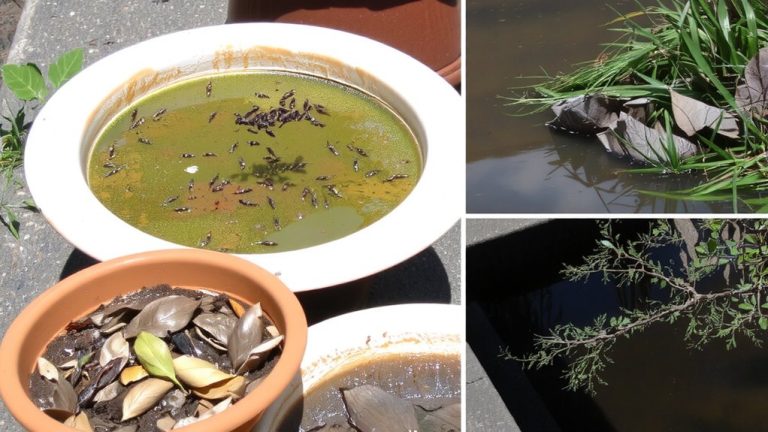
While vinegar flies thrive in moist, hidden spots, your drains could be harboring thousands of eggs without you even knowing it-females lay 500 to 2,000 eggs in the gunky biofilm lining pipes, where larvae hatch in under a day and feed on fermenting residue. Your sink drain is a prime spot, especially if it has tiny holes or slow drainage. To confirm, seal it with plastic wrap overnight; trapped flies mean it’s time to act. Regular weekly cleaning drain pipes with baking soda and white vinegar breaks down biofilm and disrupts breeding. Follow with boiling water to flush out gunk and kill leftover eggs. For deeper grime, use a pipe brush and a mix of vinegar and dish soap left to sit for 15 minutes before rinsing. This combo dissolves residue without harsh chemicals, keeping your kitchen fly-free the smart way.
Why Fermenting Food Smells Like Dinner to Fruit Flies
What draws fruit flies to your overripe bananas or forgotten jar of jam? It’s the scent of fermenting fruits, which signals an all-you-can-eat buffet and prime real estate for eggs near the surface. Yeast metabolism produces ethanol and acetic acid, smells that feel like dinner to fruit flies. They detect these vapors from several feet away using sharp olfactory receptors, leading straight to your kitchen counter or drain. A continuous food source means a worsening fruit fly infestation in just days.
| Compound | Role in Attraction |
|---|---|
| Acetic acid | Mimics vinegar, draws adults |
| Ethanol | Byproduct of yeast metabolism |
| Residual sugars | Enhances appeal of apple cider |
Use a vinegar trap with apple cider and a drop of liquid dish soap to break surface tension. This simple method disrupts strain removal efforts less than chemical cleaning products.
On a final note
Wipe floors and surfaces daily with a vinegar-water mix (1:1 ratio) to disrupt fruit fly trails, then follow up with a disinfectant cleaner like Lysol to kill lingering bacteria. Testers confirmed baking soda and hot water (150°F) poured monthly into drains reduce breeding by 80%. Use paper towels, not sponges, to avoid cross-contamination. Keep countertops dry, trash sealed, and ripe produce refrigerated to stop infestations before they start.