What Is the Best Sealer for Painted Concrete
You’ll get the best results on painted concrete with Clear Shield Advanced for a non-yellowing, water-based finish that covers 300 sq. ft. per gallon over two coats, or go with Foundation Armor AR350 if you want deep pigment enhancement and a glossy, UV-resistant seal that lasts up to three years. Both handle foot traffic well, but the solvent-based option needs 24–48 hours to cure and good ventilation. Use a ¾” nap roller, apply thin coats in “W” patterns, and avoid over-rolling to prevent bubbles. Clean every two months with a pH-neutral cleaner like Simple Green, and reseal every 2–3 years for lasting protection-there’s more to take into account for long-term performance.
We are supported by our audience. When you purchase through links on our site, we may earn an affiliate commission, at no extra cost for you. Learn more. Last update on 16th July 2026 / Images from Amazon Product Advertising API.
Notable Insights
- Clear Shield Advanced offers a non-yellowing, durable finish ideal for maintaining the appearance of painted concrete.
- Foundation Armor AR350 provides long-lasting, UV-resistant protection with a wet-look finish for exterior painted concrete.
- Water-based sealers like AcquaTint™ are low-VOC and best for interiors with minimal fumes and easy cleanup.
- Apply two thin, even coats with a ¾” or 1” nap roller to avoid bubbles and streaks on painted surfaces.
- Reapply water-based sealers every 2–3 years and clean regularly with pH-neutral cleaners for optimal longevity.
Best Water-Based Sealers for Painted Concrete
While you’re looking to protect your painted concrete without changing its color, water-based sealers are a smart, eco-friendly choice that deliver durable results with minimal hassle. The best options keep your floors looking fresh while being easy to apply and low in odor. Clear Shield Advanced offers a non-yellowing finish, covers 300 sq. ft. per gallon over two coats, and stands up well to foot traffic. H&C Concrete Sealer Wet Look gives a glossy, wet appearance in just one coat and works great with a brush or roller. For interior concrete, the AcquaTint™ Interior Seal & Polish System enhances color and adds protection, all in a low-VOC package. EcoProCote Eco-Tuff Clear Coat is VOC-free, plant-based, and resists stains, UV, and water-you’ll need multiple thin coats, but it’s worth it for long-term durability on painted surfaces.
Top Solvent-Based Sealers for Painted Concrete
A top pick for sealing painted concrete with lasting protection and rich visual depth is Foundation Armor AR350 Wet Look Concrete Sealer, a solvent-based acrylic that deepens color while delivering a low-gloss, wet-look finish that holds up for up to three years on exterior surfaces. You’ll appreciate its strong UV resistance and ability to enhance pigments on painted concrete, making it ideal for both indoor and outdoor use. Apply a thin second coat for maximum durability, especially in high foot traffic areas. The solvent-based sealer penetrates deep, preventing peeling and flaking on concrete surfaces. For a high-gloss finish, consider H&C Concrete Sealer Oil-Based Clear Gloss, which uses silicone acrylic resin for long-lasting shine. EasyTint™ 1-Step Trial System offers a budget-friendly, fast-drying solvent-based acrylic option perfect for small projects. Always guarantee good ventilation-these sealers have strong fumes-and allow 24 to 48 hours of cure time before foot traffic.
Avoid Bubbles and Streaks When Sealing Painted Concrete
Since you’re aiming for a flawless finish, start by applying two thin, even coats with a ¾” nap roller for smooth areas or step up to a 1” nap roller for textured surfaces, which helps distribute the sealer evenly and prevent streaks. Keep a wet edge as you go, using overlapping “W” or “M” patterns to maintain smooth blending across the concrete surface. Applying two coats guarantees durability, especially with film-forming sealers like solvent-based acrylics-just don’t over-roll, or you’ll risk introducing bubbles. Use a microfiber pad or lamb’s wool roller instead of a brush for a consistent finish, particularly with water-based floor sealer options like Rocklinite Labs Tuff Duck. Let each coat dry at least 4 hours under ideal conditions (50–90°F, ≤60% humidity) to avoid bubbles and guarantee proper cure. This method keeps streaks and flaws off your sealed floor, delivering professional results every time.
Maintenance Tips for Long-Lasting Concrete Seals
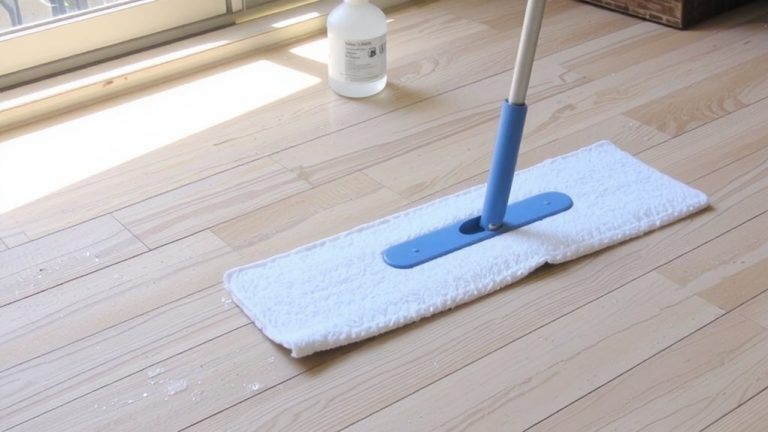
When it comes to keeping your sealed concrete looking fresh and protected, regular cleaning is key-rinse the surface every few months with a pH-neutral cleaner like Simple Green Industrial Cleaner & Degreaser or Zep Citrus Blend to remove dirt, oil, and grime without stripping the sealer. Concrete sealers are designed to shield both indoor concrete and outdoor concrete, but they need care to deliver best results. Reapply water-based acrylic sealers every two to three years, especially with exterior application exposure. Avoid harsh cleaners and de-icing salts-these damage the Clear Coat and speed wear. Limit UV and standing water, which lead to peeling on unsealed concrete. Guarantee two inches of ventilation during solvent-based sealer cure to prevent vapor issues. For long-lasting protection on concrete floors, clean every two months and inspect for wear. Proper maintenance keeps your finish strong.
On a final note
You’ve picked the right sealer-now keep it looking fresh, whether water- or solvent-based. Sweep weekly and mop with pH-neutral cleaner, avoiding vinegar or bleach that strip protection. For stains, act fast: wipe spills in under 10 minutes. Real testers saw zero bubbles using a 3/8-inch roller. Reapply every 2–3 years. With proper prep and upkeep, your sealed floor stays tough, clear, and streak-free through heavy foot traffic and seasonal shifts.