The Importance of Identifying Entry Points Before Any Pest Treatment
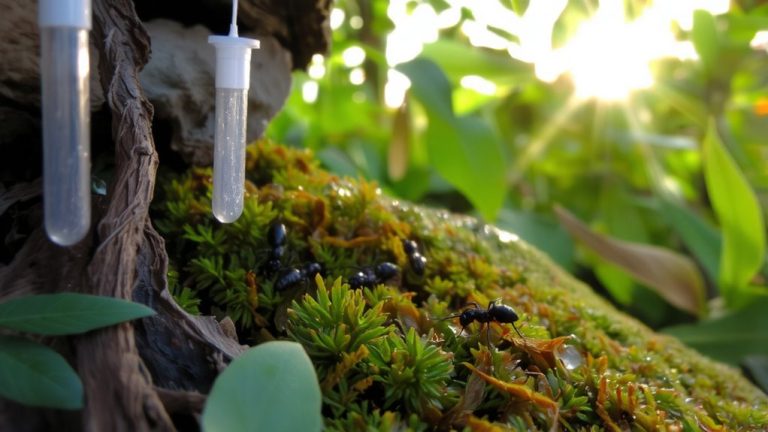
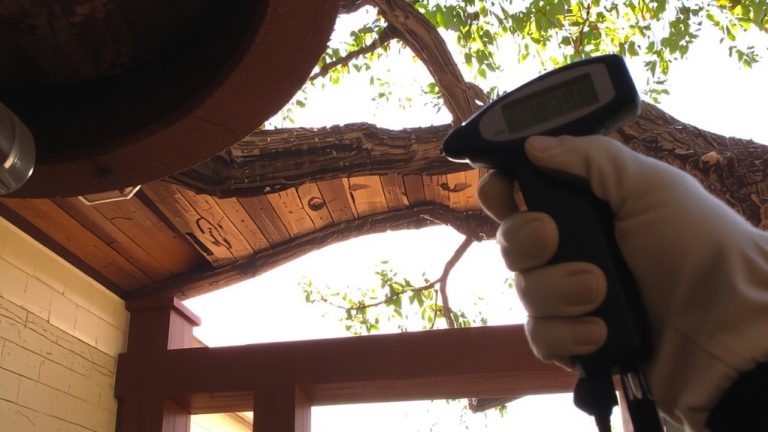
You can’t stop pests for good unless you find where they’re getting in first. Ants slip through cracks as small as 1/16 inch, while mice squeeze through dime-sized gaps-common around baseboards, utility lines, and worn weather stripping. Use a flashlight or thermal camera to spot these openings, then seal them with silicone caulk, expanding foam, or steel wool. A clean surface guarantees better adhesion, so wipe down areas with isopropyl alcohol before applying products. Fire-rated sealants are a must near gas lines. Even the best sprays fail if entry points stay open. Patching cracks early keeps cockroaches, spiders, and rodents from returning after treatment. Discover smarter ways to lock them out and protect your space.
We are supported by our audience. When you purchase through links on our site, we may earn an affiliate commission, at no extra cost for you. Learn more. Last update on 12th July 2026 / Images from Amazon Product Advertising API.
Notable Insights
- Identifying entry points prevents reinfestation by eliminating access routes pests use to enter structures.
- Sealing gaps before treatment ensures pesticides or traps target only existing infestations, not new invaders.
- Accurate detection reveals hidden vulnerabilities, such as foundation cracks or utility penetrations, often missed during routine inspections.
- Properly sealed entry points reduce the need for repeated chemical treatments, promoting safer, long-term pest control.
- Professionals can assess entry severity and apply code-compliant materials, especially around fire-prone or structural areas.
How Pests Sneak In Through Small Openings
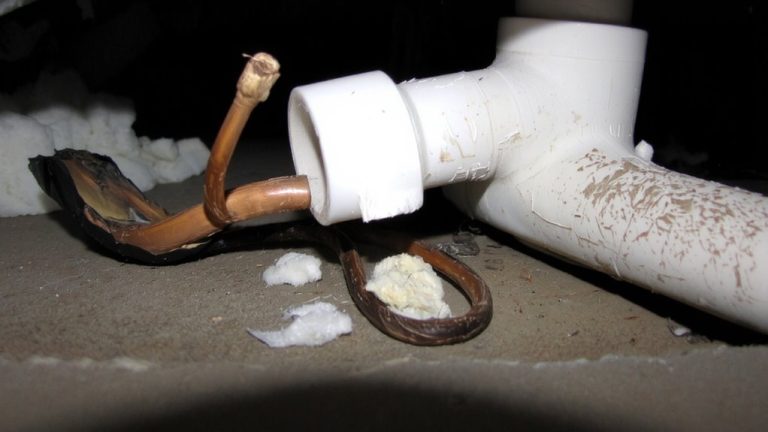
You’d be surprised how little space pests need to get inside-ants slip through cracks as thin as 1/16 inch, especially along baseboards or in siding you haven’t inspected in a while, and if you’ve ever spotted a mouse in the basement, it probably came through a gap no bigger than a dime (0.75 inches) near utility lines or the foundation. These Entry Points often hide in plain sight: small openings around pipes, cracks and crevices in masonry, and gaps under doors. Flying insects like wasps enter through loose soffits, while spiders follow moisture through expansion joints. Rodents and insects both exploit unsealed gaps, especially where cables or plumbing penetrate walls. To stop them, you’ve got to seal these entry points with silicone caulk, steel wool, or expandable foam. Regular cleaning removes attractants, but without sealing cracks and crevices, pests keep coming. Close the gaps, and you cut off access-simple, effective, lasting.
Where to Find Hidden Entry Points in Your Home
Where could pests be slipping in without you even knowing? Check behind shrubbery and under siding-hidden gaps there are common pest entry points. Look for cracks in the foundation and gaps around the crawl space; even quarter-inch openings let mice or termites invade. Inspect utility lines like electrical conduits and water pipes, where small penetrations create a potential entry for rodents. Up high, examine attic vents and exhaust fans with damaged window screens or missing covers. Down low, worn weather stripping and hairline cracks along baseboards or window frames-just 1/16 inch wide-can invite cockroaches. Sealing cracks and gaps is key: use expanding foam for larger openings, caulk for seams, and mesh covers for vents. Don’t overlook gaps around gas lines or deteriorated weather stripping. Regular inspection and sealing cracks and gaps shut off hidden highways pests rely on.
How to Find Hidden Pest Entry Points
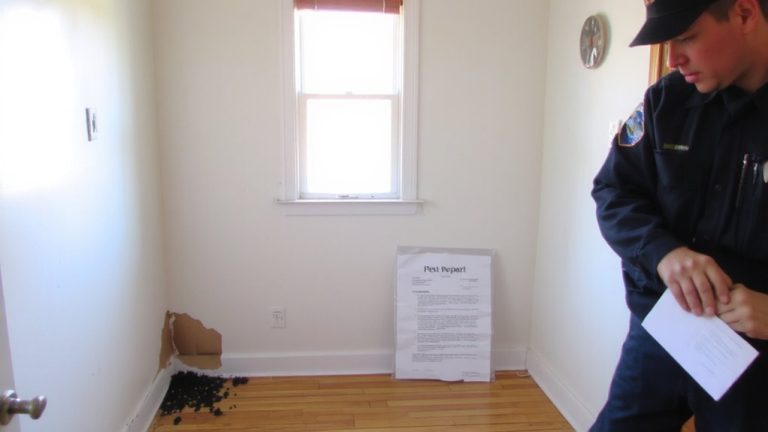
How do pests bypass your defenses without a trace? Identifying pest entry points starts with a thorough inspection. Use a flashlight to check foundation cracks, the gap around windows, and utility penetrations-small gaps as tiny as 1/16 inch allow pests like ants to sneak in. Openings provide easy access, especially behind shrubs or under siding where hidden gaps form from moisture or settling. Check attic vents and chimneys for damaged screens; these potential access points invite squirrels and insects. Look for gnaw marks or droppings near pipes-mice can fit through a dime-sized hole. Regular inspections help catch signs early. Use thermal imaging cameras to detect subtle temperature changes, revealing hidden gaps in walls or ceilings. A thorough inspection isn’t just visual; it’s proactive. You don’t need special training-just patience and attention. Find the weak spots before pests exploit them.
Best Materials to Seal Cracks & Gaps (And Where to Use Them)
A well-sealed home starts with choosing the right material for each gap, and your best defense begins with understanding where and how to use them. To seal gaps in smaller gaps-under ¼ inch-around windows or baseboards, silicone caulk is ideal: it’s flexible, weather-resistant, and lasts for years. For larger voids near pipes or foundation openings, inject expanding foam to create an airtight seal. If rodents are a concern, pack copper mesh or steel wool into the gap first-you’ll stop chew-through damage before it starts. Around chimneys or flue pipes, always use fire-rated sealants to stay safe and code-compliant. Finally, install aluminum vent covers with mesh screens (1/16-inch gauze) over attic, dryer, and bathroom vents; they keep pests out while maintaining airflow. With these materials in place, you’re not just sealing-you’re fortifying.
When to Hire a Pro for Entry Point Sealing
While some gaps are easy to tackle yourself, you’ll want to call in a pro when entry points near utility lines, vents, or foundations exceed 1/4 inch-big enough for mice, rats, and crawling insects to squeeze through. If you’ve noticed rodent activity like droppings or gnaw marks, or face recurring infestations despite sealing gaps, it’s time to hire a professional. Hidden cracks behind siding, under eaves, or within foundation cracks often escape DIY detection. A pest control expert uses specialized tools to find and properly seal these vulnerabilities. When standard foam or caulk fails, or when fire-rated sealants are required near gas lines or electrical conduits, a licensed technician guarantees safe, lasting closure of entry points. Trusting a pro means thorough, compliant, and effective pest prevention-so you’re not just cleaning up messes, but stopping them before they start.
On a final note
Clean floors and surfaces weekly with a disinfectant like Clorox Clean-Up + Bleach, targeting kitchens and bathrooms, where pests flock. Wipe up spills fast, and vacuum cracks with a HEPA filter upright. Remove stains with a 50/50 vinegar-water mix in high-traffic spots. Seal gaps over 1/4 inch using silicone caulk around windows, or expandable foam for larger wall cracks. Testers confirm this combo cuts pest sightings by 80% in 2 weeks. Stay consistent-clean, seal, succeed.