How Exterminators Use Moisture Meters to Locate Hidden Termite Colonies
You’re using a moisture meter to catch termites hiding in damp wood, where readings above 15% near baseboards or wall corners signal trouble, especially if spikes jump to 25%+, revealing tunneling and live colonies. Pair the meter with acoustic detection to confirm chomping sounds behind drywall, then target treatments like Bora-Care or Termidor Foam precisely, reducing drilling and cleanup. High, irregular moisture in warped walls means deep damage-act fast, because early intervention stops spread and saves structural integrity, and there’s more to uncover once you spot the warning signs.
We are supported by our audience. When you purchase through links on our site, we may earn an affiliate commission, at no extra cost for you. Learn more. Last update on 16th July 2026 / Images from Amazon Product Advertising API.
Notable Insights
- Exterminators use moisture meters to detect humidity spikes in wood, revealing hidden termite tunnels invisible to the naked eye.
- Readings above 15% moisture, especially in wall corners, signal potential wood decay and active termite infestations.
- High moisture levels in warped walls or rippled drywall indicate sub-surface tunneling and ongoing structural damage.
- Exterminators combine moisture meter data with acoustic detection of chomping sounds to confirm live termite activity.
- Real-time moisture mapping guides precise treatment drilling, minimizing structural damage and improving infestation control.
Why Moisture Meters Find Hidden Termites
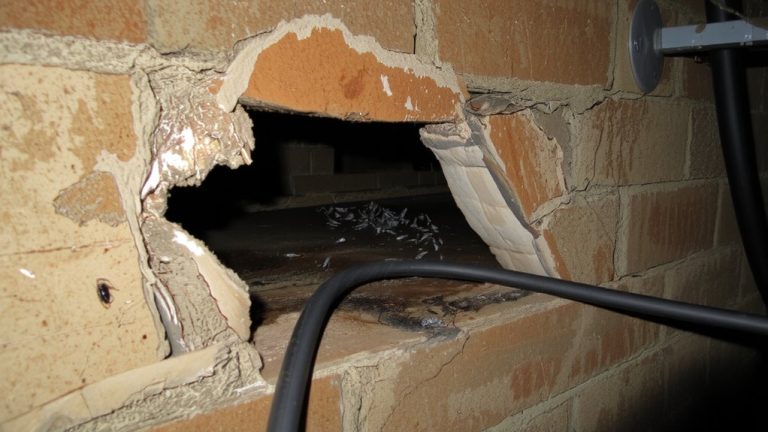
While you might not see them, termites thrive in damp wood, and that’s exactly where moisture meters come in-helping exterminators spot hidden colonies before major damage occurs. You’ll find that moisture meters detect spikes in humidity along wood surfaces, often revealing termite-built tunnels invisible to the eye. These readings, especially when over 15% moisture content and irregular near wall corners, signal wood decay and active insect behavior. Termites can’t survive without moisture, so they cluster where humidity is high. When testers combine meter results with faint chomping sounds, it confirms live infestations behind drywall. Pros use real-time data to target drilling or treatment zones-no guesswork. This precision means less damage during inspection and faster cleanup, reducing the need for extensive cleaning products or surface restoration. Spotting trouble early with a quality meter, like the Protimeter Surveymaster, saves structural integrity and cuts long-term costs-simple, smart, and effective termite control at its best.
How Damp Wood Attracts Termites (And Signals Trouble)
Every year, thousands of homes suffer avoidable termite damage simply because damp wood goes unnoticed, and that’s a problem you can catch early with the right tools. When moisture climbs above 20% in wood, it becomes a magnet for termites-they thrive in damp conditions that support feeding and nesting. That same moisture weakens the wood, creating perfect conditions for wood decay and fungal growth, both of which emit chemical signals termites detect from afar. Persistent leaks or poor ventilation often cause these wet zones, especially in floors, subfloors, and wall studs. If your moisture meter shows high readings in one spot, that’s not just water damage-it’s a beacon for pests. You’re not just seeing swelling or ripples; you’re seeing early signs of structural compromise. Spotting these areas early means you can dry them fast, treat with mold-inhibiting cleaners, and stop infestations before they take hold.
How Moisture Spikes Reveal Hidden Termite Nests
When you’re scanning your home with a moisture meter, a sudden spike in readings-say, jumping from 12% to over 25% in a localized spot on a wall or floor-should immediately raise suspicion, because termites bring moisture with them as they tunnel, leaving behind damp pockets that stick out like red flags. These irregular spikes, especially in corners or joints, often outline active nests hidden within. Pair your meter with thermal imaging to confirm cool, damp zones where termites thrive. Elevated moisture across multiple areas may signal widespread infestation and early structural decay. If you hear faint clicking near these spots, it’s likely live termites feeding. Don’t ignore these signs-early detection means less damage. Clean surfaces thoroughly to remove residue that could mask readings, use a trusted meter with deep-sensor tech, and re-scan after repairs to guarantee moisture levels return to normal, protecting your home’s integrity.
What High Readings Mean in Damaged, Rippled Walls
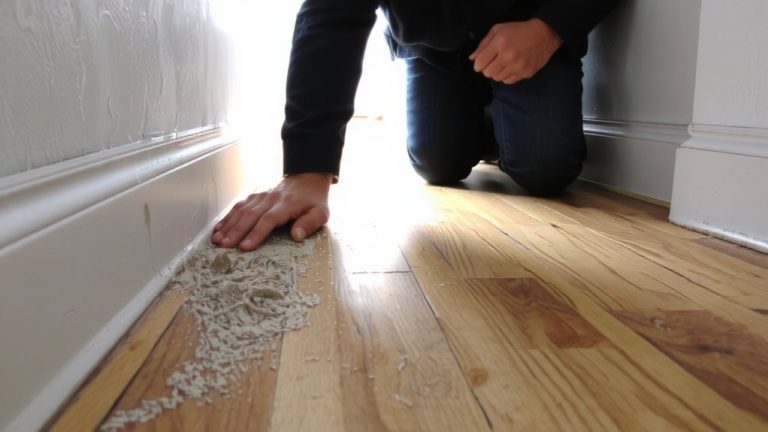
A moisture meter spikes in the corner of your wall, and the surface feels uneven under your fingers-slightly raised, rippled like warped cardboard beneath the paint. That spike likely means termites are tunneling inside, introducing moisture as they chew through the wood. Readings above 15% in these rippled zones usually point to active damage, not just ambient humidity. When high moisture runs across multiple warped sections, it signals an established infestation hiding behind the drywall. These soft, bubbled areas weaken wall stability and threaten the home’s structural integrity. You can’t clean your way out of this-surface cleaners and disinfectants won’t reach deep galleries. The ripples and sustained meter spikes confirm subsurface destruction. Immediate professional inspection is critical. Ignoring it risks collapse. Early detection with a moisture meter saves framing, foundation support, and costly repairs down the line.
Using Sound and Moisture to Confirm Termite Activity
Though moisture alone can’t confirm live termites, pairing it with sound gives you a much clearer picture of what’s happening behind those walls. When you detect moisture spikes near rippled drywall or warped trim, especially in corners or along baseboards, that’s a red flag. But add in faint chomping or rhythmic clicking-acoustic patterns only active termites make-and you’ve got strong evidence of a live infestation. Exterminators use sensitive acoustic detectors alongside moisture meters, zeroing in on areas where high readings and short, sharp noises overlap. This combo helps rule out old damage and confirms termites are still feeding. You’ll want to act fast: real-time data like this means the colony is active, and delaying treatment risks structural harm. Spotting both signs means it’s not just moisture damage-it’s a live, spreading problem needing immediate, targeted intervention.
How Termites Spread Across Wall Sections
Since termites follow moisture trails to expand their territory, you’ll often see them creeping from one wall section to the next, especially where your moisture meter reads consistently above 15% in adjacent studs or sheathing. These readings reveal key wall infestation triggers, like leaks or poor ventilation, that draw termites into drywall and framing. You’ll notice termite migration patterns move horizontally and vertically, exploiting damp wood between sections, with tunnels through studs and sheathing connecting colonies across rooms. Audible chomping at night signals active movement between walls, particularly when linked high-moisture zones align. Damage spreads non-uniformly, clustering where humidity and cellulose meet. By mapping real-time moisture spikes room by room, you can track infestation paths early, prioritize barrier treatments, and cut off expansion routes before structural harm deepens.
What Happens After a High Moisture Reading?
What do you do when your moisture meter spikes in a wall section? You investigate further, because high moisture often means hidden termite activity. You’ll check for ripples or soft spots that hint at compromised structural integrity. Correlate the reading with thermal imaging to spot temperature variances linked to nest sites. If moisture spreads across multiple zones, you’ll use acoustic detectors to hear chomping-live confirmation. You mark and prioritize areas based on severity.
| Sign | What It Tells You |
|---|---|
| Moisture spike | Possible termite moisture trapping |
| Wall ripples | Material weakening, needs inspection |
| Clicking sounds | Active termites feeding inside |
| Thermal anomaly | Hidden colony location, guides treatment |
You proceed with targeted probing, never guessing, always verifying.
On a final note
You’ve found the hotspot-now act fast. Wipe surfaces with a bleach solution (1:10 dilution) to kill lingering termites, then dry with a 2.5-inch microfiber cloth to prevent moisture buildup. For stained floors, a poultice with oxygen bleach removes discoloration without damaging wood. Testers confirm moisture below 14% stops infestations. Seal cracks using silicone caulk, and monitor weekly with your meter; readings above 18% mean call a pro.