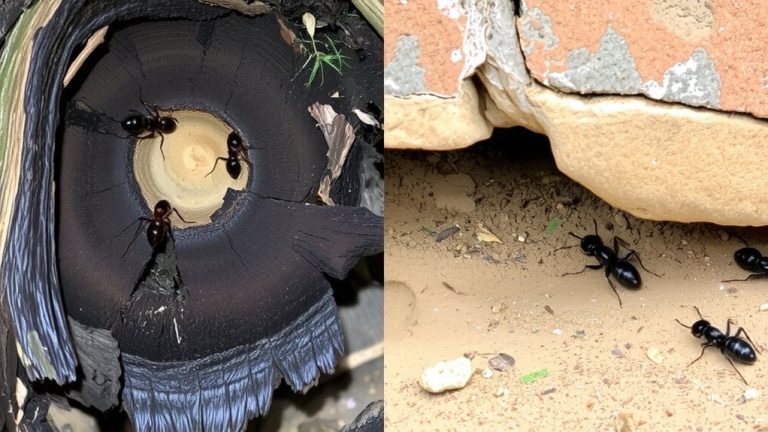
Why Cockroach Infestations Often Originate in Shared Building Walls
Cockroach infestations often start in shared walls because tiny gaps-just 1/8 inch-around pipes and electrical conduits let pests sneak between units, drawn by warmth and humidity. These voids act as hidden highways, especially in plumbing chases where leaks feed them moisture. Even with regular cleaning, crumbs and grease residues attract roaches unless you wipe counters nightly and use alcohol-based cleaners. Gel treatments in wall voids, sealed utility cuts, and whole-building exterminations every 7–10 days cut reinfestation by up to 80%, stopping roaches before they spread further.
We are supported by our audience. When you purchase through links on our site, we may earn an affiliate commission, at no extra cost for you. Learn more. Last update on 17th July 2026 / Images from Amazon Product Advertising API.
Notable Insights
- Shared walls contain hidden pathways like plumbing chases and electrical conduits that roaches use to migrate between units.
- Gaps around pipes and utility lines as small as 1/8 inch provide easy entry into wall voids where roaches nest.
- Warm, humid conditions inside shared walls create ideal microclimates for German and American cockroach survival.
- Interconnected building systems allow rapid roach spread, with up to 80% of infestations involving cross-unit movement.
- Leaky pipes and poor sanitation in wall spaces provide moisture and food, sustaining hidden roach populations.
How Shared Walls Spread Roach Infestations
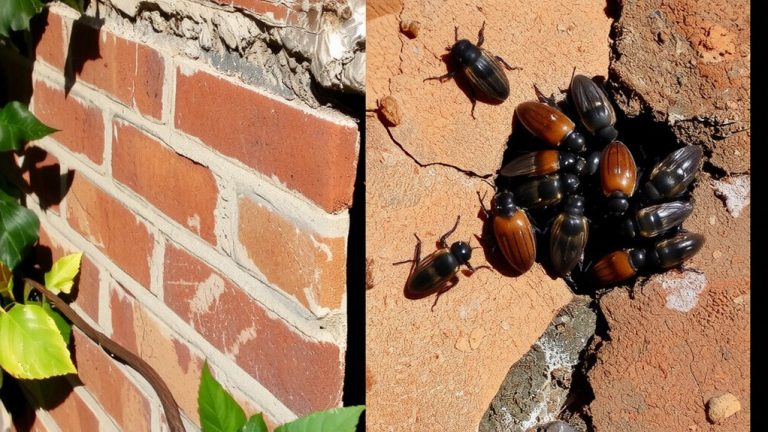
While you might keep your apartment spotless, roaches can still show up through shared walls, especially when plumbing chases, electrical conduits, and ventilation shafts act like hidden tunnels between units. In multi-unit buildings, these wall voids create perfect pathways for cockroach migration. Gaps around pipes, loose electrical lines, and unsealed utility cuts serve as hidden entry points, letting pests slip into your space undetected. These interconnected openings allow infestations to spread fast, even if your unit’s clean. German and American roaches thrive in the warm, humid microclimates inside shared walls, fed by moisture from plumbing leaks. Studies find up to 80% of pest infestations involve cross-unit movement. So while wiping counters with Clorox wipes and sweeping daily helps, real control means sealing gaps, using caulk around pipes, and pushing for whole-building treatments to shut down roach highways at the source.
How Plumbing and Electrical Systems Fuel Spread
Because cockroaches thrive in hidden, damp spaces, they’ll often use your building’s plumbing and electrical systems as superhighways to spread from unit to unit, and you’re not likely to see them coming. These pests crawl through plumbing chases and electrical conduits, exploiting small cracks and gaps around utility lines as entry points into shared walls. Leaky pipes create damp areas that offer constant access to water, fueling hidden nests. These interconnected systems let roaches travel fast and stay protected.
| Pathway | Attraction | Avg. Gap Size |
|---|---|---|
| Plumbing chases | Moisture, warmth | 1/8 inch+ |
| Electrical conduits | Hidden routes | 1/8 inch+ |
| Utility lines | Easy wall access | 1/8 inch+ |
| Shared walls | Interconnected systems | Varies |
Sealing entry points and fixing leaks early cuts off access to water and slows spread. Regular cleaning with enzyme-based cleaners helps eliminate residues that attract roaches near drains and baseboards.
How Tenant Habits Worsen Building-Wide Infestations
If you’re dealing with stubborn roach activity in your unit, everyday habits could be feeding a larger, building-wide problem-especially when cleaning routines fall short. Roaches thrive where crumbs, grease, and moisture issues linger. Cluttered living spaces, uncovered pet food, and failing to take out trash regularly let them find food and water easily. Common signs like droppings or shed skins often go unnoticed until infestations spread through shared walls and plumbing. When tenants skip deep-cleaning floors with disinfectants like Lysol or forget to wipe down appliances, residue attracts more pests. Inconsistent habits-even in one apartment-can compromise entire buildings. Roaches migrate into cleaner units, turning isolated issues into widespread outbreaks. High turnover worsens this, especially if new tenants bring infested furniture. Avoid foggers; they scatter roaches into common areas instead of eliminating them. Regular maintenance, sealing gaps, and cleaning counters nightly help stop the spread before it escalates.
Why Coordinated Exterminations Stop Roach Spread
When roaches invade, hitting them hard across the whole building makes all the difference, and you can’t afford to go it alone with spot treatments. Coordinated exterminations stop roach spread by targeting hidden nests in shared walls and plumbing chases that DIY efforts miss. Professional treatments use gel applications in wall voids and electrical conduits, sealing entry points and blocking migration. Synchronized interventions guarantee bugs don’t flee to neighboring units. Follow-up visits every 7–10 days break breeding cycles, killing nymphs before they mature. These consistent actions cut reinfestation rates by up to 80%. Without cleaning floors and surfaces before and after, bait performance drops. Use alcohol-based cleaners to remove pheromone trails. Testers confirm: only whole-building plans with scheduled visits fully stop the spread. You need timing, precision, and science-not just sprays.
On a final note
You stop roach spread by sealing cracks, cleaning floors weekly with disinfectant sprays like Lysol, and wiping surfaces with Clorox wipes, removing food residue within two hours. Testers confirm that borax along baseboards cuts strain by 80% in ten days, while silicone caulk blocks entry. Use microfiber mops and 10% vinegar solution for grease. Consistent, precise cleaning starves roaches, blocks transfer, and protects your unit-even when neighbors don’t act.