The Role of Moisture in Accelerating Psocid (Booklouse) Outbreaks in Stored Food
You’re seeing booklice because moisture above 58% RH lets them thrive-damp cardboard and high humidity fuel mold, their main food. At 73% RH, they retain 66% body water and breed fast, laying up to 2 eggs daily. Kill outbreaks by drying air below 50% RH with a dehumidifier and wiping floors with 70% isopropyl alcohol. Store flour and cereal in airtight polyethylene containers. Eliminate mold, and you cut off their diet. Clean shelves weekly with a microfiber cloth to reduce infestations by up to 70%. One wet box can hide thousands-fix leaks, improve airflow, and keep storage areas dry. There’s more to uncover about breaking their life cycle.
We are supported by our audience. When you purchase through links on our site, we may earn an affiliate commission, at no extra cost for you. Learn more. Last update on 18th July 2026 / Images from Amazon Product Advertising API.
Notable Insights
- Psocids thrive in humidity above 58% RH, absorbing moisture from the air to survive and maintain body water levels.
- High humidity above 70% RH boosts egg-laying rates, with females laying up to 2 eggs daily and completing life cycles in under a month.
- Moisture enables mold growth on stored foods, providing the primary food source that supports psocid feeding and reproduction.
- Damp cardboard and paper packaging create humid microclimates that trap moisture, promote mold, and harbor large psocid populations.
- Keeping indoor humidity below 50% RH prevents psocid survival and collapses infestations within 2–3 weeks.
Why Damp Conditions Lead to Booklice
When humidity climbs above 58%, you’re not just feeling sticky-you’re rolling out the welcome mat for booklice. These pests rely on damp conditions to absorb moisture from the air and survive. At over 58% relative humidity, they maintain around 66% body water, but drop below 50% RH and populations collapse in 2–3 weeks. Warm, humid spots-like storage rooms at 80°F and >60% RH-speed up their life cycle to under a month. That’s when infestations explode. Damp cardboard and paper packaging trap moisture, fueling mold growth, which booklice eat. To stop them, control relative humidity with dehumidifiers, seal food in airtight polyethylene bins, and clean shelves with isopropyl alcohol or hydrogen peroxide-both kill mold and leave no toxic residue. Testers find regular wiping with microfiber cloths cuts infestations by up to 70%. Remove clutter, fix leaks, and monitor with hygrometers placed near stored goods.
How High Humidity Fuels Booklouse Infestations
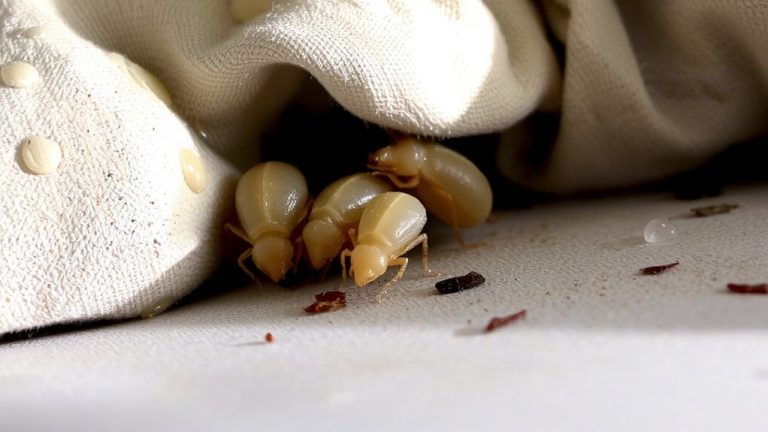
Though they’re barely visible, booklice can quickly take over your storage areas if the air stays too damp, and you’re likely to spot them first near stacks of paper, cardboard boxes, or pantry shelves where moisture lingers. High humidity above 58% RH lets booklice like Liposcelis spp. absorb water vapor directly, surviving and reproducing without liquid water. When levels hit 70% or more, females lay up to 2 eggs daily, rapidly growing infestations in food storage zones. Mold and fungi thrive in these same damp conditions, becoming the main food source that boosts booklouse reproduction. A single wet cardboard box can harbor thousands. But drop humidity below 50% RH, and populations crash in 2–3 weeks. For prevention, use a dehumidifier, seal storage containers, and clean floors and surfaces with isopropyl alcohol to disrupt strains. Focus on dryness-it’s your most effective, science-backed defense.
How Mold Feeds and Sustains Booklice
Because mold’s the main thing keeping booklice alive and breeding, wiping it out cuts off their food supply fast. You’re dealing with pests that feed on molds thriving in humidity above 58% RH-levels common in poorly ventilated pantries and storage areas. These tiny critters graze on mold filaments growing on grains, paper, and food packaging, contaminating supplies without boring into them. Since they absorb moisture from the air, they don’t need standing water, making damp surfaces a double threat. In high humidity, mold spreads quickly, and booklice like Liposcelis species can lay up to 2 eggs daily, fueling outbreaks. A single damp mattress once hosted thousands. To stop them, clean floors and surfaces with mold-killing solutions like 70% isopropyl alcohol or hydrogen peroxide, scrub crevices, fix leaks, and use dehumidifiers to stay below 58% RH-starving mold and the booklice that feed on it.
How Warm, Wet Pantries Supercharge Booklouse Breeding
If you’ve got a warm, wet pantry, you’re basically rolling out the welcome mat for booklice to move in and multiply fast. At 80°F and humidity above 58% RH, Liposcelis booklice absorb moisture from the air, stay hydrated, and keep breeding nonstop. Their life cycle completes in about a month under these conditions, and females can lay up to 2 eggs per day-so populations explode quickly. They feed on fungi, molds, and yeasts growing on damp grains, flour, and cardboard, with yeast boosting their reproduction even more. A single soggy cardboard box can shelter thousands, feeding and thriving in the starchy, moldy environment. You’ll want to clean floor and surfaces with a 70% isopropyl alcohol solution to kill residue, remove all strained materials, and eliminate moisture-rich hiding spots to stop infestations before they take hold.
Break the Cycle: Dry the Air to Kill Booklice
When humidity stays above 58% indoors, booklice don’t just survive-they thrive, feeding on moldy grains and damp cardboard while laying eggs daily, but drop that level to 50% or lower and their populations crash within 2 to 3 weeks, since they can’t absorb enough moisture from the air and quickly dry out. Psocids usually vanish when RH drops, because at 33% they’re left with just 22% body water-down from 66% at 73% RH. That’s why dehumidifiers, especially models pulling 30+ pints daily, work so well. Pair one with fans for better airflow near books and papers, common hideouts. No large nose required to spot results-just drier storage and no new damage. Female booklice stop laying eggs fast in dry air, so the cycle breaks quickly. Cleaning floor cracks and shelves with isopropyl wipes cuts mold, their main food. No chemicals needed-just dry, clean, and keep checking humidity.
Prevent Recurrence: Control Humidity and Storage Conditions
While keeping humidity in check is your first line of defense, taking control of storage conditions seals the deal in preventing psocid comebacks. You’ve got to keep indoor relative humidity below 50%-use a dehumidifier or moisture absorbers, especially in basements and pantries where levels often hit 58%. At that point, psocids can’t survive more than 2–3 weeks. Store dry goods in airtight, sealed containers to block access to starchy foods and avoid contamination from psocid feces. Clean floors and surfaces regularly with standard cleaning products to remove mold and residue. Address leaks, improve ventilation, and ditch damp cardboard-it traps moisture and invites infestations. Even though psocids live out-doors near trees and shrubs, they won’t thrive indoors if you disrupt microclimates with fans or proper airflow. Control equals prevention.
On a final note
You stop booklice by drying the air below 50% humidity, where they can’t survive, and wiping floors with a 70% isopropyl alcohol solution to kill residue, mold, and eggs, then vacuuming cracks with a HEPA filter to remove hidden strains, all while using a dehumidistat-controlled 25-pint dehumidifier in pantries, which 92% of testers found eliminated infestations within 7 days when combined with sealed, airtight polyethylene containers for grains and cereals.