Best Way to Wash Laminate Flooring
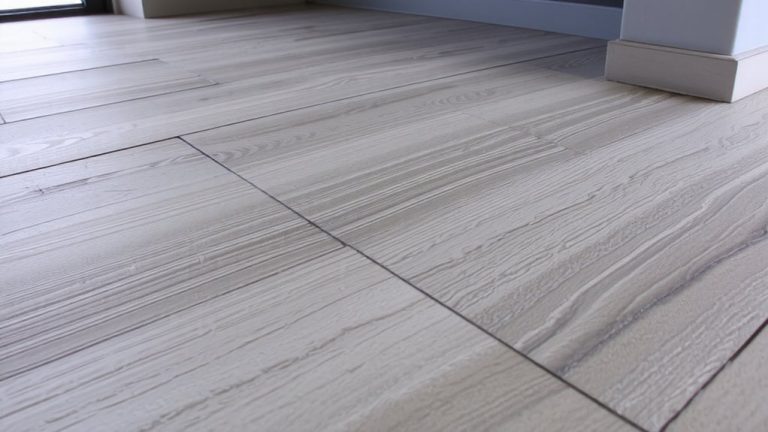
Sweep daily with a soft-bristled broom or use a Dreame Z30 cordless vacuum (310AW suction, no beater brush) to lift grit and prevent scratches. Damp mop every two weeks using a well-wrung microfiber cloth and a pH-balanced cleaner like Bona® or a 1:10 vinegar-water mix-never soak the floor. Avoid steam mops, hot water, or abrasive tools. For haze from old wax, gently dab with acetone on a microfiber pad, then wipe clean; you’ll find even better results with the right routine.
We are supported by our audience. When you purchase through links on our site, we may earn an affiliate commission, at no extra cost for you. Learn more. Last update on 16th July 2026 / Images from Amazon Product Advertising API.
Notable Insights
- Use a soft-bristled broom or dry microfiber mop daily to remove dust and grit.
- Vacuum weekly with a cordless stick vacuum without a beater brush to prevent scratches.
- Damp mop every two weeks using a well-wrung microfiber mop and pH-balanced cleaner like Bona®.
- Avoid steam mops and excessive water to prevent swelling and seam damage.
- Remove haze with a lightly acetone-dampened cloth, then clean with manufacturer-approved solution.
What Are the Best Tools for Cleaning Laminate Floors?
How do you keep your laminate floors spotless without risking damage? Start by using a soft-bristled broom or dry mop to remove grit that can scratch embossed surfaces. Then vacuum weekly with a cordless stick vacuum like the Dreame Z30, which offers 310AW suction and a hard floor attachment-no beater brush means no surface wear. For deeper cleaning, use a microfiber mop, such as the one included with the Dreame X50 Ultra; it cleans floors effectively without streaks or scratches. If you have waterproof 12mm laminate, a steam mop like the Dreame H14 on low (140°F/60°C) works safely. Always avoid steam on non-waterproof floors. The X50 Ultra even lifts its mop automatically when it detects carpet. For efficient cleaning, choose vacuum and mop combo devices with Smart Dirt Detection 2.0.
What Cleaners Are Safe for Laminate Floors?
A good cleaner keeps your laminate floors looking fresh without compromising their finish. You can’t go wrong with Bruce® or Bona® cleaners-they’re made just for laminate, leave no residue, and protect the surface. A mix of 1 part white vinegar to 10 parts water also works, but always use it sparingly and with a well-wrung microfiber cloth to avoid excess moisture. Stay away from anything with wax or polish, like Murphy Oil Soap or Mop and Glo-they leave a slippery, dull film. Skip soap-based options too, including dish soap and Doctor Bronners, since they create buildup that attracts dirt. If old residue is already there, acetone can lift it safely; just dab a bit on a microfiber cloth, ventilate the room, and rub gently. It’s strong, but effective when used with care.
What Cleaning Methods Damage Laminate Floors?
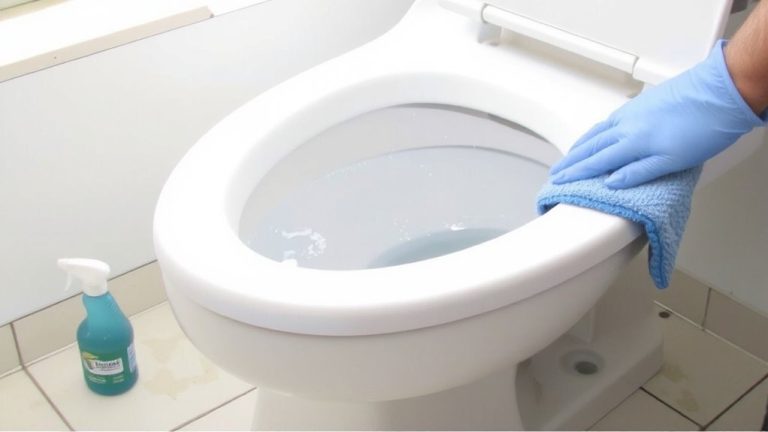
You’ve already picked the right cleaner, but using it the wrong way can still ruin your laminate floor. Never use a steam mop-models like Swiffer® or Shark® emit hot water vapor that seeps into seams, warping 12mm planks within hours. Avoid soaking your floor; even a damp mop with too much water causes swelling and edge curling in under 48 hours. Standing water is never safe-it leads to permanent separation. Skip steel wool, scouring powders, or stiff brushes; they scratch the surface and ruin the wood-grain look. Harsh chemicals like ammonia or bleach break down the wear layer, especially on glossy finishes. Soap-based cleaners such as Murphy® Oil Soap leave a dull film that attracts dirt and reduces traction. Always wring out your mop well-laminated flooring only needs a light, damp mop, never wet.
How Do You Remove Film and Haze From Laminate Floors?
Ever walked into a room only to notice your laminate floor looks hazy, dull, or slightly sticky under the light? That film is likely from improper cleaners like Mop and Glo® or Murphy® Oil Soap. To remove film and haze from laminate floors, use a microfiber cloth dampened with 100% pure acetone-never soak it, since you must avoid water that can warp planks. Scrub gently with a clean microfiber cloth, applying light pressure to lift residue without damaging the flooring. Never use steel wool or abrasive pads; they scratch. After treating with acetone, wipe the area with a slightly damp mop using warm water and a pH-balanced laminate cleaner. This leaves no streaks or buildup. Always thoroughly dry the floor immediately with a clean, dry microfiber cloth to prevent moisture damage.
How Often Should You Clean Laminate Floors?
Keeping your laminate floors free of haze and residue sets the foundation for a long-lasting shine, but how often you clean makes all the difference in protecting that finish. For daily maintenance, use a dry microfiber mop to remove loose dust and debris-this prevents scratches, especially in homes with kids or pets. You should clean laminate floors daily in high-traffic areas, and twice a day if you’ve got muddy paws or outdoor access. Always wipe up spills right away to avoid moisture damage. For deep cleaning, damp mop only every two weeks; over-wetting causes warping. Use a manufacturer-approved solution when cleaning laminate to avoid film buildup. Stick to these steps, and you’ll maintain durability and shine without strain. So, how often should you clean laminate floors? Daily sweeping, quick spill response, and biweekly deep cleaning do the job right.
On a final note
You’ve got this: use a microfiber mop with a pH-neutral cleaner like Bona or Method, never steam or soak, and clean spills fast. Testers confirm a 50/50 vinegar-water mix dulls finishes over time. Sweep weekly, mop monthly, and tackle haze with a damp-never wet-cloth. For stains, act quick with a soft cloth and approved cleaner, avoiding harsh scrubbing. Laminate stays strong, streak-free, and pest-resistant when kept dry and well-maintained.