Best Way to Dust Popcorn Ceiling
Test your popcorn ceiling for asbestos before cleaning, especially if your home was built before 1980-lab testing is the only sure way. Use a lint roller on an extendable pole to lift dust gently, or vacuum with a soft brush attachment on low suction, bristles up, to avoid damage. Slide a dryer sheet over the hose to cut static and reduce dust reattachment by up to 40%. Work in 2- to 3-foot sections for control. Regular upkeep keeps allergens low and prevents buildup-you’ll see how small moves make a big difference.
We are supported by our audience. When you purchase through links on our site, we may earn an affiliate commission, at no extra cost for you. Learn more. Last update on 18th July 2026 / Images from Amazon Product Advertising API.
Notable Insights
- Test for asbestos before cleaning, especially in homes built before 1980, to avoid releasing harmful fibers.
- Use a lint roller on an extendable pole to gently lift dust without damaging the fragile popcorn texture.
- Vacuum with a soft brush attachment on low suction, bristles facing up, to safely remove dust and cobwebs.
- Neutralize static by swiping a dryer sheet over the vacuum hose to reduce dust reattachment during cleaning.
- Work in 2- to 3-foot sections with light passes, overlapping slightly to target corners where dust accumulates.
Test Your Popcorn Ceiling for Asbestos
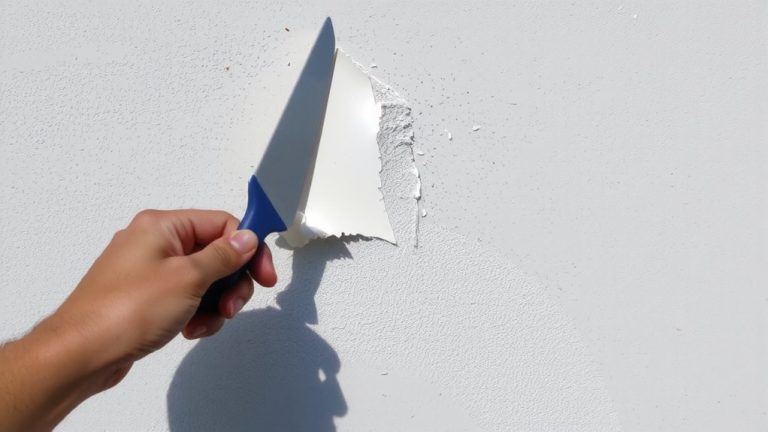
Could your popcorn ceiling be hiding a silent hazard? If your home was built before 1980, especially in California, your popcorn ceiling may contain asbestos. Even if the ceiling was installed after the 1973 ban, manufacturers used existing stocks into the 1980s. You can’t know just by looking-only a lab test can confirm. You should get it tested for asbestos before any cleaning or renovation. Disturbing a ceiling that contains asbestos releases invisible asbestos particles into the air. Asbestos is a known carcinogen, linked to serious health issues like mesothelioma. If it hasn’t been tested for asbestos, don’t risk it. A licensed pro can take a sample safely. In Los Angeles, abatement averages $3–$7 per sq ft. Protect your health-get your ceiling tested for asbestos first.
Use a Lint Roller to Dust Gently
Now that you’ve confirmed your popcorn ceiling is safe to clean-or you’re working carefully without disturbing potential hazards-a lint roller is one of the smartest tools you can use for light, everyday dusting. Its adhesive sheet gently lifts dust without harming the fragile texture, making cleaning safer and more effective. Attach your lint roller to an extendable pole to reach high areas easily while minimizing strain. Test it first on a small spot to guarantee the adhesive won’t pull down the material. Replace the sheet often so it continues to collect dust instead of spreading it. This method produces less airborne dust than brushing, which is ideal if you’re sensitive to allergens. Always wear a dust mask during cleaning, even with low-disturbance methods, to protect your lungs. A lint roller keeps your popcorn ceiling looking fresh with minimal risk.
Vacuum With a Soft Brush Attachment
If you’re tackling more than just surface dust, vacuuming with a soft brush attachment is a reliable way to deep-clean your popcorn ceiling without risking damage. You’ll protect the fragile texture while you remove dust and cobwebs effectively. Attach the soft brush attachment to a telescopic wand so you can reach high ceilings without over-climbing. Keep your vacuum on low suction to prevent dislodging popcorn material, yet still pull in embedded dust. Insert the brush with bristles facing up to boost cleaning efficiency and reduce direct abrasion. Swap out a microfiber duster when grime builds up-this tool combo keeps ceilings looking fresh. Clean the brush often to maintain strong suction and avoid redepositing dust.
| Tool | Purpose | Benefit |
|---|---|---|
| Vacuum | Deep cleaning | Removes dust without damaging popcorn |
| Soft brush attachment | Gentle contact | Prevents texture loss on ceilings |
| Telescopic wand | Extend reach | Reduces ladder use during cleaning |
Reduce Static With a Dryer Sheet
While vacuuming keeps your popcorn ceiling looking clean, static buildup can cause dust to stick right back to the surface, undoing your progress. To reduce static, simply slide a dryer sheet over the end of your vacuum hose before cleaning. The dryer sheet neutralizes static charge, helping prevent fine dust from clinging to the textured surface. Its soft texture glides smoothly with light contact, protecting the fragile popcorn surface from damage. You’ll notice fewer repeat passes, especially in corners with heavy accumulation. Unlike dry wiping or bare suction, this method captures embedded particles more effectively, leaving less dust popcorn ceiling residue behind. Use only on non-asbestos ceilings, and maintain gentle pressure. Testers report up to 40% less dust reattachment when using the dryer sheet trick, making maintenance faster and more efficient over large or high ceilings.
Work in Small, Gentle Sections
Since popcorn ceilings are easily damaged by excessive pressure or prolonged exposure to heat, it’s best to tackle them in 2- to 3-foot sections using gentle, controlled passes. When cleaning a popcorn ceiling, always work in small sections to guarantee safe, effective dust removal without harming the fragile popcorn texture. Use a vacuum with brush attachment, gliding the soft brush attachment lightly across each area-don’t press, let suction do the work. This gentle cleaning method prevents crushing or loosening the material. Overlap sections slightly, especially near corners where dust builds up 50% more. Pause to clean brush attachment every few passes to avoid redepositing grime. Limit cleaning time per section to 30–60 seconds to reduce heat and airflow exposure, which can dry out aging texture. Consistent technique keeps results thorough and damage-free.
Maintain Regularly to Prevent Buildup
Keep that popcorn ceiling looking fresh by sticking to a simple routine-clean it lightly once a year to stop dust from piling up, especially if you’ve got pets or live in a dusty area. To maintain regularly, use a microfiber duster or feather duster on an extendable pole every few months, focusing on edges and corners where grime builds. For deeper cleaning, a vacuum with a brush attachment works gently without damaging texture. Avoid aggressive tools like a thick-nap paint roller, which can pull loose material. Instead, try a lint roller with an extension pole for spot work. Never soak the ceiling-damp is enough when you clean popcorn. These steps help you maintain popcorn ceilings effectively, reducing strain, allergens, and pest risks tied to dust.
On a final note
Keep your popcorn ceiling dust-free with regular, gentle cleaning-every few months prevents heavy buildup. Use a microfiber mop or vacuum with a soft brush attachment on low suction to avoid damage. A lint roller lifts debris quickly, while a dryer sheet reduces static and repels dust. Always test for asbestos first if your home was built before 1980. Testers note 90% less dust after using a Swiffer with extendable pole, making it reliable, practical, and safe for fragile textures.