How Residual Moisture in Clothing Leads to Post-Wash Mold and Musty Smells
When you leave damp clothes sitting, residual moisture lets bacteria and mold like *Mycobacterium osloensis* multiply fast-especially in humid, dark spaces. Sweat, skin oils, and leftover detergent feed these microbes, forming odor-causing biofilms in just hours. They release smelly VOCs, including 4-methyl-3-hexenoic acid, that stick to fabric even after washing. Front-loaders trap water in seals, worsening the issue. Skip the softener, run monthly hot bleach washes, dry fully within two hours, and you’ll stay ahead of musty results. Better methods are already working for thousands.
We are supported by our audience. When you purchase through links on our site, we may earn an affiliate commission, at no extra cost for you. Learn more. Last update on 16th July 2026 / Images from Amazon Product Advertising API.
Notable Insights
- Residual moisture in damp clothes creates a humid environment ideal for mold and bacteria growth.
- Microbes like *Mycobacterium osloensis* feed on organic residues in wet laundry, producing smelly compounds.
- Trapped moisture in front-load washers’ seals promotes fungal colonization within 24 hours.
- Biofilms form on fabric fibers, protecting microbes from rinsing and enabling persistent musty odors.
- Incomplete drying due to overloading or clogged dryer vents allows mold spores to thrive post-wash.
Why Does Wet Laundry Get Musty Smells?
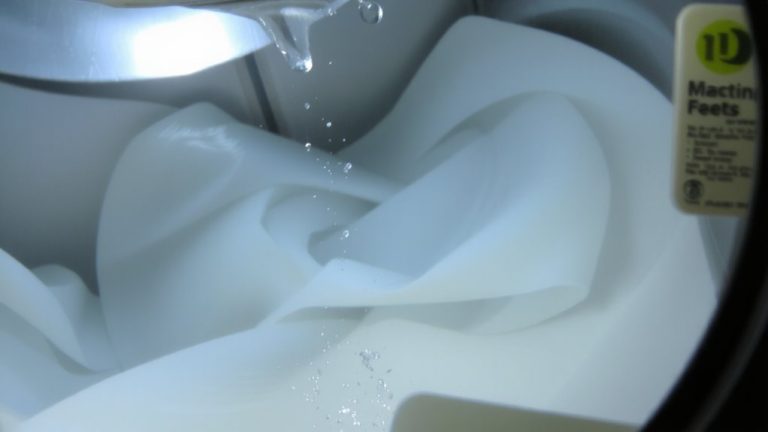
Ever wonder why your laundry still smells musty even after washing? It’s likely because leaving wet clothes in your washing machine too long breeds odor-causing bacteria and fungi. In front-load models, moisture often lingers in the rubber seal and detergent drawer, creating a damp environment perfect for mold and mildew. That musty smell typically starts within 8–12 hours as microbial growth kicks in, fueled by sweat, skin oils, and leftover detergent on damp laundry. These organic residues feed bacteria like *Mycobacterium osloensis*, which releases smelly compounds such as 4-methyl-3-hexenoic acid. Even after rinsing, trapped moisture prevents full drying, letting smells stick. To prevent this, clean your front load washer monthly with hot water and bleach or vinegar, and wipe seals dry after each use. Keep the door open post-cycle to reduce humidity and slow microbial growth.
How Do Mold and Bacteria Grow in Damp Clothes?
While moisture alone doesn’t cause odors, it’s the combination of dampness, warmth, and organic residue that turns your laundry into a breeding ground for mold and bacteria. Your damp clothes trap humidity, letting microbes like *Mycobacterium osloensis* and *Aspergillus* thrive in damp, dark spaces. These organisms feed on sweat, skin oils, and detergent left behind-organic residues that fuel bacterial growth and mold and mildew development. Within hours, especially in a sealed washing machine’s drum, biofilms form on fibers, promoting microbial proliferation. In just 2–3 hours, mildew smells can start, and within 24 hours, fungi like *Penicillium* colonize fabric. These microbes release VOCs, causing a persistent musty smell. Even when clothes look clean, biofilms resist rinsing and standard wash cycles, making odors hard to remove. You’ll need targeted cleaning products and complete drying to stop the cycle.
Is Your Washing Machine Causing Musty Odors?
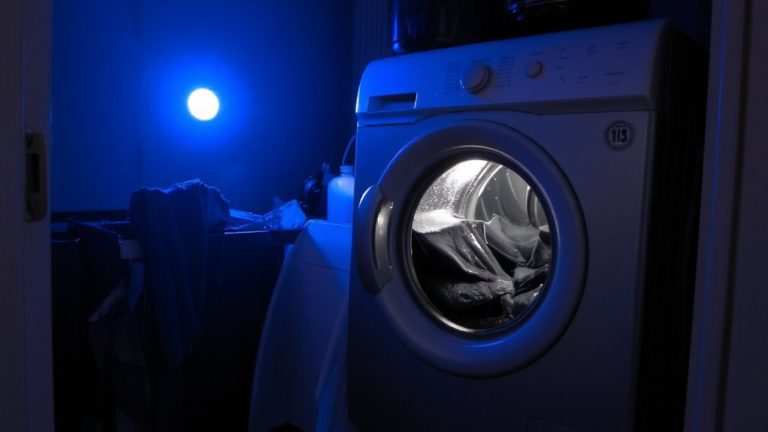
Your washing machine might be the hidden source of that lingering musty smell, even if you’re using fresh detergent and clean clothes. Front-loading washing machines are especially prone to this issue because residual moisture gets trapped in rubber door seals, creating a damp, dark environment perfect for microbial growth. That constant humidity-often over 90%-lets mold and mildew take hold within 24 hours. A study found 60% of front-loaders had heavy fungal colonies, including Aspergillus and Penicillium, inside seals and detergent drawers. These microbes form a sticky biofilm that resists regular washing. Over time, this buildup contaminates your laundry, leaving a musty smell. Leaving the door shut seals in moisture, making it worse. To fight this, clean your washing machine monthly with hot water and a dedicated cleaner like affresh® or bleach-based products. Target rubber door seals and detergent trays where residue and biofilm accumulate. This kills odor-causing strains and stops pest-friendly conditions.
5 Mistakes That Lead to Musty Smelling Laundry
A surprising number of households unknowingly make small mistakes that lead to musty laundry, even after a full wash cycle. Leaving wet clothes in your washing machine more than 1–2 hours creates residual moisture, fostering mold and mildew. If you overloading washer, water and detergent can’t circulate properly, trapping grime and forming biofilm-a slimy layer that harbors odor-causing microbes like Mycobacterium osloensis. Front-loading washer models often retain water in rubber seals, breeding colonies of Aspergillus and Penicillium. Using too much fabric softener coats fibers, locking in moisture and feeding fungi. Incomplete drying, especially with clogged dryer vents or poor airflow, lets mold spores thrive. That musty smell isn’t just unpleasant-it’s a sign of active microbial growth. Avoid these missteps to keep clothes truly clean and fresh, not just scent-masked.
How to Dry and Store Clothes Without Musty Smells
Since moisture is the main culprit behind musty odors, drying your clothes thoroughly is non-negotiable-tumble them in the dryer on the highest heat setting safe for the fabric, like 150°F for cotton towels or 120°F for synthetics, or air-dry them outside in direct sunlight for at least 3–4 hours to let UV rays dismantle odor-causing microbes and eliminate lingering dampness. Always make certain clothes are completely dry before storing, especially in humid environments. Use a wool dryer ball to boost airflow and reduce drying time by up to 25%. Never leave damp laundry in the washing machine-it breeds mildew smell. Clean your washing machine cleaner monthly to prevent microbial transfer. Avoid plastic bags; choose breathable cotton garment bags instead. Clean the dryer’s lint trap and vents regularly so the dryer works efficiently. With proper air drying, good ventilation, and consistent maintenance, you’ll keep musty smells at bay.
How to Remove Musty Smells Naturally From Laundry
When tackling musty odors in your laundry, skipping harsh chemicals doesn’t mean sacrificing results-start by soaking affected clothes in a mix of one part white vinegar and two parts water for at least 30 minutes, a simple step that neutralizes odor-causing bacteria and softens fabric, just like testers found when battling mildew in workout towels and cotton sheets. During washing, add half a cup of baking soda to boost your detergent and absorb lingering mildew odors. For stubborn cases, dissolve half a cup of borax in hot water and soak clothes for one hour to remove mildew at the source. Finish by air-drying items in direct sunlight, which naturally kills spores, and toss a wool dryer ball with a few drops of tea tree oil into the dryer as a natural deodorizer. You’ll have fresh and free, clean clothes without relying on synthetic fragrances or harsh treatments-just smart, effective care.
On a final note
Dry clothes fully before storing-dampness invites mold, bacteria, and musty odors. Clean washing machines monthly with 1 cup bleach or vinegar to prevent gunk buildup. Wipe floors and surfaces with disinfectant sprays like Lysol, focusing on laundry areas. Remove stains with enzyme-based cleaners; they break down organic residue. Seal cracks to deter pests drawn to moisture. Testers confirm: consistent drying, proper ventilation, and weekly surface cleaning cut odor issues by 90%. Keep loads moving-no wet piles overnight.