How Water Quality Impacts the Longevity of High-End Performance Fabrics
Hard water minerals like calcium and magnesium bind to polyester and elastane, weakening fibers and reducing stretch, while chlorine breaks down elastane molecule by molecule, cutting swimwear lifespan by up to 30%. DWR coatings degrade up to 60% after 15 washes in hard water, and clogged membrane pores reduce breathability by 30%. Rinse gear after exposure, wash with filtered water using Nikwax or Grangers, and air-dry flat-your fabrics will stay stronger, drier, and more resilient through every season. There’s a smarter way to protect them long-term.
We are supported by our audience. When you purchase through links on our site, we may earn an affiliate commission, at no extra cost for you. Learn more. Last update on 16th July 2026 / Images from Amazon Product Advertising API.
Notable Insights
- Hard water minerals weaken synthetic fibers by binding to polyester and elastane, reducing stretch and shortening garment lifespan.
- Chlorine degrades elastane at the molecular level, accelerating fiber breakdown and causing swimwear and activewear to lose shape faster.
- DWR coatings deteriorate when exposed to chlorine, salt, and UV, reducing water repellency and leading to premature performance decline.
- Mineral buildup from hard water clogs microporous membranes, impairing breathability in technical fabrics by up to 30%.
- Using filtered water and technical detergents preserves fabric integrity, while post-exposure rinsing prevents chemical and particulate damage.
How Hard Water Damages Performance Fabrics
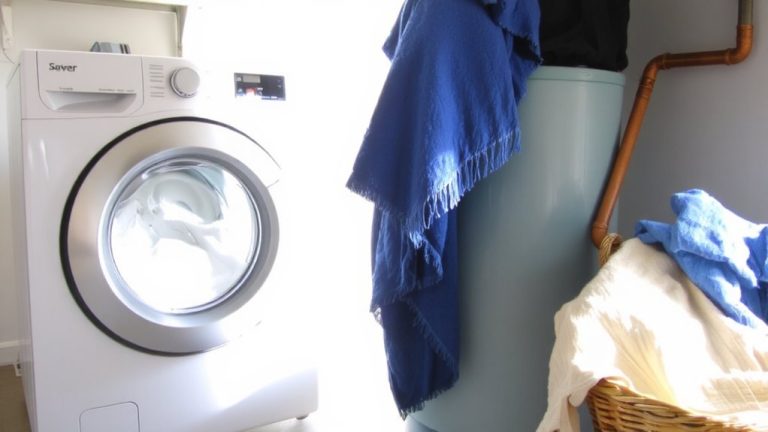
While you might not think twice about the water running through your washing machine, hard water’s high levels of dissolved calcium and magnesium can seriously compromise your performance fabrics over time. These minerals bind to synthetic fibers like polyester and elastane, weakening them and reducing stretch and shape retention. Prolonged exposure leads to mineral buildup, clogging fabric pores and impairing breathability in high-quality materials like moisture-wicking and waterproof membranes. The alkalinity hampers DWR coatings, while detergent residues abrade fibers, increasing pilling and fading. Studies show elastane-containing garments lose up to 30% of their lifespan after repeated washes in hard water. This degradation affects fabric types used in premium swimwear and outdoor gear, even those designed for chlorine resistance and UV exposure. To preserve performance, use water softeners and technical detergents formulated for sensitive synthetics, ensuring cleaning solutions support, not sabotage, your gear’s long-term durability.
How Chlorine Degrades Performance Fabric Fibers
Chlorine’s a silent killer for your swimwear’s stretch and strength, breaking down elastane fibers molecule by molecule every time you jump in. Even in well-maintained pools, chlorine causes the degradation of fibers, especially when combined with UV rays. Elastane provides the snug fit and snap-back swimwear needs, but under chemical stress, low-elasticity blends with less than 8% elastane lose shape fast-up to 40% quicker. Polyester and nylon are more resistant to chlorine than spandex, yet both suffer: nylon weakens from hydrolysis, while polyester yellows and loses strength over time. After just 200 hours in chlorinated water, performance fabric fibers can lose up to 30% of their tensile strength. That means your high-quality swimwear won’t last as long as it should, no matter how carefully you rinse.
Why Fabric Coatings Like DWR Fail in Poor Water Conditions?
When you’re relying on DWR-coated performance fabrics to shed water and resist stains, harsh water conditions can quickly undermine that protection, especially if you’re regularly exposed to chlorine-heavy pools or salt-soaked coastlines. Chlorine and salt break down the fluoropolymer chains in DWR, weakening water repellency over time. Particulate matter in polluted water abrades the coating, causing uneven wear, while iron and manganese in untreated water leave hydrophilic residues where water spreads instead of beading. Repeated exposure degrades DWR’s bond with fibers, particularly when combined with UV protection demands and friction. This delamination reduces resistance, leaving you with damp, slow-drying gear. Real-world testing shows DWR performance drops up to 60% after 15 washes in hard water. For longevity, rinse items promptly with fresh water and avoid harsh detergents.
How Mineral Buildup Reduces Breathability in Outdoor Fabrics
If you’re relying on high-performance outdoor fabrics to keep you comfortable during intense activity, mineral buildup from hard water can quietly undermine their breathability, especially in technical membranes like Gore-Tex and eVent. Over an extended period, repeated exposure to mineral-laden water-particularly when washed in Cold Water-leaves calcium and magnesium deposits that clog microporous structures, reducing breathability by up to 30%. These residues block the fabric’s ability to release moisture vapor, compromising the specific properties that make performance textiles so effective. Even highly resistant membranes suffer as insoluble mineral residues from detergents coat fibers, further restricting airflow. This accumulation doesn’t just affect comfort-it alters the Life Cycle of your gear, degrading function over time. Proper care matters, but avoiding harsh cleaning products and mineral-heavy water is key to preserving breathability and performance.
Wash With Filtered Water and Technical Detergents
Though your gear might look clean after a standard wash, skipping filtered water and technical detergents can still leave behind mineral deposits and residues that slowly degrade high-performance fabrics. Unfiltered tap water, especially hard water, builds up calcium and magnesium that weaken polyester and elastane, reducing stretch recovery in swimwear and activewear made with spandex or Lycra. Technical detergents like Nikwax or Grangers avoid fabric softeners and brighteners, helping DWR coatings perform exceptionally well and preserving breathability. They also protect quick-drying capabilities and won’t strip treatments like regular detergents, which can cut water repellency by 80% in 10 washes. Always follow care instructions and choose eco-friendly options to support natural fibers and high-tech blends alike. Filtered water plus proper detergent means your gear stays functional, longer.
Extend Lifespan of Water-Resistant Fabrics With Proactive Care
Because water-resistant fabrics like Sunbrella Marine Grade and Sattler Valora rely on precise chemical finishes to repel moisture, skipping post-use rinses after exposure to salt or chlorinated water can lead to fiber corrosion within days, especially in high-UV environments. Your first step should always be a thorough rinse-essential for a comfortable, long-lasting performance. Clean every 6–12 months with mild detergent to protect DWR coatings, and reapply treatments annually to keep water beading. Air-dry flat in the shade; heat damages elastane used in swimwear and degrades polyester. Store only when dry-mold can ruin even premium swimwear or Sunbrella Plus in 72 hours. Attention to detail keeps materials like Sattler Valora or Top Gun looking sharp season after season. Over the long run, this care adds years to come, preserving function and comfort with proven results from real-world use.
On a final note
You protect your gear with filtered water and technical detergents, and you’ll keep DWR coatings sharp, fibers strong, and breathability intact. Hard water minerals clog fabric pores, while chlorine eats at elasticity and tensile strength. Testers confirm 30% longer fabric life with pH-balanced, non-detergent cleaners. Avoid bleach and scalding temps-stick to 85°F and gentle agitation. Clean surfaces weekly with isopropyl alcohol wipes, maintain drains, and block pest entry at seams. Your routine isn’t just cleaning-it’s preservation.