“Do Not Wring” Symbol Explained: Care Label Meaning & Fix
You shouldn’t wring delicate fabrics like silk or wool-wet fibers lose up to 30% strength, and twisting causes shrinkage, breakage, or permanent distortion. The “do not wring” symbol, a crossed-out twisted garment, means press between clean towels or roll gently to remove water. Use a mesh bag on low-spin cycles (under 600 RPM) if needed. Always lay flat to dry, especially for cashmere and fine knits. You’ll keep textures intact, avoid stretching, and protect delicate weaves longer. More care tactics await.
We are supported by our audience. When you purchase through links on our site, we may earn an affiliate commission, at no extra cost for you. Learn more. Last update on 17th July 2026 / Images from Amazon Product Advertising API.
Notable Insights
- The “Do Not Wring” symbol features a twisted fabric with an X, indicating no wringing after washing.
- It protects delicate fibers like silk and wool that weaken when wet and can break easily.
- Wringing can cause irreversible damage, including shrinkage, distortion, and fiber breakage.
- Instead, press between towels or use a low-RPM spin to safely remove water.
- Always lay delicate garments flat to dry to maintain shape and prevent stretching.
What Does “Do Not Wring” Mean on Clothing Labels?
Why risk ruining your favorite silk blouse or cashmere sweater just to squeeze out a little water? The “Do Not Wring” label, marked by a twisted fabric shape crossed with an X symbol, warns you not to twist delicate fabrics like silk, wool, or cashmere when wet. These hand-wash-only items can lose their shape or suffer fiber damage from wringing. When soaking wet, their fibers are weaker and stretching or twisting them leads to permanent deformation, especially in loosely knit wool or fine silk. Instead of wringing, gently press water out or roll the garment in a clean towel. Ignoring the X symbol risks irreversible harm-creases, shrinkage, misshaping-no detergent or cleaning wipe can fix. Protect your investment: follow care labels, avoid stress on wet fibers, and skip any motion that strains the material. Delicate fabrics deserve smarter handling.
Why You Shouldn’t Wring Silk or Wool?
You’d be surprised how quickly a good silk blouse or wool sweater can go from luxurious to ruined-just one wring when wet might be all it takes. The “do not wring” care label symbol, a twisted fabric with an X, exists for a reason: silk and wool are delicate fibers made of protein fibers that weaken when wet. Wringing damages their structure by stressing fibers beyond their tensile strength-wet wool can lose up to 30% of it. That pressure causes irreversible felting and shrinkage as the scaly outer layers lock together. Silk, though smooth, breaks easily under friction, leading to thin spots or tears. Even gentle twisting creates tension that distorts shape and texture. Stick to the care label symbols; they protect your investment. Treating silk and wool with care preserves their softness, drape, and longevity-skip the wring, every time.
How to Remove Water Without Wringing?
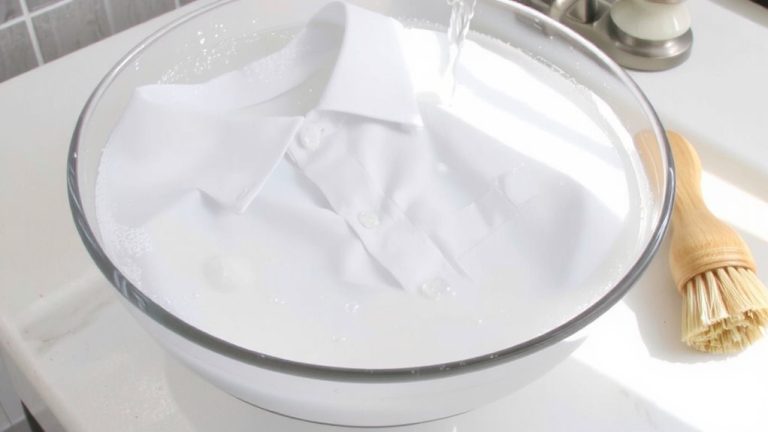
That silk blouse or wool sweater you just washed needs careful handling-tossing it in the dryer or twisting it out by hand risks permanent damage, especially when wet fibers are at their weakest. Remember, the care label says *do not wring* for a reason: it protects delicate fabrics like silk, wool, and cashmere from breaking or losing shape. To remove water safely, gently press between towels-this absorbs moisture without stress. After, reshape garment to its original form and dry flat on a mesh rack or clean surface to avoid stretching. Never hang heavy knits; gravity pulls them out of alignment. If using a machine, select a no-spin cycle or low-RPM spin (under 600 RPM) with a mesh bag for light extraction. This method’s tested by experts and preserves fiber integrity, keeping your clothes looking newer, longer.
Fabrics That Say “Do Not Wring”?
Ever wonder why your favorite silk blouse or cashmere sweater carries that “do not wring” symbol-a crossed-out twisted fabric? It’s because delicate fabrics like silk, wool, cashmere, and fine knits are easily damaged when twisted. Wringing creates excessive stress, especially on moisture-elongated fibers, leading to stretching, misshaping, or fiber breakage. These items are often hand wash only, and wringing defeats the gentle care they need. Instead, pressing between towels safely removes water without strain. Always let such garments be air-dried flat to preserve their structure and softness.
| Fabric Type | Care Need | Recommended Method |
|---|---|---|
| Silk | Avoid fiber distortion | Pressing between towels |
| Wool | Prevent shrinkage | Air-dried flat |
| Cashmere | Maintain loft & shape | Hand wash, no wringing |
| Fine knits | Stop stretching | Lay flat after pressing |
| Moisture-elongated fibers | Reduce stress | Do not wring, gentle handling |
Should You Hang or Lay Flat to Dry?
How you dry delicate fabrics after washing can make or break its shape, especially when the care label bears the “do not wring” symbol-a twisted fabric with a bold “X” through it. You must never wring or twist the garment in a machine, as that can distort natural fiber garments like silk or wool. Instead, gently press out water and check drying instructions on care labels. If you see a square with a horizontal line, you must lay flat on a clean towel to dry flat-this helps prevent damage. A square with a curved top line means you can hang to dry, but only after squeezing gently. Always follow these symbols closely; they’re designed to preserve drape and structure. For best results, dry flat when in doubt, especially with knits or structured silks. Proper drying keeps delicate fabrics looking new, maintains shape, and extends wear.
On a final note
Always follow “do not wring” labels on delicate fabrics like silk and wool, as twisting causes stretching and fiber damage. Instead, press water out gently between clean towels, then lay flat to dry to maintain shape. Use a mild detergent like Woolite for handwashing, and avoid hot water. Hang only sturdy items; delicate weaves need flat drying to prevent sagging. Proper care extends garment life, keeps textures crisp, and preserves color.