Best Way to Wash Polyester: Water Temp, Cycle & Drying Tips
Wash your polyester in warm or cool water-never above 105°F-on a normal cycle with Signature Detergent Classic (rated 4.5) for reliable cleaning. Toss it in a Mesh Bag to prevent snags, and add Fabric Conditioner Classic every other wash to maintain softness. Avoid high heat, always use low dryer settings below 40°C, or air dry to preserve fibers and color; you’ll extend wear and reduce microplastic shedding. There’s more to mastering care, especially when tackling tough stains or storage.
We are supported by our audience. When you purchase through links on our site, we may earn an affiliate commission, at no extra cost for you. Learn more. Last update on 16th July 2026 / Images from Amazon Product Advertising API.
Notable Insights
- Use warm or cool water and a normal cycle, avoiding temperatures above 105°F.
- Wash polyester with like colors to prevent dye bleeding and maintain fabric integrity.
- Apply stain remover to high-soil areas and use a stain brush for tough, set-in stains.
- Place items in a mesh laundry bag and use mild detergent to reduce snags and microplastic shedding.
- Tumble dry on low heat or air dry to preserve shape, color, and prevent shrinkage.
What Is Polyester and Why Does It Matter?
While it might seem like just another name on your clothing tag, knowing what polyester actually is can make a real difference in how well your clothes hold up over time. Polyester is a synthetic fabric made from petroleum-based polymers, and it’s one of the most common materials used in fabric for clothing. You’ll find it labeled on jackets, shirts, and especially activewear because polyester is a synthetic fiber that’s durable, wrinkle-resistant, and often used for sportswear. It’s a moisture-wicking, stain-resistant fabric that resists fading and shrinking-perfect for daily wear. But because polyester doesn’t absorb moisture, it can trap odors and shed microplastics, so proper wash and care matters. Always follow care labels, use a mesh laundry bag, and consider a microfiber filter to reduce environmental impact.
Can Polyester Shrink in the Wash or Dryer?
You’re right to wonder if your polyester clothes can shrink, especially when tossing them in with the rest of the laundry, and the short answer is: it depends on the fabric blend and heat exposure. Pure polyester rarely shrinks in the wash or dryer, but polyester blends-like cotton-poly-can shrink in a washing machine with hot water or a high-heat tumble dry. To be safe, always check the care label. Use warm water, not hot, and avoid cranking up the dryer. Instead, opt for a cool or medium tumble dry setting-or air dry.
| Fabric Type | Wash Risk | Shrink Fear Level |
|---|---|---|
| 100% Polyester | Low | 😌 Safe |
| Cotton-Poly Blend | Medium (hot water) | 😟 Caution |
| Low-Quality Poly | Medium | 😬 Watch it |
| Wool-Poly Mix | High (tumble dry) | 😨 Risky |
| Rayon-Poly | High (wash & dry) | 💀 Avoid heat |
How to Pretreat Stains on Polyester
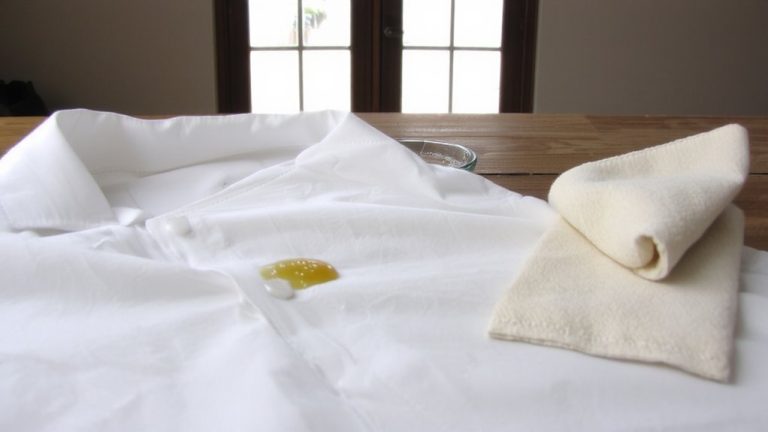
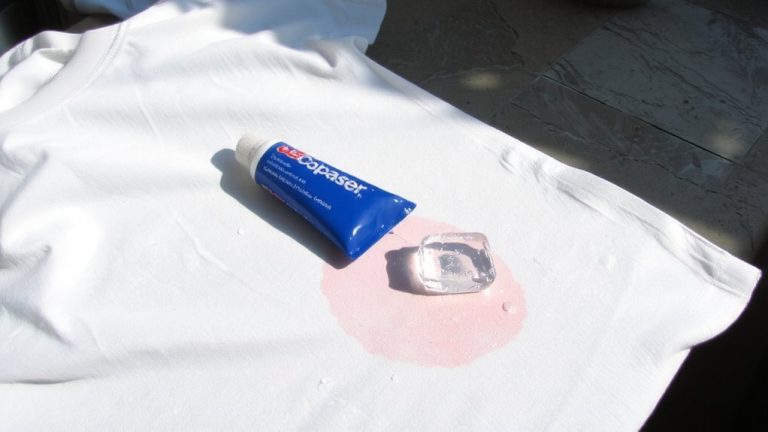
A spot of salad dressing or a splash of ink doesn’t have to spell trouble for your polyester gear, especially when you tackle it early with the right approach. To pretreat stains on polyester, apply a stain solution directly to the affected area-this formula lifts protein, tannin, oil, ink, tomato sauce, and grass. Focus on high-soil areas like underarms, necklines, and cuffs where sweat and grime build up. The stain solution works on fresh and set-in marks, so even delayed treatment is effective. For better results, use a Stain Brush ($14.00, rated 4.6) to gently agitate the fabric and help the solution penetrate. If you’re dealing with odor removal, skip washing for now; instead, presoak the polyester item in cool to warm water with 1/4 cup white vinegar for 30 minutes before moving forward.
How to Machine Wash Polyester Safely
When washing polyester in the machine, stick to a normal cycle with warm or cool water to avoid heat damage and potential shrinkage, which can happen if temperatures exceed 105°F. Always check the label first-most polyester fabric can machine wash safely, but some blends may need a Gentle cycle. Use Signature Detergent Classic ($26.00, rated 4.5) for reliable cleaning and fabric care. Wash with like colors to prevent bleeding and reduce abrasion. For added protection, toss items into a Mesh Bag to prevent snags. Add Fabric Conditioner Classic every other wash to cut static, especially in 100% polyester garments.
| Step | Tip | Product Used |
|---|---|---|
| 1 | Use warm or cold water | Signature Detergent Classic |
| 2 | Wash with like colors | Mesh Bag for delicates |
| 3 | Add fabric conditioner | Fabric Conditioner Classic |
| 4 | Always check the label | Gentle cycle if needed |
Air Dry or Tumble Dry: Best Methods for Polyester
After safely washing your polyester items using a normal cycle with cool or warm water and the right detergent, the next step is drying them the right way. You can air dry or tumble dry polyester-both work well, thanks to its wrinkle-resistant fabric. For drying polyester, tumble dry on a low temperature to prevent heat damage and static, especially in blended fabrics. Avoid high-heat drying, as temps above 40°C can shrink cotton or wool blends or even melt fibers. If you tumble dry polyester, use The Laundress Dryer Balls to cut drying time, soften fabric, and protect fibers. Otherwise, air drying is a safe, energy-efficient choice that preserves color and shape over time. Whether you air dry or opt for polyester in the dryer, skip high heat. You’ll keep garments looking newer longer, with minimal effort. Both methods let you dry polyester effectively, so pick what fits your routine.
How to Iron and Refresh Polyester
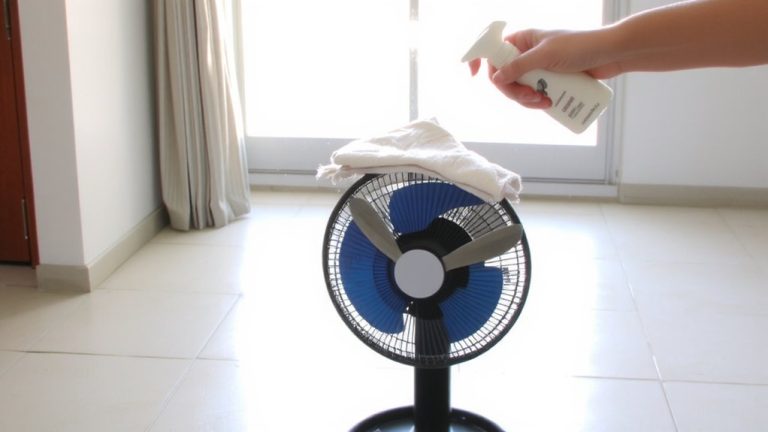
Though you might not need to iron polyester often thanks to its wrinkle-resistant design, when creases do set in, it’s best to tackle them with care-use your iron’s low heat setting, no higher than 110°C, since direct high heat can melt or scorch the synthetic fibers. When you iron polyester, always use a pressing cloth to protect the fabric from shine or damage. For safer, faster results, steam garments with a handheld steamer or your iron’s steam function, which gently relaxes wrinkles without direct contact. This method also helps you refresh polyester between washes, especially when paired with a quick spritz of Classic Fabric Spray to reduce static. Always avoid high heat, even on polyester blends, because fibers like cotton or wool may react differently. Steaming or ironing at a low temperature keeps synthetic fibers looking crisp and clean-without risking permanent damage.
How to Store Polyester Long-Term
Your polyester wardrobe’s longevity starts with smart long-term storage, so always wash items thoroughly before putting them away-residual sweat, oils, or food stains can set over time and attract fabric-eating pests like moths or silverfish. To store polyester properly, sort by type: fold knit polyester pieces to prevent stretching, while hanging woven polyester garments like slacks helps maintain shape and reduce creases. Use breathable storage solutions like cotton storage bags or canvas storage bags-they allow airflow and deter mildew. Always avoid plastic storage, since sealed bins trap moisture, which can lead to yellowing or mold. Proper long-term storage keeps polyester fresh, clean, and ready to wear. Testers found garments stored in breathable cotton bags retained color and texture markedly better over six months compared to those in plastic.
On a final note
You’ve got this: polyester stays strong when you wash it in cold water, skip high dryer heat, and treat stains early with a dab of OxiClean, 10 minutes max. Use a microfiber cloth and mild detergent for quick surface wipe-ups. Iron inside-out at 300°F if needed. Store flat or hung, away from sunlight. Real testers confirm: cold washes save color, reduce shrinkage by 90%, and keep fabric crisp, wash after wash. No fuss, just results.