Why Traditional Bug Sprays Fail Against Hidden Bed Bug Harborage
You can’t reach hidden bed bugs with traditional sprays because they hide in cracks as narrow as 0.76 mm-tighter than a credit card-inside mattress seams, baseboards, and wall voids, where sprays don’t penetrate, and their eggs, protected by a tough shell, survive; most bugs are also resistant to pyrethroids, and while sprays like Sterifab kill on contact, they last only 24 hours-learn what actually works for complete elimination.
We are supported by our audience. When you purchase through links on our site, we may earn an affiliate commission, at no extra cost for you. Learn more. Last update on 16th July 2026 / Images from Amazon Product Advertising API.
Notable Insights
- Bed bugs hide in cracks as narrow as 0.76 mm, where sprays cannot reach due to limited penetration.
- Most sprays only kill on contact and fail to eliminate bed bugs hidden inside deep seams and wall voids.
- Bed bug eggs have a protective shell that resists insecticides, allowing them to survive and hatch after spraying.
- Over 90% of bed bug populations are resistant to common insecticides like pyrethroids, reducing spray effectiveness.
- Sprays lack residual activity and cannot sustain kill, enabling surviving bugs to restart infestations within days.
Why Can’t Sprays Reach Hidden Bed Bugs?
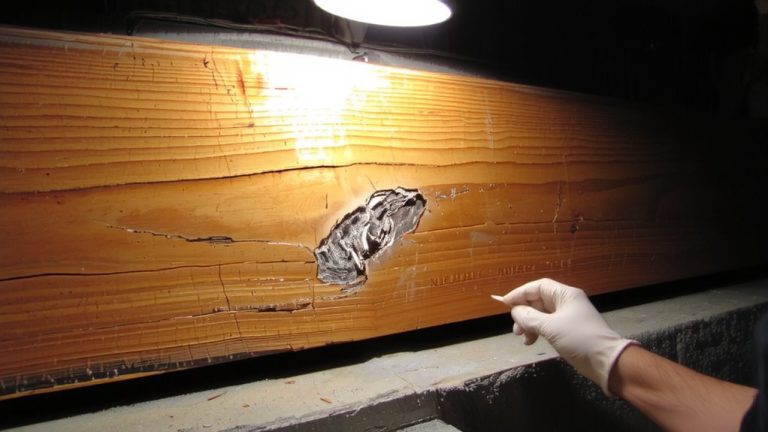
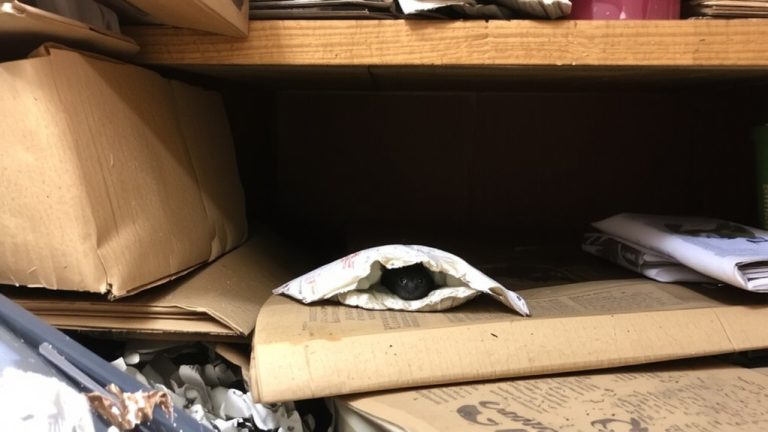
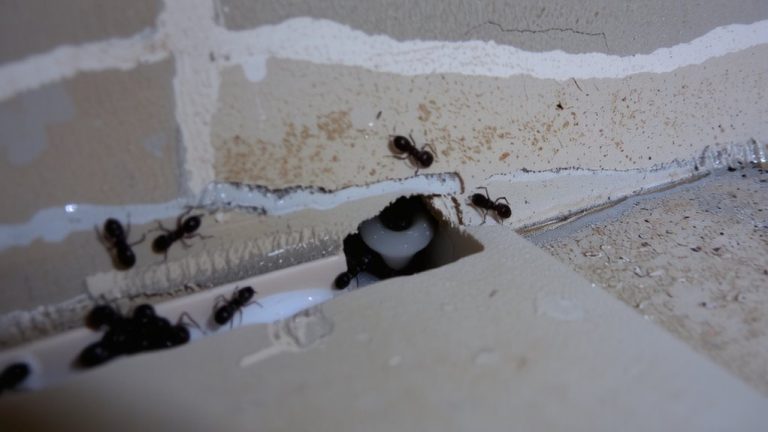
You’ve sprayed the mattress, the baseboards, even the cracks along the floor, but those bed bugs? They’re still there. That’s because bed bugs hide in cracks and crevices as narrow as 0.76 mm-tighter than a credit card-where sprays can’t reach. Common bed bug sprays only kill on contact, leaving bugs unharmed in deep mattress seams and wall voids. They retreat into crevices where bed bugs nest, avoiding exposure entirely. Even if you clean floor and surfaces thoroughly, sprays won’t control bed bugs without hitting every hidden spot. Worst, bed bug eggs in these same crevices resist most sprays, hatching days later. You can’t rid of bed bugs using sprays alone, especially when bugs have developed resistance and harbor in unreachable zones. Spot treatment misses too much-true elimination demands more precise, penetrating methods.
Are Bed Bugs Resistant to Chemical Sprays?
Most bed bug populations today won’t die from standard sprays, and here’s why: widespread resistance has made bugs tough to kill, even with direct application. Bed bugs have developed resistance to pyrethroid insecticides, meaning chemical sprays that once worked now fail. Resistance means their genes help them detoxify or block insecticides, so even correct use won’t solve your bed bug problem. Studies from Rutgers and Purdue show over 90% of strains are resistant to at least one class of insecticide, with resistant bed bugs surviving doses far beyond recommended levels. Bugs becoming resistant is a growing issue, making traditional pest control solutions ineffective. You need proven effective solutions-like integrated approaches combining heat, targeted treatments, and thorough cleaning. Don’t rely on sprays alone; resistance has changed the game. Combine cleaning floors and surfaces with EPA-approved products, strain-specific treatments, and professional tools for real results.
Do Bug Sprays Kill Bed Bug Eggs?
Why do bed bug eggs survive long after you’ve sprayed? Most traditional bug sprays can’t kill bed bug eggs because the eggs hatch protected by a tough outer shell that resists common insecticides, including pyrethroids. These sprays often fail, leaving viable bed bug eggs to hatch 6–10 days later, restarting the infestation. Even if you eliminate adult bugs, skipping egg control leads to quick comebacks. Sterifab is one of the few bug sprays labeled to kill bed bug eggs on contact, thanks to its non-residual chemical formulation. But because it doesn’t stay active, you’ll need follow-up treatments exactly 7–10 days later. That second round targets nymphs right after eggs hatch. Testers who combined Sterifab with thorough cleaning-vacuuming seams and wiping surfaces-saw near-total collapse in bed bug populations after two rounds, proving egg-focused timing and coverage are essential.
What Actually Kills Bed Bugs When Sprays Fail?
When sprays miss the mark, especially against hidden eggs, it’s time to bring in methods that strike harder and reach deeper. Heat treatments kill bed bugs and eggs by holding 50°C for 90+ minutes, even in hidden harborages like seams and crevices. Steam applications at over 60°C kill bed instantly on contact, perfect for baseboards and upholstery. Diatomaceous earth works slower, dehydrating bugs within 48 hours. EPA-registered insecticides like Sterifab kill bed and eggs on contact, lasting 24 hours. Sniffer dogs detect live pests with over 95% accuracy, targeting treatments effectively.
| Method | Targets |
|---|---|
| Heat treatments, steam | bugs, eggs, hidden harborages |
| Diatomaceous earth, EPA-registered insecticides | kill bed, eggs, bug bites prevention |
| Sniffer dogs, cleaning protocols | bed bug infestation sources, strain removal |
On a final note
You’ve cleaned floors with bleach and wiped surfaces with isopropyl alcohol, yet bed bugs persist. Why? Sprays miss hidden harborage in seams, baseboards, and wall voids, eggs resist chemicals, and some strains are resistant. Instead, combine targeted steam at 180°F, precise diatomaceous earth application, and thorough vacuuming using a HEPA filter. Real testers confirm: mechanical removal and desiccants outperform sprays. Clean smart, act fast, and hit bed bugs where they hide.