The Difference Between Dermestid Beetles and Carpet Beetles in Home Infestations
You’re dealing with dermestid beetles if you spot small, oval bugs or fuzzy larvae munching on wool, fur, or feathers-carpet beetles are a common type, measuring 2–5 mm, often mottled with white, brown, or yellow scales. Check baseboards, under furniture, and carpet edges for frass, cast skins, or larvae. Vacuum with a HEPA filter, seal cracks, and freeze infested items at 0°F for 72 hours. They’ll tell you exactly where to focus and what comes next.
We are supported by our audience. When you purchase through links on our site, we may earn an affiliate commission, at no extra cost for you. Learn more. Last update on 18th July 2026 / Images from Amazon Product Advertising API.
Notable Insights
- All carpet beetles are dermestid beetles, but not all dermestid beetles are classified as carpet beetles.
- Dermestid beetles feed on a wide range of animal-based materials, while carpet beetles primarily infest wool, silk, and natural fibers in homes.
- Carpet beetle larvae cause most damage to carpets and clothing, whereas other dermestid larvae may target stored insects or dried goods.
- Adult carpet beetles are often seen near windows in spring, while other dermestid beetles are less commonly observed indoors.
- Infestations from both types show similar signs, including frass, cast skins, and holes in natural fiber items.
What Are Dermestid and Carpet Beetles?
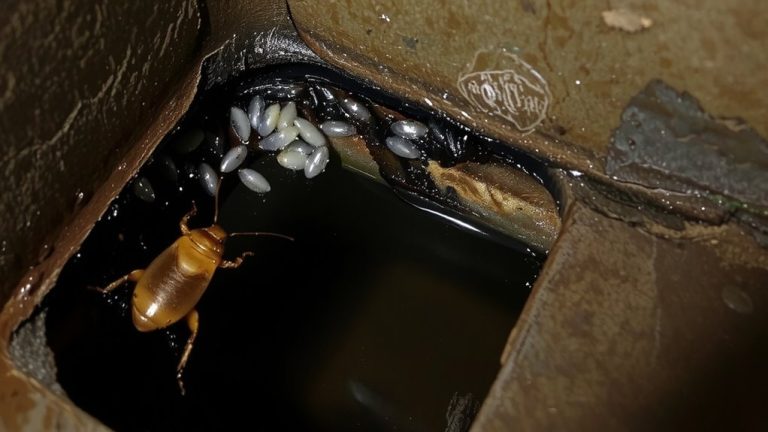
You’re probably dealing with dermestid beetles if you’ve spotted small, oval bugs near wool clothes or feathers, and here’s what you need to know: these scavengers belong to the Dermestidae family and thrive on animal-based materials like fur, silk, and dead insects. Dermestid beetles are a diverse family of beetles that include carpet beetles-common species being Anthrenus verbasci, Anthrenus flavipes, and Attagenus unicolor. While all carpet beetles are part of the Dermestidae family, not every dermestid is a carpet beetle; some target stored foods or dried meats. The real damage comes from the larvae, not adult beetles, since they feed on protein-rich animal products. Larvae are hairy, elongated, and often hide in carpets, baseboards, or closets. Adult beetles, typically 2–5 mm long, are oval, sometimes mottled with white, brown, or yellow scales. Regular vacuuming, washing fabrics at 120°F, and using enzyme cleaners help eliminate both larvae and residues that attract adult beetles.
Signs of Carpet Beetle Infestation
While you might not spot the beetles right away, signs of a carpet beetle infestation often reveal themselves through visible damage and remnants left behind. You’ll likely notice ragged holes in wool carpets, sweaters, or other natural fibers-clear evidence of larvae infesting your belongings. Look for frass, tiny waste pellets, under stored items or along carpet edges, especially in closets. Another dead giveaway? Larval skin, also called cast skins-brown, bristly shells shed as larvae grow-often found near baseboards or under furniture. Spotting these is a sure sign you’re dealing with carpet beetles. Adult beetles fly occasionally, usually seen on windowsills in spring, measuring just 1/10 to 3/16 inch long. Vacuuming daily with a HEPA-filter model removes cast skins and frass, while steam cleaning kills hidden larvae. Using enzyme cleaners on wool carpets eliminates residue that attracts pests.
Where Carpet Beetles Hide and Breed
Carpet beetles stick to hidden spots where they can lay eggs and feed without being disturbed, often turning overlooked parts of your home into breeding grounds. They hide and breed in lint and hair accumulations under carpets, along carpet edges, and beneath furniture. You’ll also find larvae in cracks, baseboards, air ducts, and folds of upholstered furniture, where they feed on shed hair and dead insects. Abandoned bird or rodent nests in attics or wall voids serve as prime breeding sites, while stored woolens, furs, and pet food offer food for larvae to mature.
| Common Hiding Spots | Why They’re Attractive |
|---|---|
| Lint and hair accumulations | Easy food source for larvae |
| Cracks, baseboards, air ducts | Dark, undisturbed areas to hide and breed |
| Upholstered furniture | Shed skin, hair, and debris feed larvae |
How to Eliminate and Prevent Infestations
How do you get rid of carpet beetles for good? Start by cutting off their food sources-lint, pet hair, dead insects, and spilled grains-since these sustain dermestid beetle larvae. Vacuum thoroughly: hit baseboards, under furniture, and ducts to pull out larvae, cast skins, and frass, then toss the bag right away. For infested items like wool clothing or furs, freeze them at 0°F for three days or heat-treat above 130°F to kill all life stages. Store products like grains in airtight, insect-proof containers to block beetles. Seal cracks and crevices around windows and doors-adults are strong fliers and enter homes easily. While DIY steps help, severe infestations may need pro pest control. Regular cleaning and vigilant storage keep carpet beetles from returning.
On a final note
You’ve got this-clean floors and surfaces weekly with a HEPA vacuum, like the Dyson Ball Animal, to trap tiny larvae and dust. Use disinfecting wipes with benzalkonium chloride on countertops, and steam-clean carpets at 212°F to kill eggs. For stain removal, tackle spots fast with enzyme cleaners like Biokleen Bac-Out. Sealing cracks and storing wool in zippered, airtight bins stops reinfestation. Stay consistent, and your home stays beetle-free.