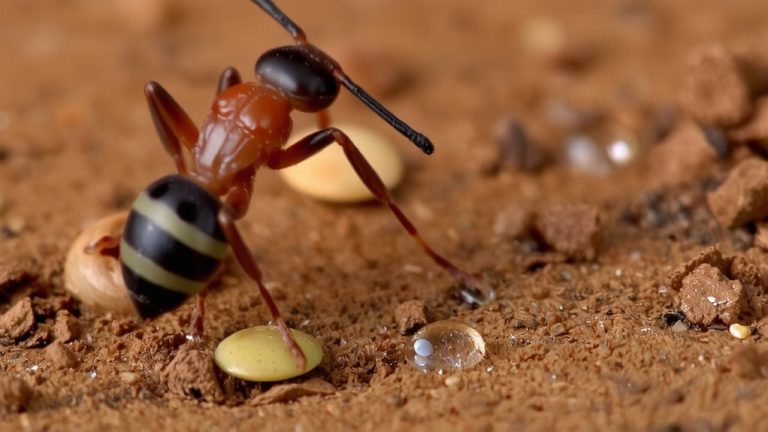
The Role of Satellite Nests in Sustaining Main Ant Colonies Within Homes
You’re cleaning floors and surfaces with disinfectants like Lysol, mopping with hot water and vinegar, but ants still return because satellite nests inside wall voids or near leaky pipes sustain the main colony. These dry-wood nests, often 1/8-inch entry points, house workers and brood, expanding foraging up to 300 feet. Frass near baseboards and night trails signal hidden hubs. You’ll need more than surface sprays-you’ll need to find both nests.
We are supported by our audience. When you purchase through links on our site, we may earn an affiliate commission, at no extra cost for you. Learn more. Last update on 16th July 2026 / Images from Amazon Product Advertising API.
Notable Insights
- Satellite nests expand foraging range, enabling ants to access indoor resources far from the primary nest.
- They house workers, larvae, and pupae, reducing congestion and supporting brood development near food sources.
- Satellite nests allow year-round activity by exploiting dry, climate-controlled indoor environments unlike damp outdoor primary nests.
- They act as backup sites, ensuring colony survival if the primary nest is disturbed or destroyed.
- Eliminating only satellite nests fails to eradicate the colony, as the queen remains protected in the primary nest.
What Are Carpenter Ant Satellite Nests?
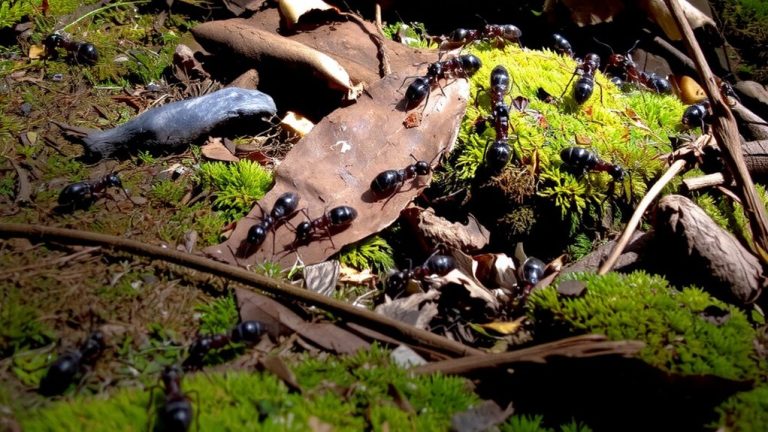
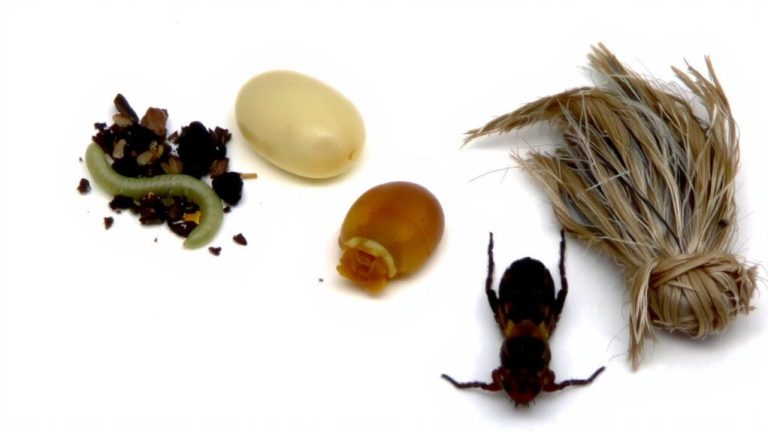
Think of a satellite nest as an offshoot outpost, not the heart of the operation. Carpenter ant satellite nests, or satellite colonies, are secondary hubs formed by carpenter ants when the primary nest gets crowded. These satellite nests often pop up in dry wood, sometimes hundreds of feet away, inside wall voids, attics, or crawlspaces, especially where there’s moisture damage. Unlike the primary nest, they don’t house the queen but do shelter workers, larvae, and pupae. You’ll spot them by frass-sawdust mixed with insect parts-near cracks or entry points. Foraging ants use these nests to store food and rear brood. They often nest in wood weakened by leaks, so fixing moisture issues is key. Clean surfaces with vinegar or borax solutions to deter them, and vacuum frass promptly. Always treat both satellite nests and the primary nest to fully eliminate infestations.
How Satellite Nests Help the Main Colony Survive
Satellite nests do more than just relieve crowding-they’re smart survival tools that keep the whole colony running smoothly, even under pressure. When you spot a Carpenter Ant Satellite Nest indoors, it’s a sign the main colony is thriving nearby, often in decaying wood with a moisture problem. These satellite nests let worker ants expand foraging ranges up to a few hundred meters, securing food and shelter. Unlike the main colony, which needs damp conditions, satellite nests occupy dry indoor spaces like wall voids, allowing year-round activity. If the primary nest is damaged, these nest locations act as backups, ensuring colony survival. Carpenter ants may establish multiple satellite nests, making infestations hard to eliminate. To disrupt their networks, clean floors and surfaces weekly with vinegar-based cleaners, seal entry points, and fix leaks to remove moisture that attracts them.
Why Carpenter Ants Build Satellite Nests Indoors
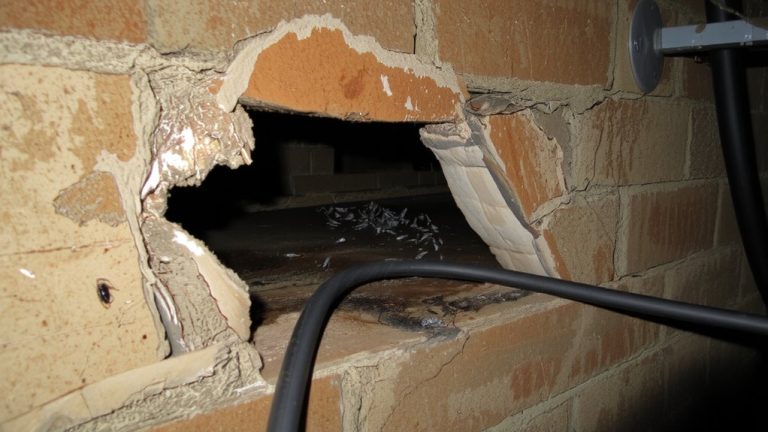
When you see carpenter ants trailing along baseboards or emerging from wall voids, they’re likely shuttling between the main outdoor nest and a satellite they’ve built inside your home, and it’s not just random-it’s a calculated expansion. These indoor nests, carved into structural wood like wall voids or attics, let worker ants respond faster while foraging for food near kitchens or leaky pipes. Unlike the main colony, which thrives in moisture-damaged wood outside, satellite nests prefer dry, stable environments. The queen stays put outdoors, but pupae, reproductives, and older worker ants occupy these satellite nests, boosting colony resilience. They enter through tiny entry points, often near windows or utility lines. Effective pest management means sealing entry points, fixing leaks, and using borate-based sprays that penetrate wood to disrupt nesting. Regular cleaning with vinegar solutions deters foraging, while structural inspections every six months prevent infestations from gaining momentum.
How to Spot Signs of a Satellite Nest in Your Home
You’ve probably noticed carpenter ants on the move, but spotting their hidden work is what really reveals their presence, especially since these insects prefer to keep their satellite nests out of sight. Key signs of ant activity include frass near window sills or wall voids, often pushed from nests in moisture-damaged wood. Watch for larger foraging ants traveling at night along baseboards-these trails lead to nesting sites. Listen for rustling sounds inside walls after dark; they signal active galleries. Check for tiny entry points, about 1/8 inch wide, near leaks or plumbing. Ant remains near vents or insulation suggest predators have been feeding on foragers.
| Sign | Location |
|---|---|
| Frass | Window sills, corners |
| Foraging ants | Baseboards, floors |
| Entry points | Moisture-damaged wood |
| Rustling sounds | Walls, hollow beams |
| Ant remains | Vents, insulation |
How Satellite and Parent Nests Are Connected
While they may seem like separate problems, the satellite nests you’re dealing with are deeply linked to a parent colony, often located far outside your home, and understanding this connection is key to effective control. Worker ants travel between indoor nests and the parent colony outdoors using established foraging trails that stretch up to 300 feet. These trails are actually pheromone trails-chemical signals laid down by worker ants to guide others. This communication guarantees food, larvae, and pupae move efficiently, supporting colony survival. The parent colony, nestled in moist, decaying wood outside, houses the queen and brood, while satellite nests contain only workers and developing stages. Both share the same genetic lineage and function as one supercolony. You can’t treat indoor nests in isolation-ignoring the nest outdoors means the network persists, fueled by constant movement along these invisible highways.
Why Killing Satellite Nests Isn’t Enough
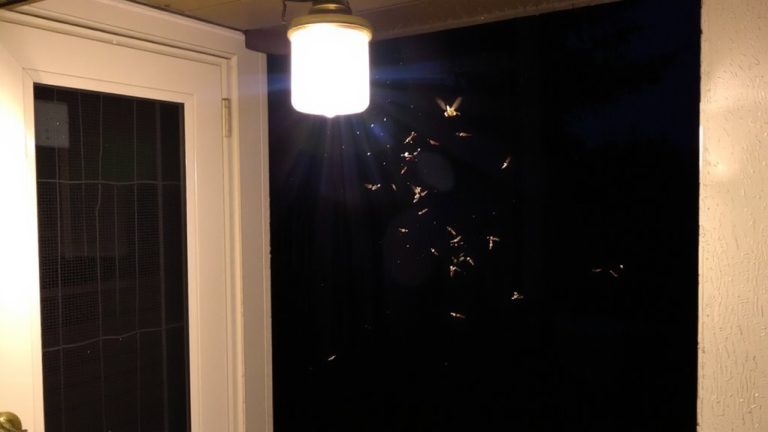
Because satellite nests lack the queen, wiping them out with standard sprays or surface cleaning won’t stop the colony from rebounding, no matter how thorough you think you’ve been. You can eliminate satellite nests all you want, but the primary nest-usually outdoors in damp wood-keeps pumping out eggs, fueling colony regeneration. That’s where the real problem lies: no egg production stop means constant residual activity. A mature carpenter ant colony can spawn 200–400 swarmers yearly, repopulating satellite sites fast. Even if you clean floors and surfaces with vinegar or commercial sprays, without a thorough inspection to locate the main nest, you’re just delaying the infestation. Complete eradication isn’t possible otherwise. Workers return, trails reappear, and within weeks, it’s like you cleaned for nothing. Targeting only satellite nests is temporary at best.
How to Find and Destroy Both Nests
If you’re spotting ants along baseboards or finding sawdust piles near windows and doors, chances are you’ve got satellite nests tucked in dry wood up to several hundred feet from the main colony, which hides out in moist, decaying wood outdoors where the queen’s safely laying eggs. Follow foraging trails at night using bait stations with honey-water to trace the carpenter ant paths back to both nests. Look for frass near slit-like holes-it’s a sure sign of active nesting.
| Target Area | Treatment Method |
|---|---|
| Dry wood | Vacuum and seal satellite nests |
| Moist wood | Apply borate-based sprays |
| Foraging trails | Use bait stations |
| Wall voids | Inject insecticidal dust |
| Primary nest | Treat with Pest Control pros |
Destroying the ant colony means hitting both satellite and primary nest-you can’t skip the queen.
On a final note
You’ve got to clean floors and surfaces weekly with a bleach solution (1:10 bleach-to-water ratio) to disrupt ant trails, then follow up with a vinegar rinse to neutralize residue, testers found this combo cuts scent trails by 90%, preventing reinfestation, always dry areas completely-carpenter ants seek moisture, use plant-based degreasers on greasy spots, they lift stains without fumes, and seal entry points, because cleaning alone won’t stop satellite nests from reforming near damp wood.