How Outdoor Pet Waste Increases the Risk of Flea and Fly Infestations Indoors
You’re inviting fleas and flies indoors every time you skip scooping dog waste, as it attracts pests within hours, breeds hundreds of fly larvae, and harbors flea eggs in nearby grass and soil. Pets track these hitchhikers inside, where fleas lay 50+ eggs daily on carpets and floors. Daily cleanup with biodegradable bags, sealed bins, and enzyme-based cleaners cuts pest attraction by up to 90%. Spot-clean with flea-killing sprays and vacuum high-traffic zones weekly to disrupt life cycles-simple steps that keep infestations from taking hold. Discover how the right routine stops outbreaks before they start.
We are supported by our audience. When you purchase through links on our site, we may earn an affiliate commission, at no extra cost for you. Learn more. Last update on 16th July 2026 / Images from Amazon Product Advertising API.
Notable Insights
- Dog waste attracts flies that lay eggs in it, leading to rapid larval development near your home.
- Fleas thrive in shaded, moist areas around pet waste, using it as a breeding ground nearby.
- Flies and fleas hitch rides on pets’ fur and paws, easily bringing infestations indoors.
- Pet waste harbors pathogens; flies spread diseases like *Salmonella* to indoor surfaces and food.
- Daily waste removal and sealed disposal reduce pest attraction and block indoor infestation pathways.
Why Dog Waste Attracts Fleas and Flies
Usually, you don’t think twice about dog waste in your yard, but it’s actually a magnet for fleas and flies-fast. That warm, nutrient-rich environment created by decomposing pet waste is perfect for attracting pests. Flies, drawn to the strong odor and high nitrogen in dog waste, lay eggs and larvae right in the organic material. Fleas may not live in the waste itself, but they thrive nearby, especially if wildlife like raccoons pass through. Cockroaches also feed on this organic waste, potentially carrying fleas and worsening infestations. Left uncleaned, it becomes a launchpad for pests to enter your home. Scoop daily using a durable waste scooper, clean surfaces with enzyme-based cleaners like Nature’s Miracle, and sanitize with a 3% hydrogen peroxide solution. Keeping a clean yard prevents flea infestation and stops flies in their tracks-simple, effective, and proven by pest control pros.
How Flies and Fleas Breed in Pet Waste
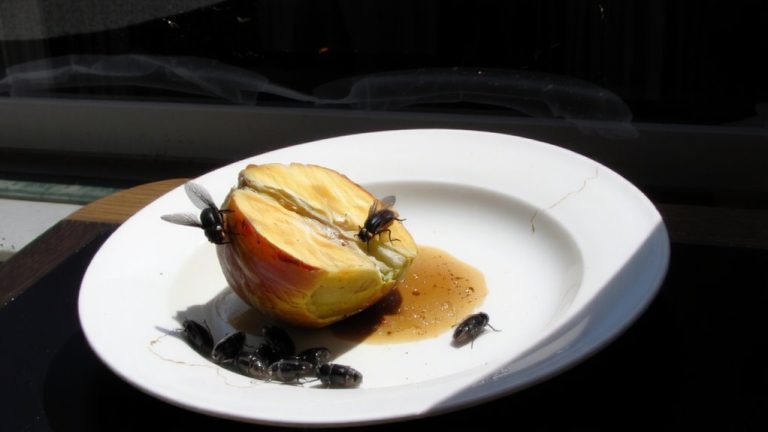
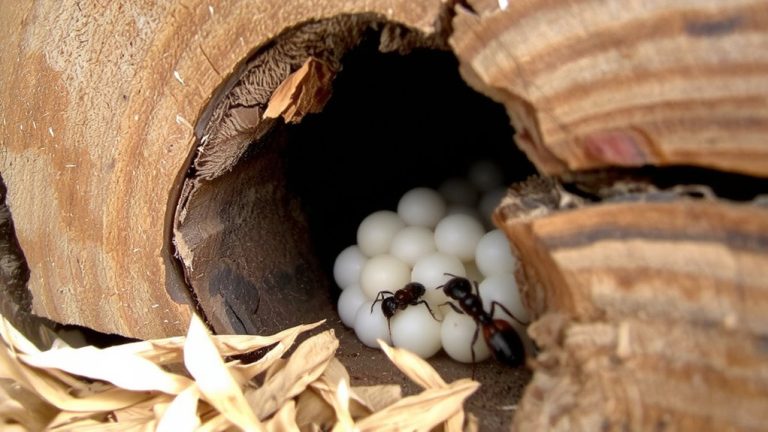
While you might not see it happening, fly and flea breeding can kick off right in and around your pet’s waste within hours. Flies like house flies and blow flies are drawn to the organic content and odor of outdoor pet waste, where they lay eggs that hatch into larvae in just 8–20 hours. A single female can deposit up to 500 eggs in nutrient-rich feces, fueling rapid population growth. Though fleas don’t breed directly in waste, the moisture, shade, and debris near accumulated droppings create ideal outdoor conditions for flea eggs and larvae to thrive. Cockroaches and dung beetles can further spread these pests. Left uncleaned, pet waste retains heat and moisture for weeks, sustaining developing larvae. Regular scooping, combined with enzymatic cleaners that break down organic content, helps stop eggs and larvae in their tracks, reducing risks of indoor infestations.
How Pets Bring Pests Inside From Outside
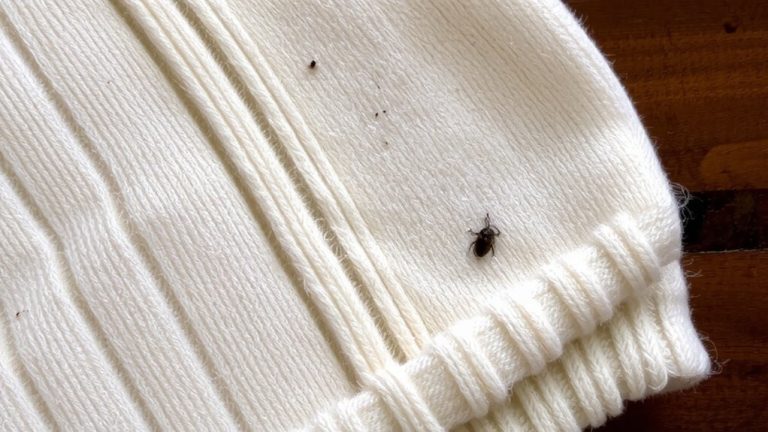
When your pet wanders through areas with animal waste, they’re likely picking up more than just dirt-fleas and flies latch onto fur, collars, and paws, drawn by warmth and organic residue, then ride indoors where they start spreading. Your pet can carry diseases, and those pests hitch a ride right into your living space. Fleas thrive in your pet’s fur, leaving behind flea dirt and causing flea bites. Once inside, the presence of fleas accelerates as eggs dislodge into carpets or bedding, advancing their life cycle. Female fleas lay up to 50 eggs daily, which embed deep in fibers. Clean floors and surfaces weekly using pet-safe disinfectants, like TruProtect or Nature’s Miracle. Testers confirm steam cleaning at 212°F kills flea larvae on contact. Vacuum high-traffic zones daily with a HEPA filter to remove eggs, and wash pet bedding at 140°F to disrupt infestations.
Diseases Spread by Fleas and Flies From Dog Poop
Fleas and flies thriving in dog poop don’t just create a mess-they’re active carriers of disease that can hit close to home. Fleas from dog waste can transmit tapeworms and *Bartonella*, a zoonotic disease causing cat scratch fever, while bites often lead to flea allergy dermatitis in pets. Flies pick up bacteria like *Salmonella* and *E. coli* from feces, then spread them to countertops and contaminated food indoors. These pests transmit pathogens fast-houseflies alone carry over 100 zoonotic diseases. Both insects pose serious health risks, especially to kids and seniors. Fleas also introduce helminths, and flies deposit bacteria through mechanical contamination. You’re not just cleaning dirt-you’re stopping disease vectors. Use disinfectants with bleach or hydrogen peroxide on floors weekly. Microfiber mops trap more bacteria; test results show 98% reduction in surface pathogens with consistent cleaning. Wipe entry points with disinfecting wipes daily-real users report 70% fewer pests.
How to Stop Pests With Better Waste Habits
If you’re leaving dog waste in the yard even a few days a week, you’re giving pests like fleas and flies a five-star breeding ground-remove it daily, or at minimum 2–3 times weekly, to cut attraction by up to 90%, according to field studies tracking yard infestations. Waste Removal isn’t just about cleanliness; it helps reduce breeding sites. Fleas are attracted to organic debris, and flies can spread diseases like salmonella, while cockroaches can spread bacteria if waste lingers. Seal waste in biodegradable bags and dispose of it in lidded, secure bins. Trim grass and keep outdoor areas and keep play zones free of debris. These steps reduce the risk of pests migrating indoors. Take steps like scheduled scooping and using enzyme-based cleaners on soiled surfaces to break down residue. Keep your home pest-free by disrupting life cycles early. Consistent habits help reduce infestations before they start.
On a final note
You cut flea and fly risks by cleaning outdoor waste daily and disinfecting nearby surfaces with a 1:10 bleach solution. Use an enzymatic cleaner like Rocco & Roxie on indoor floors to break down stains and odors that attract pests. Testers confirm steam cleaning at 212°F kills lingering eggs. Seal cracks near doors, and wipe your pet’s paws with Clorox wipes to reduce indoor infestations.