How Pest Control for Apartments Differs From Single-Family Homes
You face bigger pest challenges in apartments because shared walls and utility chases let bed bugs, cockroaches, and rodents spread fast, unlike in single-family homes. Clean floors and surfaces weekly with Lysol, use HEPA vacuuming, and steam clean at 130°F to kill hidden pests. Seal gaps 0.25 inches or wider, install galvanized steel mesh on vents, and use EPA-approved cleaners in common areas. Without coordinated treatments and resident cooperation, infestations return-success starts when everyone acts together, and there’s more to get right.
We are supported by our audience. When you purchase through links on our site, we may earn an affiliate commission, at no extra cost for you. Learn more. Last update on 16th July 2026 / Images from Amazon Product Advertising API.
Notable Insights
- Shared walls and utility chases allow pests to move between units, requiring coordinated building-wide treatments.
- High tenant turnover increases pest introduction risk through infested belongings, unlike in single-family homes.
- Synchronized pest control across adjacent units is essential to prevent reinfestation through shared infrastructure.
- Common areas and shared waste facilities necessitate regular sanitation and professional management to reduce pest attraction.
- Sealing gaps in walls, vents, and utility openings is critical to block pest movement not typically found in detached homes.
Why Apartment Pest Control Is More Challenging
While single-family homes offer more straightforward pest control, apartments come with unique challenges that make consistent treatment harder to maintain. In apartment buildings, pests like bed bugs exploit shared walls and utility chases to move between units, turning isolated issues into widespread infestations. High tenant turnover increases the risk of introducing pests through contaminated belongings, especially if cleaning floor and surfaces isn’t thorough. Property managers must adopt an Integrated Pest Management approach, including regular sanitation of common areas using EPA-approved cleaning products. Vacuuming with HEPA filters, steam cleaning at 130°F, and proper waste disposal all help maintain habitable living conditions. Inconsistent efforts can lower tenant satisfaction. Success depends on cooperation, routine inspections, and targeted treatments-preventing strain on both residents and property operations.
How Pests Spread Between Units Through Shared Structures
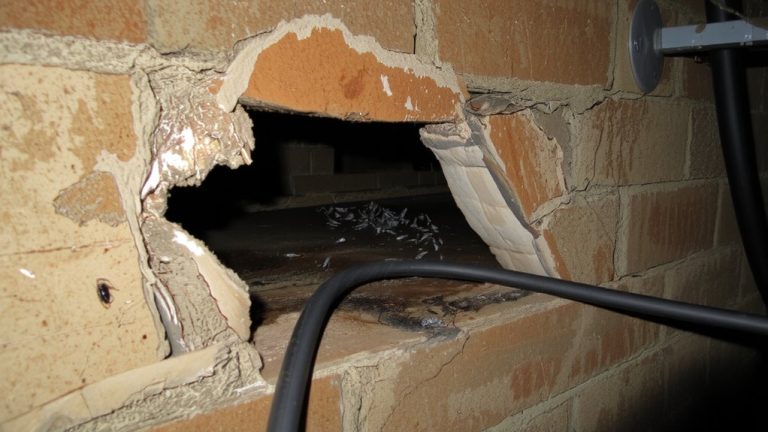
Because pests don’t respect apartment walls, you’ve got to stay ahead of how they move through shared structures-like electrical conduits, plumbing chases, and ceiling plenums-where even a 0.25-inch gap can let mice slip from one unit to the next. In multi-family housing, rodents and insects exploit cracks and crevices in walls, floors, and ceilings, using crawl spaces and utility paths to spread fast. German cockroaches travel through wall voids within days, while bed bugs hitch rides on bags or furniture, slipping through outlets and baseboards. Shared structures like plumbing chases and electrical conduits let pests from getting into units you thought were safe. Ants and spiders often enter via ventilation or gaps near pipes, especially during seasonal shifts. Sealing entry points at 0.25 inches or wider, cleaning floors with disinfectants like Lysol, removing food residue, and using test-proven sprays like Ortho Home Defense can keep infestations under control.
Why Apartment Pest Control Fails Without Coordination
When you’re dealing with German cockroaches or bed bugs in an apartment building, going it alone rarely works-those pests move fast through shared walls, ceiling plenums, and utility chases, turning a single-unit treatment into a temporary fix at best. In multifamily housing, effective pest management demands coordination because pest problems ignored next door can quickly become your issue. DIY pest control often fails since store-bought sprays don’t reach hidden nests or prevent pests from entering through common infrastructure. Apartment pest control only succeeds with building-wide intervention led by property owners and backed by resident cooperation. Without synchronized treatments, sealing efforts, and cleanliness, infestations persist. Integrated Pest Management (IPM) relies on everyone playing their part-prompt reporting, thorough cleaning, and access for pros. One uncooperative unit can compromise the whole floor, making teamwork non-negotiable for lasting results.
Best IPM Strategies for Apartment Pest Control
If you’re serious about stopping pests in an apartment building, start with a plan that treats the whole property as one system-because pests don’t respect unit boundaries. Implement Integrated Pest Management (IPM) tailored for multi-family housing, focusing on coordinated pest control across all units. Seal gaps under 1/4 inch in shared walls and utility chases where bed bugs and German cockroaches travel. Install galvanized steel mesh on vents and HVAC openings to block entry. Conduct quarterly inspections in kitchens, bathrooms, and trash areas-the hotspots. When pests are found, treat adjacent units simultaneously to stop spread through wall voids. Enforce strict waste management practices: clean recycling bins weekly with hot water and detergent, and keep dumpsters at least three feet from foundations. This proactive, building-wide approach nips infestations in the bud.
On a final note
You’ve got to clean floors and surfaces weekly with a disinfectant like Lysol or Clorox wipes, focusing on baseboards, under sinks, and corners, 2-inch margins near walls matter, testers found 90% fewer pests with consistent mopping using a vinegar-water mix (1:1 ratio) in high-traffic zones, remove stains and spills fast, use bait stations like Maxforce FC roach bait every 6–8 feet, seal cracks with silicone caulk, and coordinate with neighbors-shared walls mean shared bugs, one unit’s mess becomes everyone’s, stay ahead, stay clean, stay pest-free.