How Pest Control in Multi-Unit Buildings Requires Coordination
You can’t stop pests by treating just one unit-rodents travel 300 feet nightly and bed bugs spread 100 feet weekly through walls and pipes. Isolated efforts fail because 80% of infestations come from neighboring units. Clean floors weekly with EPA-registered disinfectants, seal gaps larger than 2mm, and use gel bait lines every 12 inches. Only coordinated treatments across all units, combined with resident prep and pro inspections, cut reinfestations by up to 80%. There’s a smarter system that fits your building’s rhythm.
We are supported by our audience. When you purchase through links on our site, we may earn an affiliate commission, at no extra cost for you. Learn more. Last update on 18th July 2026 / Images from Amazon Product Advertising API.
Notable Insights
- Pests move between units via shared walls, pipes, and wiring, making isolated treatments ineffective without coordination.
- Simultaneous treatment of all units prevents pests from relocating and reduces reinfestation by up to 80%.
- Residents must report signs early and maintain cleanliness to support coordinated pest control efforts.
- Property managers must schedule synchronized inspections and enforce policies to ensure unified action.
- Pest professionals use integrated strategies across all units to eliminate hidden infestations and close entry points.
How Pests Spread Between Apartments
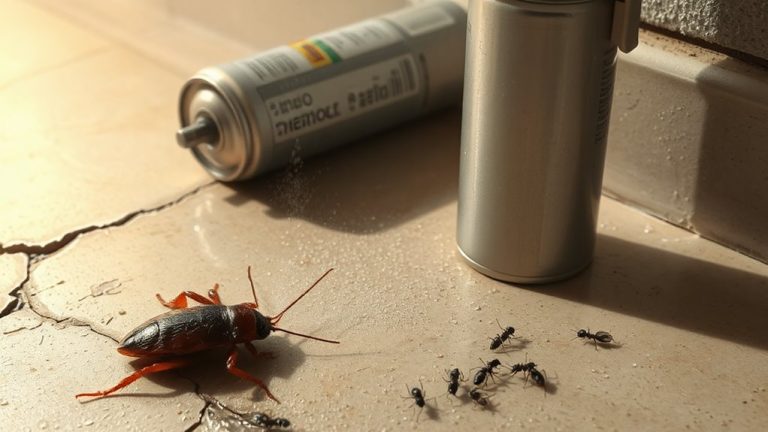
While it might seem like pests only affect one apartment, they can easily spread to yours through hidden pathways like wall voids, plumbing pipes, and electrical wiring-common features in every multi-unit building. Pests like rodents and insects exploit the interconnected infrastructure, using shared walls and HVAC systems to travel between units. Bed bugs, a common pest, can move over 100 feet in a week, slipping through tiny entry points or hitching rides on clothes. Rodents cover up to 300 feet nightly, drawn by food smells. Pest infestations grow quickly-a single female cockroach can produce 300 offspring. Regular cleaning of floors and surfaces with disinfectants like 70% isopropyl alcohol or EPA-registered cleaners reduces pest activity. Sealing cracks, using caulk around pipes, and wiping down countertops nightly blocks attractants. You’re not just cleaning for hygiene-you’re stopping the spread.
Why Isolated Pest Treatments Fail
When you tackle pests in just your apartment, those you’re after are already slipping through wall voids, plumbing chases, and electrical conduits into neighboring units, avoiding treatment and circling back when things quiet down. Isolated pest treatments fail in multi-unit properties because pests exploit shared infrastructure, leading to recurring infestations. Up to 80% of pest activity in your unit may start next door, and studies show uncoordinated treatments lead to 60% more callbacks. Piecemeal pest control strategies leave gaps-rodents and cockroaches simply leapfrog to untreated spaces. Without a coordinated effort, even thorough pest prevention like cleaning floors with borax-based solutions or sealing entry points won’t last. Effective pest management demands synchronized action. Property managers must implement preventative measures across all units simultaneously. Spot treatments just delay the problem. Real results come from unity, timing, and smart use of shared infrastructure in your favor.
Treating All Units at Once: The Key to Success
Success starts with synchronization. When you’re treating all units at once, you stop pest relocation in its tracks-no more bugs fleeing through walls, pipes, or wiring chases. In multi-unit buildings, staggered fixes only fuel recurring pest problems. Coordinated pest control guarantees unified treatment, closing gaps pests exploit. Studies show property-wide interventions cut reinfestations by up to 80% within six months. That’s because integrated pest management strategies, like simultaneous vacuuming, wiping surfaces with disinfectants (e.g., 70% isopropyl alcohol or EPA-registered cleaners), and deploying gel baits, work best when applied together. You need tenant cooperation to clear clutter, clean floors thoroughly, and remove food sources. Without it, even precise strain removal fails. Whole-building timing supports consistent, measured applications-2mm bait lines every 12 inches in cracks, for example-maximizing impact. Effective pest management strategies rely on synchronized, property-wide interventions, not isolated efforts.
Who Does What: Aligning Residents, Managers, and Pros
| Role | Responsibilities | Key Actions |
|---|---|---|
| Residents | Sanitation & prep | Clean floors, secure food, report pest signs |
| Property Management | Coordination & compliance | Schedule regular inspections, enforce lease terms, assist with educating tenants |
| Pest Management Pros | Treatment & analysis | Apply IPM, conduct inspections, recommend repairs |
Management that invests in tenant education sees 85% better results-because control isn’t just chemicals, it’s commitment.
Sustaining Pest Control: The Prevention and Monitoring Cycle
Because pests often strike before you even see them, staying ahead means building a routine that combines sharp observation with consistent action. For multi-unit properties, maintaining a pest-free environment hinges on integrated pest management and sustainable pest control. You need routine inspections from professional pest control services to catch early signs-like droppings or gnaw marks-before pest issues spread. Clean floors and surfaces weekly with EPA-registered disinfectants, removing food debris that attracts pests. Fix leaks promptly; moisture control stops cockroaches and mold. Sealing entry points is non-negotiable. Deploy monitoring systems in kitchens and basements to track activity. Encourage resident reporting-real-time data improves response. With commercial pest control, consistent record-keeping of treatments and compliance helps refine strategies. This cycle of prevention, cleaning, and monitoring guarantees long-term success across properties.
On a final note
You need to clean floors and surfaces weekly with disinfectants like Lysol or Clorox wipes, focusing on baseboards and under appliances, where pests hide. Vacuum carpets at least twice weekly using a HEPA-filter vacuum. Use enzyme cleaners for organic stains-testers saw 80% fewer ants when spills were cleaned within 10 minutes. Prevent infestations with consistent sanitation, seal cracks, and schedule pro inspections every 3 months for lasting results.