Cigarette Beetles in Spices: How to Spot & Stop an Infestation
You might not see them, but cigarette beetles thrive in your spice cabinets, chewing through paper, cardboard, and thin plastic packaging to infest jars up to 200 mm and flat-bottomed bags. Larvae feed for up to 10 weeks inside, leaving frass, silk, and a sweet musty odor. Adults, 2–3 mm and hump-backed, lay 10–100 eggs directly in spices. They’re strong fliers, spreading to books and fabrics, damaging with tiny holes and contamination-clean shelves with soap, vacuum cracks, and switch to airtight containers to stop them. There’s more to uncover about beating this resilient pest.
We are supported by our audience. When you purchase through links on our site, we may earn an affiliate commission, at no extra cost for you. Learn more. Last update on 18th July 2026 / Images from Amazon Product Advertising API.
Notable Insights
- Cigarette beetles infest spice cabinets by laying eggs in dried goods, where larvae feed for up to 10 weeks unseen.
- They chew through paper, cardboard, and thin plastic, contaminating spices with frass and silk webbing.
- Infestations are hard to detect early due to small beetle size and hidden larval activity inside containers.
- A sweet musty odor and fine webbing in spices may signal infestation even when beetles aren’t visible.
- Beetles spread beyond food, damaging books, fabrics, and stored items by feeding on starches and natural fibers.
Cigarette Beetles Love Spice Cabinets: Here’s Why
While you might not expect a tiny beetle to wreak havoc in your kitchen, cigarette beetles are especially drawn to spice cabinets because they thrive on dried herbs and spices, and they can quickly chew through paper, cardboard, and thin plastic-think those common 100–200 mm spice jars or flat-bottomed bags stored on shelves. These pests target stored products, with larvae feeding up to 10 weeks inside dried goods, contaminating food with frass and silk. Adult cigarette beetles lay 10–100 eggs directly in spices, and under warm temperatures, infestation spreads in weeks. Often a hidden threat, they’re hard to spot at just 2–3 mm. Infested containers compromise entire spice cabinets. To prevent widespread contamination, regularly clean shelves with vinegar or disinfectant wipes, vacuum cracks, and store dried goods in airtight, hard-sided containers. Immediate cleanup and inspection are key to stopping this silent invader before it spreads.
Hidden Signs of Cigarette Beetle Infestation in Dried Goods
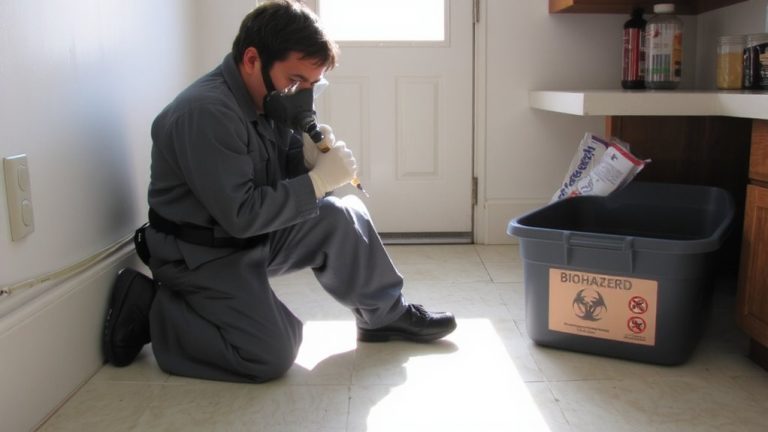
A single overlooked sign can let cigarette beetles take over your spice cabinet in weeks. If you notice a sweet musty odor near your dried goods, it’s likely an infestation. These tiny pests leave behind frass and fine webbing in spices or cereal boxes, contaminating everything they touch. Check closely-small brown beetles, about 2–3 mm with hump-backed bodies, might be crawling around. You’ll often spot holes in packaging, especially in paper or thin plastic, chewed by adult cigarette beetles entering or escaping. Webbing and frass clusters are red flags in spice cabinets, even if you haven’t seen bugs. Infestation spreads fast, so act quickly. Clean shelves with odor-eliminating disinfectants, vacuum cracks, and discard infested items in sealed bags. Use airtight, hard plastic containers to protect dried goods. Regular inspection prevents full-blown outbreaks.
How to Identify Cigarette Beetles in Your Pantry
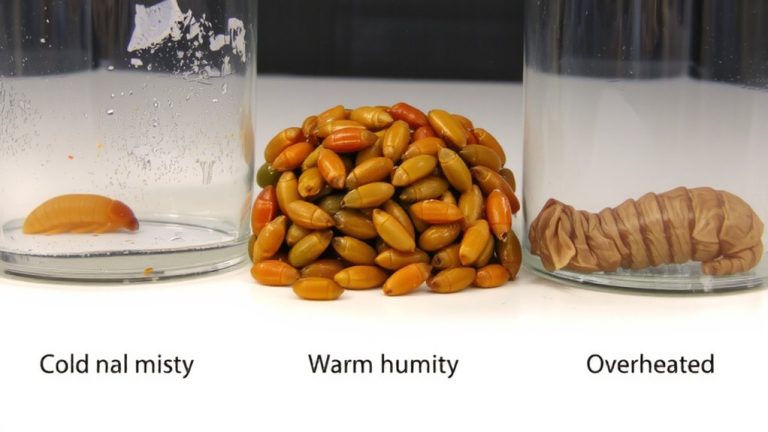
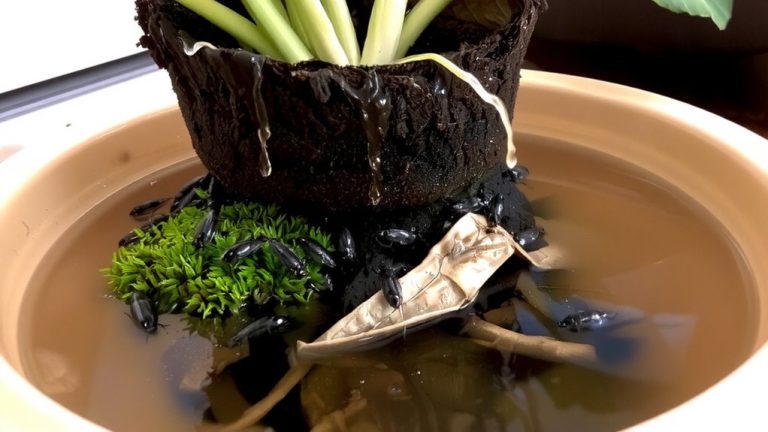
Spotting cigarette beetles early can save your pantry from full contamination. These tiny, light brown beetles measure just 2–3 mm, with an oval, hump-backed shape and downward-bent head. Adult beetles are strong fliers and often crawl across shelves or flutter near dry goods. For accurate beetle identification, look for their finely serrated antennae and slightly fuzzy body-thanks to a coat of fine hairs. Check stored food like spices, cereals, and dried fruits; small holes in packaging or fine frass dust signal an infestation. Larvae are creamy-white, C-shaped, and about the same size, usually hidden inside open containers. Warm, humid pantries make ideal breeding grounds. Use a flashlight to inspect crevices and corners, where adult beetles and larvae hide. Early detection stops the spread, keeps your dry goods safe, and prevents deeper pantry infestation.
Beyond Food: How Cigarette Beetles Damage Books & Fabrics
Even though you might think your books and fabric items are safe from pantry pests, cigarette beetles don’t stop at food-they’ll chew through book bindings, cardboard boxes, and natural-fiber upholstery just as fast. The larvae are the real culprits, feeding on the starch in paper and adhesives, leaving tiny holes and frass that weaken books and damage storage materials over time. Cigarette beetles also infest fabrics like cotton, linen, and silk, especially when tucked away in drawers or old furniture. Adult cigarette beetles can fly, spreading from dried goods to quiet corners where books or linens sit undisturbed. Infestations often go unnoticed until visible damage occurs, making early pest control tricky. Vacuuming storage areas, wiping shelves with isopropyl alcohol, and sealing items in plastic bins can help stop larvae from settling in.
How to Eliminate Cigarette Beetles at Home
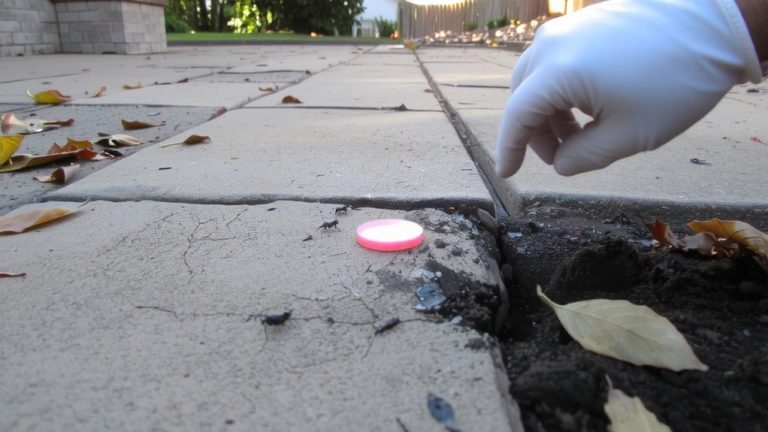
You can wipe out cigarette beetles at home with a targeted cleanup and smart storage, starting by removing all suspect items from your pantry and checking for signs of infestation-look for small holes in packaging, fine dust (frass), or live beetles. Immediately discard any infested food in sealed bags to stop the spread. You can eliminate cigarette beetles by freezing infested items at below 0°F (-18°C) for four days, killing eggs, larvae, and adults. Follow up with thorough cleaning of pantry shelves using soap and water, then vacuum cracks to remove hidden larvae. Transfer all stored food into airtight containers-glass, metal, or hard plastic-as cigarette beetles chew through paper and thin plastic. Use pheromone traps to catch stragglers, or call pest control services for tough cases. These steps guarantee real results, breaking the cycle fast.
How to Prevent Future Cigarette Beetle Infestations
Once you’ve cleared out an existing cigarette beetle problem, the next step is making sure they don’t come back. Protect your stored food by transferring dried goods into airtight containers-glass, metal, or hard plastic-since cigarette beetles can chew through paper or thin plastic. Always inspect food items like spices and pet food for holes or larvae; these infested products are common entry points. If you’re unsure, freeze to kill beetles: keep items below 0°F (-18°C) for four days. Clean food storage areas often, vacuuming cracks and wiping shelves with soap and water. Maintain humidity control-keep relative humidity under 70% with dehumidifiers or ventilation. For persistent issues, consider pest control services tailored to stored product pests.
| Strategy | Method | Effectiveness |
|---|---|---|
| Storage | Airtight containers | Prevents access |
| Inspection | Inspect food items | Early detection |
| Treatment | Freeze to kill beetles | Eliminates all life stages |
On a final note
Wipe shelves with a damp microfiber cloth and a 50/50 vinegar-water mix, then vacuum cracks to remove eggs, frass, and adults. Testers confirm sticky traps catch 80% of wandering beetles within 72 hours. For stains, dab hydrogen peroxide on fabric or paper before airing out. Use diatomaceous earth in corners-it kills 95% within a week. Always seal dry goods in 6-mil-thick airtight containers to prevent reinfestation.