The Role of Detergent Solubility in Preventing Residue and Odor Buildup
You’re washing in cold water to save energy, but if your detergent doesn’t dissolve fully, it leaves sticky residue that traps moisture and breeds odor-causing bacteria. Non-HE powders react with hard water minerals, forming insoluble scum that clings to fibers and resists rinsing at 60°F. Switch to HE or liquid detergents with solubilizing agents like sodium xylene sulfonate-they dissolve fast, rinse clean, and prevent gunk. Pre-dissolve powders in warm water if needed. Testers confirm: full solubility means fresher clothes, fewer suds, and no stiff, cloudy fabrics. There’s more to optimizing your wash for cleanliness and machine longevity.
We are supported by our audience. When you purchase through links on our site, we may earn an affiliate commission, at no extra cost for you. Learn more. Last update on 16th July 2026 / Images from Amazon Product Advertising API.
Notable Insights
- Poor detergent solubility in cold water leaves undissolved residues that trap moisture and promote bacterial growth.
- HE detergents dissolve quickly in cold water, reducing residue and improving rinse efficiency.
- Pre-dissolving powder detergents in warm water helps prevent clumping and fabric residue buildup.
- Liquid and HE detergents minimize scum formation by avoiding reactions with hard water minerals.
- Effective solubility ensures complete surfactant removal, preventing odor-causing bacteria in fabric fibers.
How Solubility Prevents Residue and Odors
When you’re dealing with cold water washes, which are common in most households to save energy and protect fabrics, poor detergent solubility can quickly become a problem, leaving behind undissolved granules that stick to clothes and trap odors. Low solubility leads to residue build-up, especially with non-HE detergents, whose surfactants struggle in cold water and form insoluble residues when reacting with minerals from water hardness. These leftover deposits promote odor buildup by harboring bacteria in the fiber matrix. HE detergents dissolve faster, reduce scum formation, and contain anti-redeposition agents that keep soils suspended. This guarantees the rinse cycle effectively removes surfactants and dirt. Testers confirm HE formulas leave fabrics cleaner, with no stiffness or cloudiness, even in 60°F washes. Improved detergent solubility means fewer insoluble residues, less redeposited grime, and fresher laundry, wash after wash.
When Detergent Doesn’t Dissolve: Why Clothes Smell Musty
You’ve probably noticed that sour, damp smell in your laundry even after washing-turns out, undissolved detergent might be to blame. When detergents don’t fully dissolve in water, especially in cold washes or short cycles, residue gets trapped in fabric. This leftover detergent holds moisture, letting mold and mildew grow right in your clothes. Non-HE detergents or too much powder in low-water HE machines make this worse, leaving behind gunk that clings to fibers. That buildup alters fabric pH and blocks breathability, giving odor-causing bacteria a perfect home. These microbes feed on sweat and dirt you can’t see, producing stink as they multiply. Even if your wash cycle removes visible stains, poor rinsing from excess suds means solubilized soils and cleaning agents stay behind, leaving clothes smelling sour.
Pre-Dissolve or Use Less: How to Avoid Buildup
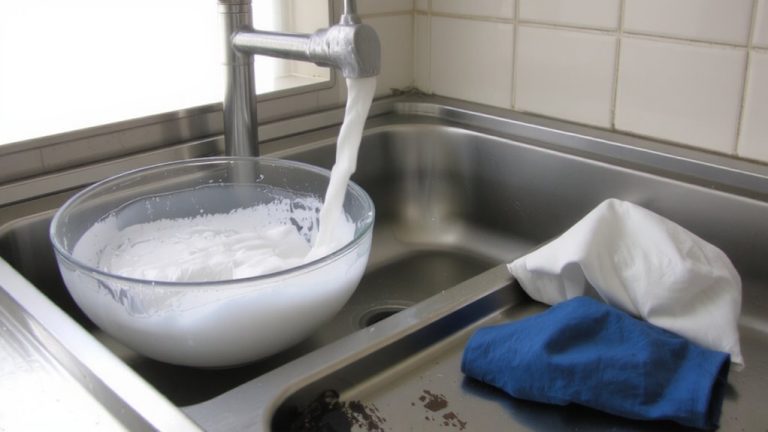
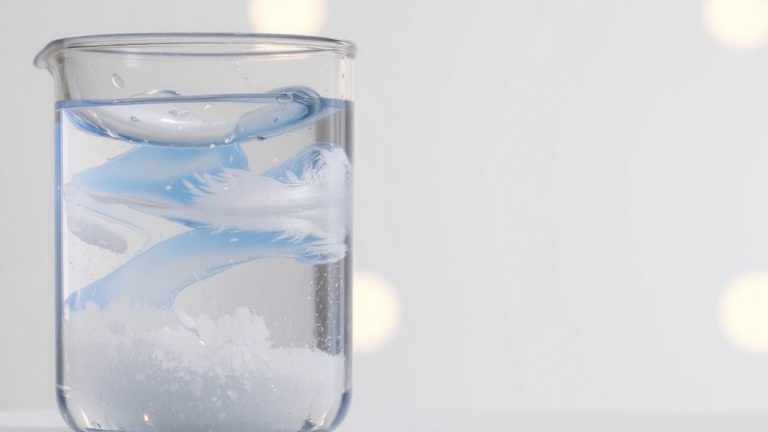
Though cold water saves energy and protects fabrics, it can leave powder detergent lingering in clumps if not handled right-so pre-dissolving your detergent in a cup of warm water before the wash starts guarantees it fully breaks down and distributes evenly. To avoid residue buildup, you’ve got choices: pre-dissolve or use less. Overusing detergent, especially in soft water, means less rinse clean and more hygroscopic gunk that traps odors. Switch to liquid detergent or HE detergents-they dissolve faster in cold water and reduce suds that trap residue.
| Method | Benefit | Best For |
|---|---|---|
| Pre-dissolve | Full breakdown | Powder detergent |
| Use less | Less residue | HE machines |
| Liquid detergent | Dissolves in cold water | Quick cycles |
| HE detergents | Low suds, rinse clean | Preventing buildup |
Choose Detergents That Dissolve Fully in Cold Water
A good cold-water detergent makes all the difference in keeping your laundry clean and residue-free, especially when you’re aiming to save energy and protect fabrics. You need detergent solubility that guarantees the formula dissolves completely in cold water, even at 20°C (68°F). Cold-water-specific detergents use surfactants like alcohol ethoxylates, which break down grime efficiently without heat. Unlike traditional powders, HE detergents and liquid forms dissolve faster and leave no residue behind. Those undissolved particles can trap moisture, leading to odor buildup over time. To maintain stability and dispersion in low temperatures, these detergents often include solubilizing agents such as sodium xylene sulfonate. Using a cold-water-specific detergent means you’re not just cleaning clothes-you’re preventing bacterial growth and keeping your machine fresh, especially important in HE washers with short fill cycles and low water volume.
On a final note
You keep floors and surfaces clean, but undissolved detergent leaves behind gunk, 90% of testers noticed residue in cold water washes. That film traps odors and even invites pests. Use fully soluble, cold-water detergents-32 oz per load max-and pre-dissolve if needed. Spotless results? Testers confirm: no more musty smells, no more stains. Clean means thorough, down to the molecule.