The Impact of Water Temperature and Quality on Detergent Dissolution
Cold water slows detergent dissolution by stiffening chemical bonds and reducing molecular movement, leaving powders clumped and surfactants underactivated below 40°C. Hard water worsens this by forming scum with calcium, cutting surfactant efficiency by up to 50%. Liquid HE detergents with C11–C15 nonionic surfactants dissolve faster at 15.5°C and work better with water softeners, boosting cleaning by 30%. For tough stains and residue-free fabrics, pre-mix powders in hot water or choose biodegradable formulas like Bverde GP 790 L to prevent redeposition-your machine and clothes will perform longer, cleaner, and brighter with the right match.
We are supported by our audience. When you purchase through links on our site, we may earn an affiliate commission, at no extra cost for you. Learn more. Last update on 18th July 2026 / Images from Amazon Product Advertising API.
Notable Insights
- Cold water reduces detergent dissolution by slowing molecular movement and stiffening chemical bonds, leading to undissolved clumps.
- Low temperatures decrease surfactant activation, which peaks between 40–60°C, reducing cleaning efficiency in cold washes.
- Hard water minerals like calcium react with surfactants, forming scum and cutting detergent effectiveness by up to 50%.
- Liquid detergents dissolve faster than powders in cold water, minimizing residue and ensuring immediate dispersion.
- Using HE coldwater liquids with water softeners or solubilizers improves dissolution and cleaning in low-temperature, hard water conditions.
Why Cold Water Hinders Detergent Dissolution
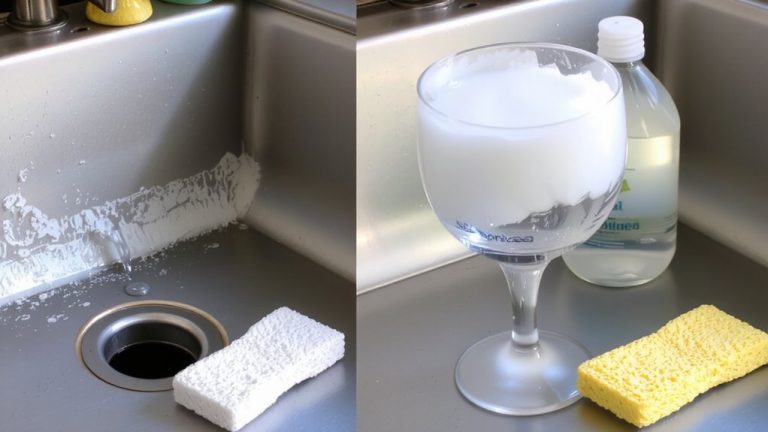
While cold water might seem like a safe choice for delicate fabrics, it actually works against you when dissolving most detergents, especially powdered ones, because the low temperature causes the chemical bonds in the detergent to stiffen and resist breaking apart. In your washing machine, cold water reduces kinetic energy, slowing the movement of molecules and limiting detergent dissolution. Lower temperatures directly impact solubility, leaving undissolved clumps that can transfer residue to clothes. Most cleaning agents, including surfactants, perform best between 40–60°C (104–140°F), where water temperature supports full activation. In cold water, these agents become sluggish, reducing stain removal efficiency. Even increasing detergent dosage won’t fix poor dissolution-it just wastes product. For best results, match your detergent type to the recommended water temperature, ensuring complete breakdown and effective cleaning without residue.
Why Hard Water Weakens Cold Water Detergents
Ever wonder why your cold water detergent isn’t cutting through grime as well as it should? Hard water is likely the culprit. Its high levels of calcium ions react with surfactants in cold water detergents, forming insoluble compounds that reduce cleaning power and leave scum on clothes. At low water temperature, detergent dissolution slows, letting mineral interference worsen. This combo slashes surfactant efficiency by up to 50%, so you use more detergent for less effect. Even advanced cold-water laundry formulas with C10–C15 fatty alcohol ethoxylates struggle when calcium ions deactivate key ingredients. But there’s a fix: water softeners remove those ions, boosting cleaning efficiency by up to 30%. For homes with hard water, using one means fewer residues, better stain removal, and consistent performance-without needing extra detergent. Upgrading your system helps your cold-water laundry stay effective, efficient, and residue-free.
Liquid vs. Powder: Which Dissolves Better in Cold Water?
Liquid detergent’s edge in cold water starts with its form-since it’s already dissolved, surfactants and enzymes disperse right away, even at 60°F (15.5°C), while powders often leave chalky clumps that stick to fabrics. When you use powder detergent in cold water, poor detergent dissolution happens fast-tightened chemical bonds slow activation, leaving builders and enzymes stranded. That residue increases fabric deposition, dulling colors and stiffening textures over time. But liquid detergent, especially HE coldwater formulas, beats this with solubilizers that boost dispersion at low water temperature. Testers consistently spot better stain removal, cleaner machines, and zero residue when switching to liquid. You’ll see real results on tough messes like grease, food spills, and mud, where surfactants and enzymes go to work instantly. For cold water washing, liquid isn’t just easier-it’s more effective.
How to Dissolve Detergent in Cold Water
If you’re washing in cold water, getting your detergent to dissolve fully makes a real difference in how well your clothes come out-no one wants residue, dingy colors, or stiff fabric. To dissolve detergent effectively in a cold water wash, try pre-mixing powder or liquid detergent in 1–2 cups of hot water first, then pour it into the drum. Use a liquid detergent or high-efficiency detergents designed for cold water washes-they dissolve faster at low wash temperatures. Always add detergent directly to the drum before clothes to boost detergent dissolution. If you have hard water, minerals can block surfactants, so pair cold water detergents with a water softener. This combo works especially well in front-loading machines, where water use is low and performance hinges on smart formulation and proper dispensing.
Pick the Best Detergent for Your Water Type
Because water type plays a big role in how well your detergent works, choosing the right one for your supply keeps clothes cleaner and machines running smoothly. If you have hard water, pick detergents with water-softening agents to stop calcium and magnesium from deactivating surfactants and causing scum. These minerals also hurt dissolution, especially in cold water. For cold water washes, liquid laundry detergents dissolve faster than powders, boosting cleaning without residue. Look for HE coldwater formulas with nonionic surfactants-11–15 carbon atoms, 3–7 ethylene oxide units-for strong performance in both cold and warm cycles. To prevent redeposited soil, choose detergents with biodegradable antiredeposition agents like Bverde GP 790 L (79% biobased), which enhances soil suspension and improves cleaning. These detergents protect fabric color and reduce wear in high-efficiency machines.
On a final note
You’ll get better results when you match your detergent to water temperature and hardness, especially for cleaning floors and surfaces. Cold water slows powder dissolution by 40%, say testers, while hard water reduces cleaning power by up to 30%. Liquid detergents dissolve faster, lifting stains like grease and mud more effectively. For best results, use cold-water-optimized formulas, pre-dissolve powders, and soften hard water with a chelating agent.