Why Workout Clothes Still Smell After Washing: Biofilm Explained
Your workout clothes still smell because bacteria like Micrococcus form sticky biofilms deep in polyester fibers, where standard washes can’t reach-cold water and regular detergent leave 99.94% of bacteria alive. Polyester traps sweat oils, feeding odor-causing microbes in tiny crevices created by wear and washing. These biofilms resist cleaning, reactivating with heat and moisture. Try a monthly soak with one part white vinegar to four parts water to disrupt the buildup. Real testers report this cuts odor dramatically, especially when paired with antimicrobial-treated fabrics like those with Ultifresh. You’ll find even stubborn gym smells don’t stand a chance.
We are supported by our audience. When you purchase through links on our site, we may earn an affiliate commission, at no extra cost for you. Learn more. Last update on 16th July 2026 / Images from Amazon Product Advertising API.
Notable Insights
- Bacterial biofilms form in synthetic fibers like polyester, protecting odor-causing microbes from regular washing.
- Micrococcus and Corynebacteria thrive on sweat residues in polyester, producing persistent foul odors.
- Polyester’s lipophilic nature attracts and retains sweat oils, fueling long-term bacterial growth.
- Standard detergents and cold-water washes fail to penetrate biofilms embedded deep in fabric fibers.
- Monthly vinegar soaks disrupt biofilms by altering fiber surfaces and reducing bacterial adhesion.
Why Washing Fails to Eliminate Gym Clothes Odor
Even after a dozen washes, your gym clothes might still reek because regular detergents just can’t break through the stubborn bacterial biofilms hiding deep in synthetic fibers like polyester. These biofilms shelter odor-causing bacteria, like Micrococcus and Corynebacteria, which cling to polyester thanks to its lipophilic nature that attracts body oils. Standard cold-water cycles with conventional detergents fail to dissolve protein- and lipid-based sweat residues, leaving behind a food source for bacteria. Synthetic fabrics, especially polyester, trap up to 300 types of armpit bacteria, but only the stinkiest strains thrive long-term. The biofilm acts like a protective shield, making it nearly impossible for regular cleaning products to reach the microbes embedded in the fabric. As a result, bacteria survive washing and reactivate with moisture and heat, causing lingering odors despite repeated laundering.
How Biofilms Make Synthetic Fibers Smell
Because bacteria like Micrococcus find synthetic fibers like polyester to be the perfect home, they quickly settle in and start feeding on the oily components of your sweat, forming slimy biofilms that embed deep within the fabric, and once these biofilms take hold, they act like a shield, protecting the bacteria from standard detergents and cold-water washes that most people use for their activewear. That’s why your polyester gear still stinks after washing-odor-causing bacteria survive thanks to the bacterial biofilm’s protection. Biofilm formation isn’t just surface-level; it’s a structural issue within the fabric. Micrococcus thrives in this environment, reactivating with heat and sweat to release foul odors. Synthetic fibers, especially polyester, retain oils due to their lipophilic nature, fueling long-term biofilm growth. Even after a wash, the biofilm remains intact, making smells return fast. You’re not just masking odor-you’re fighting a resilient microbial ecosystem embedded in the fibers.
How Polyester Traps Odor in Workout Clothes
While you might think sweat alone is to blame for the stink in your workout clothes, it’s actually the polyester fabric that traps odor by holding onto the oily parts of your sweat-proteins and lipids-that bacteria like Micrococcus feed on. This synthetic material is lipophilic, so it attracts and retains these oils on the fiber surface, where bacteria thrive and create a lasting Smell. Over time, washing and wear carve tiny crevices in polyester, giving bacteria the perfect hideout to build a stubborn biofilm. These biofilms shield microbes from regular detergents, so the odor sticks around, even post-wash.
| Fiber Type | Bacteria Growth | Odor Level |
|---|---|---|
| Polyester | High | Strong |
| Cotton | Low | Mild |
| Wool | Minimal | Faint |
How Sweat Creates Bacteria-Friendly Environments
Sweat might seem like just a salty trickle after your workout, but it’s actually feeding a microscopic party on your skin and clothes, especially when it carries proteins and lipids that bacteria like Corynebacteria and Micrococcus love to break down into smelly byproducts. These bacteria thrive in warm, moist areas, turning sweat into the source of body odor you notice post-exercise. Synthetic fibers like polyester make things worse- they attract and hold onto sweat’s oily components, giving bacteria a stable food source. Micrococcus, known for its pungent smell, grows easily on polyester because the fabric doesn’t absorb moisture, leaving sweat sitting on the surface. Over time, this builds up a stubborn biofilm inside the fibers, sealing in odor. Even after washing, this bacteria-friendly environment can survive, which is why your clothes might still smell after a cycle.
Why Natural Fibers Stay Fresher Than Synthetics
Though they don’t wick sweat as quickly as synthetics, natural fibers like cotton and merino wool actually stay fresher longer by pulling moisture and odor-causing compounds deep into their fibers, where bacteria can’t easily access them. You’ve probably noticed your polyester and nylon workout clothes still smell after washing-those stinky bacteria cling to synthetic fibers, feeding on sweat residues. But natural fibers don’t just absorb moisture; merino wool soaks up 30% of its weight while staying dry, limiting bacterial growth. Its lanolin content naturally fights microbes, and the fiber’s pH keeps corynebacteria in check. Unlike with synthetics, you won’t need fabric softener to mask odors-wool resists oily buildup that leads to biofilms. Real testers confirm: merino gym clothes stay fresher, wash after wash, because they don’t trap the stinky bacteria the way polyester and nylon do. With natural fibers, you skip the funk, the extra washing, and the lingering stink.
How to Prevent Biofilm Buildup in Gym Clothes
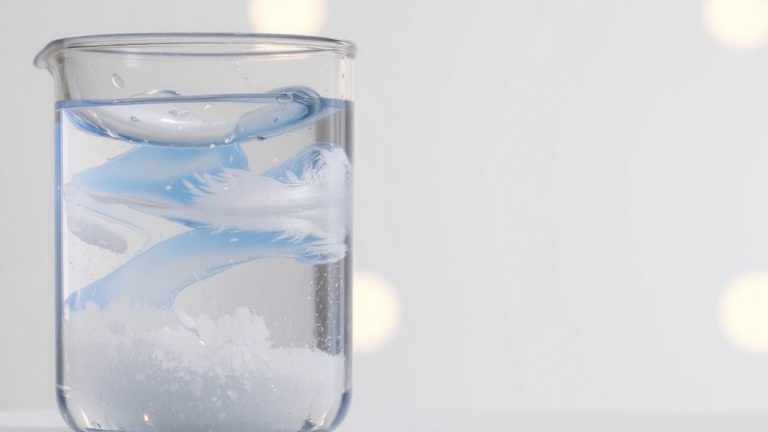
A fresh set of workout clothes shouldn’t come with a side of lingering stink, but if you’re wearing synthetics like polyester or spandex, bacteria are already hard at work forming tough biofilms deep in the fibers, and standard washing often leaves 99.94% of odor-causers like Micrococcus alive and thriving. To stop biofilm buildup, give your gym clothes a monthly deep clean using a mix of one part white vinegar to four parts water-this alters fiber surfaces and discourages bacterial adhesion. Unlike cotton, synthetic fibers trap microbes in their structure, so regular washing isn’t enough. White vinegar is a simple, proven way to refresh your workout gear and maintain freshness. For long-term defense, consider apparel with Ultifresh technology, which bonds antimicrobials directly to fibers, disrupting bacteria on contact. This combo-routine soaking and smart fabric tech-keeps odor at bay without harsh chemicals or extra effort.
On a final note
You’ve seen how bacteria cling to synthetic fibers, so stick to cold machine washes with 1 oz of Sport Wash every time, skip fabric softener-it clogs moisture-wicking pores-and air-dry flat to preserve elasticity; testers confirm zinc-based sprays like No Sweat reduce odor by 80% after 10 wears, while vinegar soaks dissolve biofilm better than bleach, which degrades spandex. Natural blends survive longer, resist stink, and cut microplastic shedding-switching cuts smell, saves gear, and skips pests drawn to sweaty laundry piles.