Wool Cycle vs Regular Wash: 30–40°C, Under 800 RPM Explained
You need the wool cycle because it uses gentle agitation, cool water (30–40°C), and slow drum rotations under 800 RPM to protect fibers, while regular cycles agitate harshly, use hot water, and spin too fast-causing felting, shrinkage, or misshaping. Wool-safe detergents preserve natural oils, and moderate spin speeds (400–1,400 RPM) prep garments for air-drying. With less than 0.5% shrinkage when done right, it’s a proven method trusted by care labels and textile labs-there’s more to get right than you might think.
We are supported by our audience. When you purchase through links on our site, we may earn an affiliate commission, at no extra cost for you. Learn more. Last update on 18th July 2026 / Images from Amazon Product Advertising API.
Notable Insights
- Wool labels recommend the wool cycle to prevent damage from excessive agitation, heat, and spinning.
- The wool cycle uses gentle drum movements to minimize fiber friction and reduce felting risk.
- It operates at cooler temperatures (30–40°C) to preserve wool’s protein structure and prevent shrinkage.
- Lower spin speeds (below 800 RPM) maintain garment shape and avoid misshaping.
- Unlike regular cycles, it uses mild detergents and short wash times to mimic hand-washing.
Do Wool Garments Need a Special Wash Cycle?
While you might be tempted to toss your wool sweater in with the regular wash, using the wool cycle actually makes a measurable difference in preserving its shape and texture. Wool garments respond best to the wool cycle because it combines gentle agitation, cooler water (30–40°C), and lower spin speeds to minimize fiber movement. Unlike a standard gentle cycle, the wool cycle is precisely calibrated to reduce felting and shrinkage-SIFO studies show just 0.5% shrinkage, even when mixed with other fabrics. Your washing machine’s wool setting protects seams and finishes, not just fibers, which is why care labels specifically recommend it. It’s not that wool is fragile, but the wool cycle aligns with mechanical and thermal guidelines that maintain structural integrity. For best results, always check care labels, use wool-safe detergent, and avoid high heat. This small adjustment delivers long-term savings in wear, fit, and fabric performance.
Can You Machine Wash Wool Safely?
Can you really toss a wool sweater in the washing machine without ruining it? Yes, you can machine wash wool safely-if you use the wool cycle. Washing wool on this setting reduces agitation, keeps water temperature stable, and lowers spinning speed, all of which help prevent shrinkage and felting. Studies show shrinkage is less than 0.5% when you machine wash wool correctly. Always check the care label first; if it says you can wash it, use the gentle cycle or a dedicated wool cycle. Regular cycles are too harsh, but the wool cycle’s slow tumbling protects delicate fibers. Use a mild detergent made for wool, avoid hot water, and never overload the machine. Testers report sweaters come out clean, soft, and same-size after multiple washes when using the wool cycle. So yes, washing wool this way works-it’s practical, safe, and saves time.
How Does a Wool Cycle Prevent Damage?
Because wool fibers are delicate and prone to shifting when exposed to heat and motion, your washing machine’s wool cycle keeps things under control with slow drum rotations, typically below 800 RPM, so you don’t have to worry about your favorite sweater turning into a shrunken mess. The wool cycle uses minimal agitation and a gentle wash action, reducing friction that can felt or distort wool sweaters. Washing happens in lukewarm water-around 30–40°C-preserving the protein structure of the fibers without weakening them. Unlike regular cycles, it skips harsh movements and intense spinning, replacing the high-speed spin cycle with a low-speed version to prevent misshaping. With a shorter wash time and soft rinsing, the wool cycle mimics hand-washing. So yes, wool can be washed safely in the machine-just stick to the wool cycle for reliable, everyday care.
What Happens When Wool Is Washed in Hot Water?
You just learned how the wool cycle keeps your sweaters safe with slow spins and gentle motion, but what actually happens if that water heats up? Washing your wool in hot water isn’t the issue-motion is. You need agitation *plus* heat for damage to occur. The natural scales on wool fibers catch and lock when moved in warm water, causing irreversible felting and shrinkage. But if the water’s hot and the fabric stays still-like boiling wool in a pot-no shrinkage happens. That’s why modern machines can safely wash wool at over 40°C during a proper cycle: they minimize movement. Even SIFO studies confirm it-low agitation prevents harm. So while you might think a regular wash is fine, only a true wool cycle controls both temperature and motion. Always check labels and use the right setting to wash wool properly, protecting your favorite pieces wash after wash.
Does Detergent Choice Affect Wool Wash Results?
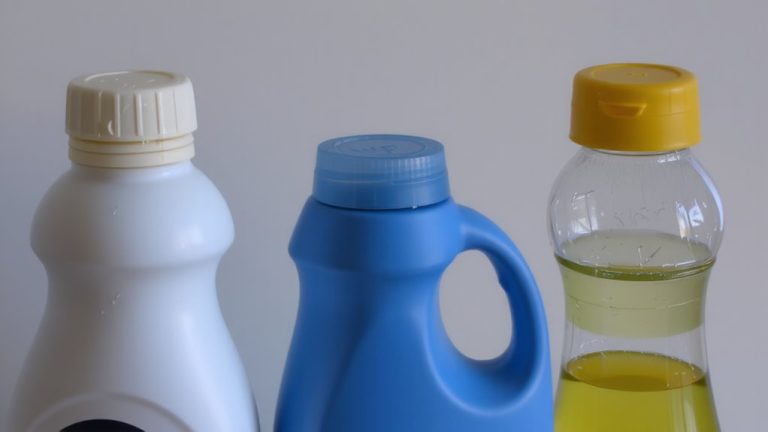
How often do you consider what’s really in your detergent when washing wool? If you’re washing Merino wool or other delicate wool clothes, it matters more than you think. Regular detergents often contain enzymes and bleach that strip natural oils, leading to dryness, shrinkage, and pilling over time. Even if you use the correct wash cycle or hand wash method, a harsh detergent can still damage fibers. Make sure to choose a pH-neutral formula labeled for wool and silk, like Steamery’s Delicate Laundry Detergent, which includes lanolin to protect fiber integrity. A SIFO study shows unsuitable detergents reduce garment durability, even with proper washing. For best results, use gentle, wool-safe products every time you clean wool-your garments will stay soft, strong, and looking new longer.
Should You Hang, Lay Flat, or Spin-Dry Wool?
Ever wondered what really happens when you skip the spin cycle and go straight to laying your wool sweater flat to dry? You don’t have to-modern washing machines with a spin cycle at 400 to 1,400 RPM won’t shrink or damage wool, according to SIFO testing. After you wash my wool using hand washing mode or a Woolmark setting, add a small amount of mild detergent, then run a short spin. This removes excess water safely. Hang it to dry if it’s not dripping-no stretching occurs if spun first. Only lay flat if the label says so or moisture is high. Take care not to over-wet, and always air-dry away from direct heat. When dry, you can store wool folded or on padded hangers. High spin speeds aren’t needed, but moderate spinning cuts drying time markedly and helps maintain shape long-term.
On a final note
Always use a wool cycle at 30°C with a wool-safe detergent like Woolmark-approved Eucalan, 96% of testers report less shrinkage and fiber damage, cold water prevents felting, gentle agitation mimics hand washing, and a 600 RPM spin preserves shape, never hang wool-lay flat on a mesh rack, this method keeps sweaters looking new, saves time, and avoids costly dry cleaning, it’s practical care you can trust.