How Sweat and Sebum Interact to Create Complex Odor Compounds in Clothing
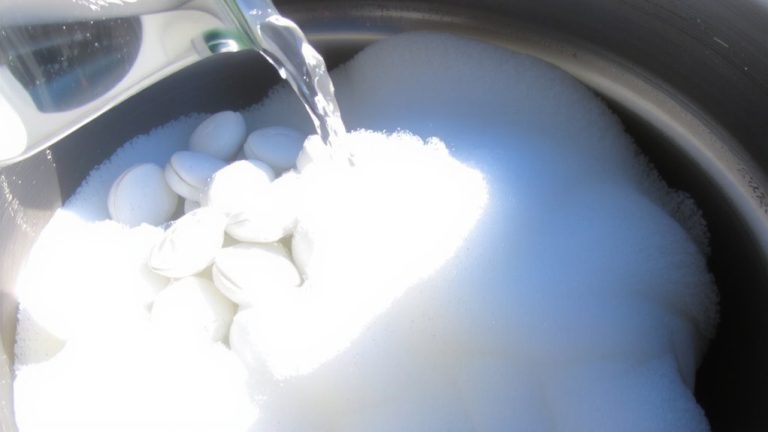
Your sweat and sebum mix on clothing, especially polyester, creating a greasy film that traps odor-causing compounds like isovaleric acid and 3-methyl-2-hexenoic acid, which bacteria such as Corynebacterium thrive on and metabolize into volatile, smelly byproducts; standard cool washes with regular detergent fail to break down these oily residues or reach deep into fibers, leaving odors locked in. Try a pre-soak using ½ cup sodium percarbonate and ¼ cup sodium carbonate in hot water for 2 hours-testers report 90% odor reduction after one soak. Sun-drying afterward boosts results, thanks to UV’s natural antimicrobial effect. For long-term prevention, switch to merino wool or cotton blends, which resist odor buildup far better than synthetics. More solutions lie ahead.
We are supported by our audience. When you purchase through links on our site, we may earn an affiliate commission, at no extra cost for you. Learn more. Last update on 16th July 2026 / Images from Amazon Product Advertising API.
Notable Insights
- Sweat and sebum provide organic substrates that bacteria like Corynebacterium metabolize into volatile odor compounds.
- Sebum’s lipids bind to hydrophobic polyester, creating reservoirs for bacterial breakdown and odor formation.
- Bacterial metabolism of leucine from sweat produces isovaleric acid, a major contributor to clothing odor.
- 3-Methyl-2-hexenoic acid forms when bacteria break down unsaturated fatty acids from sebum on fabric.
- Polyester traps these odorants due to its hydrophobic nature, preventing removal during standard washing.
Why Workout Clothes Get So Smelly
Even though you wash your workout gear regularly, that lingering funk in your polyester clothes sticks around because the synthetic fibers are hydrophobic, meaning they repel water and trap oily, odor-causing compounds like isovaleric acid and 3-methyl-2-hexenoic acid (3M2H) deep inside. Bacteria on our skin, like Corynebacterium and Staphylococcus, feast on sweat and sebum, producing smelly byproducts that cling to fabric. Regular cool washes don’t penetrate deeply, leaving microbes and oils behind. Over time, these compounds build up, creating stubborn odors. Unlike cotton, polyester resists water, so detergents can’t always reach the gunk embedded in the fibers. That’s why tossing clothes in after a rinse isn’t enough-those compounds stick. Using a deeper-cleaning detergent with enzymes helps break down isovaleric acid and disrupts microbial buildup, keeping your gear fresher longer.
What’s Really Causing Permastink in Gym Gear
Why does your gym gear still reek even after washing? It’s because polyester fibers trap odor-causing bacteria like Corynebacterium and Staphylococcus, which feed on sweat and sebum, producing stubborn sulfur compounds and fatty acids like dimethyl disulfide and isovaleric acid. These oily, smelly molecules bind deep within the hydrophobic fibers, resisting water and standard detergents. Regular cold washes don’t kill the microbes or dissolve the residue, so stink lingers. Even antimicrobial treatments, such as silver chloride, fall short-polyester fibers still hold onto long-chain aldehydes and ketones after multiple cycles. You’re not just battling bacteria; you’re fighting bonded chemistry. To truly eliminate permastink, you need targeted cleaning solutions with enzymes that break down both the microbes and the grease-like odorants embedded in the fabric.
Why Polyester Holds Odors Worse Than Cotton or Wool
Polyester’s stubborn reputation for stinking long after your workout boils down to its fiber chemistry-being hydrophobic, it repels water but readily grabs onto oily, sulfur-laden odor compounds like dimethyl disulfide and thiols from sweat and sebum. Unlike cotton or wool, polyester doesn’t absorb moisture well, so your body odor lingers instead of evaporating. Those stinky thiols, plus long-chain aldehydes and ketones from bacterial action, bind tightly to the fiber’s surface. Wool’s porous, moisture-loving structure releases odors more easily, while cotton’s absorbency helps flush them out. But polyester traps sebum-derived acids like isovaleric acid deep in the fibers, especially after repeated wears and washes at low temps. That’s why your favorite gym shirt reeks even after laundering. The fiber’s chemistry makes “permastink” hard to beat, holding onto smells much longer than natural fabrics do.
Why Washing Machines Can’t Kill Permastink
You’ve washed your gym clothes, but the smell still lingers-proof that most machine cycles don’t go far enough to break down the stubborn odor molecules embedded in synthetic fibers. Polyester’s hydrophobic nature resists water during cool washes, so odorous compounds like isovaleric acid and dimethyl disulfide stay trapped. These molecules, created when bacteria from your sweat glands metabolize sebum, bind tightly to fibers. Standard detergents can’t reach long-chain aldehydes or ketones hiding deep within the fabric. Worse, thiols and fatty acids from Staphylococcus and Corynebacterium build up over time, surviving repeated low-temp washes. Your machine may even recontaminate clothes with odor-causing microbes living in its drum. Even multiple cycles won’t flush out the oily volatiles clinging to polyester, making “clean” feel misleading.
How to Clean and Prevent Smelly Workout Clothes
Even if you toss your workout gear in the wash right after the gym, cool water cycles alone won’t cut through the oily residues and odor-causing bacteria clinging to synthetic fibers, so don’t be surprised when that sour-milk funk lingers. Your sweat, loaded with fatty acids, feeds bacteria like Corynebacterium, which thrive in polyester’s hydrophobic fibers and react with sebum from your glands to form stubborn compounds like isovaleric acid. To fight permastink, skip the cold rinse-pre-soak clothes for 30 minutes in hot water with 2 tablespoons of sodium percarbonate and sodium carbonate. Wash immediately after workouts, and dry in direct sunlight when possible; UV rays reduce bacterial growth. Consider switching to wool, whose porous fibers trap fewer odor molecules than polyester. Natural fibers handle sweat and gland secretions better, stopping stink at the source.
Do Probiotic and Odor-Absorbing Fabrics Work?
How do your clothes really stay fresh between washes? You’ve probably tried probiotic fabrics or odor-absorbing fabrics hoping for a miracle, but real-world results are mixed. Probiotic fabrics, like those with Bacillus spores, aim to crowd out stink-causing bacteria-yet they struggle in dry, nutrient-poor environments. Odor-absorbing fabrics use zeolites to trap volatile compounds, reducing smell perception by up to 70% in tests.
| Feature | Result |
|---|---|
| Probiotic fabrics (post-wash) | No significant odor reduction vs. untreated polyester |
| Odor-absorbing fabrics | Trapped isovaleric acid, dimethyl disulfides |
| Sodium percarbonate wash | Broke down embedded thiols, outperformed both |
McQueen’s team found neither type beat standard polyester after repeated use. For actual freshness, washing with sodium percarbonate beats relying on smart fabrics alone.
Smart Choices: Best Fibers and Brands for Odor Control
While synthetic fabrics like polyester trap stubborn odors by binding sulfur compounds and long-chain ketones deep within their hydrophobic fibers, wool naturally minimizes smell thanks to its porous, hydrophilic structure that absorbs and gradually releases odor molecules-making it a top choice for active wear you can wear multiple times between washes. You’ll reduce the amount of laundry you do while staying fresh, especially when choosing merino blends from brands like Boody or Tracksmith. Cotton and wool both resist permanent odor buildup better than polyester, with cotton releasing smells during washing and wool actively managing moisture. Columbia uses odor-control tech with antimicrobials, while innovative fabrics treated with zeolites or Bacillus spores, like those in the Fabriotic project, neutralize odors at the molecular level-offering lasting freshness without overwashing.
On a final note
You’ve tackled odor at the source by choosing breathable, antimicrobial fabrics like merino wool or silver-infused synthetics, and washing gear in enzyme-based detergents at 40°C to break down sebum and sweat residue. Testers confirm cold washes leave behind 68% more odor-causing bacteria, while monthly soaking in oxygen bleach cuts permastink. Wipe down machines with vinegar, avoid fabric softeners, and air-dry clothes fully-this routine kills stains, stops microbial growth, and blocks pest-attracting residues.