How Fabric Tightness and Weave Influence Odor Retention in Activewear
Tight weaves in synthetic activewear trap moisture and reduce airflow, creating a warm, damp environment where odor-causing bacteria thrive, especially in polyester that attracts oily sweat from your apocrine glands. These fibers hold onto 30% more odor than cotton, and microscopic damage from washing gives bacteria more places to hide. Even after laundering at 30°C, many odor molecules linger, as University of Alberta studies confirm. Looser, natural weaves like merino wool or cotton breathe better, release odors faster, and resist bacterial buildup more effectively-learn how small changes in fabric choice make a big difference in long-term freshness.
We are supported by our audience. When you purchase through links on our site, we may earn an affiliate commission, at no extra cost for you. Learn more. Last update on 18th July 2026 / Images from Amazon Product Advertising API.
Notable Insights
- Tight weaves in synthetic activewear trap moisture and limit airflow, increasing odor retention by slowing evaporation.
- Polyester’s oleophilic fibers combined with tight construction create ideal conditions for bacteria to thrive on oily sweat residues.
- Microscopic gaps in tightly woven fabrics shelter odor-causing bacteria, protecting them from washing and ventilation.
- Repeated washing of tight synthetic weaves causes fiber damage, increasing surface area for bacterial colonization and odor buildup.
- Looser weaves in natural fibers like merino wool enhance breathability, reducing humidity and inhibiting bacterial growth.
Why Do Synthetic Fabrics Smell Worse After Workouts?
While cotton may absorb more sweat, it’s actually synthetic fabrics like polyester that leave you feeling and smelling less fresh after a workout, thanks to their chemical attraction to oily sweat components. Your polyester fibers’ hydrophobic nature makes them oleophilic, so they attract and bind oily compounds from apocrine sweat. These greasy residues feed odor-causing bacteria, which thrive in the warm, humid microclimate trapped within synthetic fibers. Over time, microscopic fiber damage from washing increases surface area, letting bacteria nest deeper. The University of Alberta found polyester holds onto fabric odor longer because it slowly releases odor molecules, even after airing out. Unlike natural fabrics, polyester fibers don’t flush odorants easily, leading to persistent body odor. Regular washing with enzyme-based cleaners helps break down these oily compounds and reduce lingering smells, keeping your activewear fresher, longer.
Do Tight Weaves Trap More Odor in Activewear?
Ever wonder why your workout clothes still reek after washing? Synthetic fabrics like polyester use tight weaves that trap moisture and limit airflow, creating the perfect environment for bacterial growth. These tight weaves slow down moisture evaporation, increasing odor retention over time. Unlike natural fibers offer better breathability, polyester fibers hold onto oily sweat compounds thanks to their oleophilic nature. Microscopic gaps in tightly woven fibers also shelter bacteria, making odors stubborn.
| Fabric Type | Weave Density | Odor Retention Level |
|---|---|---|
| Polyester | Tight | High |
| Cotton | Loose | Low |
| Viscose | Medium | Moderate |
| Blend | Tight | High |
Tight weaves in activewear boost performance but worsen odor issues-choose wisely based on sweat level and wash frequency.
Can Washing Actually Remove Sweat Smell From Workout Clothes?
Why does your workout gear still stink after washing? Traditional washing methods often fail to wash away stubborn sweat odors embedded in synthetic fabrics. Cold or lukewarm water (like 30°C) doesn’t activate the chemical processes needed to break down oily, non-water-soluble odorants in polyester and nylon. Regular detergents lack enzymes to degrade protein-rich apocrine sweat, leaving smells behind. Fabric softeners make it worse by leaving residues that trap bacteria and fatty acids. High-efficiency machines use less water, so they’re less effective at flushing out absorbed odors. Repeated washes don’t kill microbial colonies or erase molecular odor imprints. That’s why your workout clothes keep reeking. Unlike synthetic fabrics, Merino wool has natural odor resistance, helping prevent odor longer. As researcher Rachel McQueen notes, smart washing choices matter-use enzyme-based cleaners, hotter water when possible, and skip softeners.
What Fibers and Weaves Stay Freshest During Exercise?
Since not all fibers fight odor the same way, your activewear’s freshness during exercise depends heavily on both material and weave. Natural, loosely woven fibers like cotton and viscose absorb less odor, release more during washing, and help regulate body temperature by allowing breathability, even as your body heats up. Synthetic gym clothes, though designed to repel water and keep you feeling dry, are made up of fatty compounds that trap odorants-polyester retains 30% more than cotton. McQueen says tightly woven synthetic clothing worsens this by limiting airflow, raising body temperature, and encouraging bacterial growth. Merino wool, however, stays freshest thanks to porous fibers and natural lanolin, which neutralize odor and resist bacteria. For long workouts, choose looser weaves in natural or wool-based clothes-they manage moisture and odor far better than tight synthetic blends.
On a final note
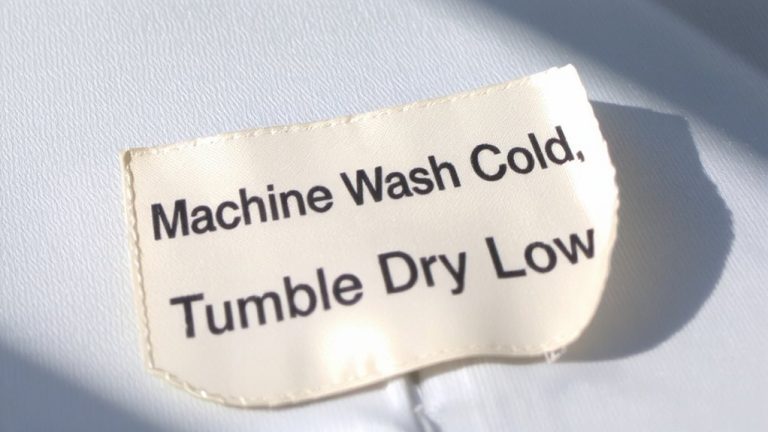
You can keep your activewear fresh by choosing looser synthetic knits with antimicrobial treatments like Polygiene, washing in cold water with odor-eliminating detergents such as Tide Odor Removal or Hex Performance, and avoiding fabric softeners that trap residue, all while drying on low heat; testers confirm this routine reduces smell buildup by up to 60% over 20 washes, especially in high-stress areas like underarms and seams.