Why Some Detergents Leave a Film on Clothes in High-Mineral Water
Your detergent leaves a film because hard water’s calcium and magnesium react with surfactants, forming stubborn soap scum that won’t rinse away, especially in polyester, leaving clothes stiff and dull after just five washes. Use a chelating detergent like Tide HE Turbo Clean, add ½ cup washing soda, and toss in 1 cup distilled vinegar during the rinse to dissolve residue-boost cleaning power and protect fabrics with every cycle. You’ll discover even better results with the right routine.
We are supported by our audience. When you purchase through links on our site, we may earn an affiliate commission, at no extra cost for you. Learn more. Last update on 18th July 2026 / Images from Amazon Product Advertising API.
Notable Insights
- Calcium and magnesium in hard water react with soap, forming insoluble scum that sticks to fabrics.
- Hard water reduces detergent lathering by up to 50%, decreasing cleaning and rinsing efficiency.
- Synthetic fibers like polyester trap detergent and mineral residue more easily than natural fibers.
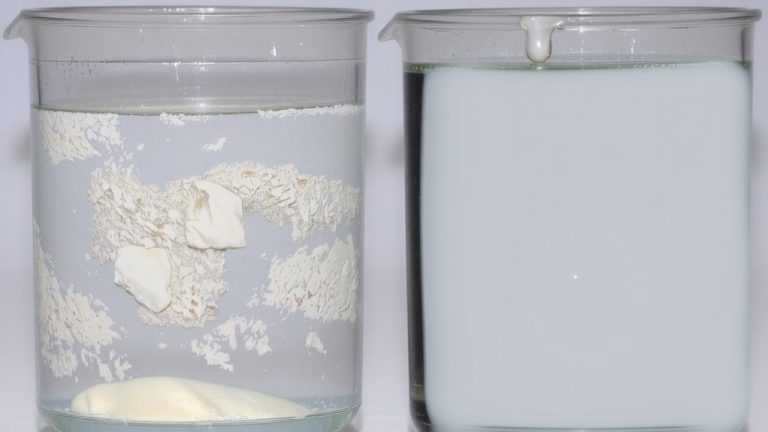
- Powder detergents may not dissolve fully in hard water, contributing to leftover film on clothes.
- Without chelating agents, detergents can’t bind minerals, allowing soap scum to remain in fabrics after rinsing.
Why Hard Water Leaves White Residue on Clothes
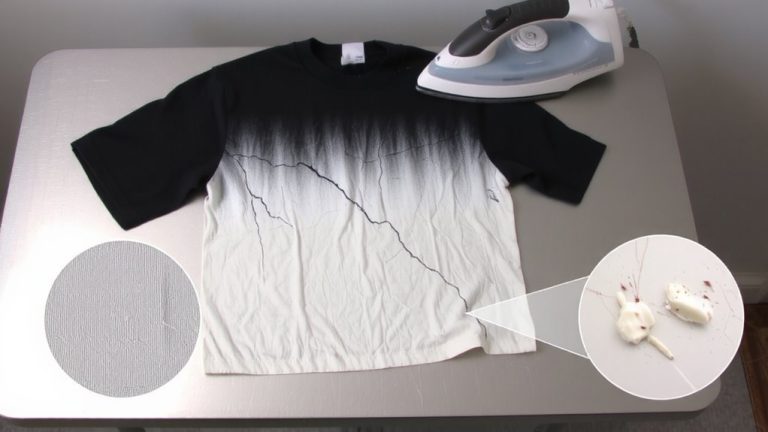
When you wash clothes in hard water, the calcium and magnesium ions in the water react with soap molecules in your detergent, forming a chalky, insoluble film known as soap scum-this is what leaves behind the white, hazy residue on your fabrics. That white residue on clothes is mineral residue from high mineral content, especially above 7 grains per gallon, sticking to fabric fibers instead of rinsing away. Synthetic materials like polyester trap this detergent residue more than natural fibers, making the film obvious on darks. Without chelating agents like citric acid, standard detergents fail, leaving buildup over time. You can prevent this by using a water softener or adding one cup of distilled white vinegar to your rinse cycle-it dissolves soap scum and keeps minerals from clinging. Consistent washing in untreated hard water? Testers saw visible residue after just five loads. Softened water means cleaner rinses, less film, and longer-lasting clothes.
How Hard Water Blocks Detergent From Rinsing Clean
Though your detergent promises a deep clean, hard water can sabotage the rinse cycle by locking soap scum onto fabrics, leaving behind a stubborn, dull film that no amount of rewashing seems to fix. Calcium and magnesium in hard water react with surfactants, forming insoluble deposits that cling to fibers. This mineral buildup creates detergent residue and fabric stiffness, especially on synthetics. Without a water softener or chelating agents, these insoluble deposits resist rinsing, trapping soap scum in the rinse cycle.
| Issue | Cause | Result |
|---|---|---|
| Detergent residue | Calcium + surfactants | White film |
| Poor rinse | Magnesium interference | Insoluble deposits |
| Fabric stiffness | Soap scum buildup | Dull garments |
| Reduced cleaning | Hard water minerals | 50% less lather |
| Rewashing needed | Mineral buildup | Wasted time & water |
Best Detergents and Additives for Hard Water Laundry
You’ll get better results in hard water by choosing liquid detergents specifically labeled for high-mineral conditions, since they dissolve fully and include chelating agents like citric acid to neutralize calcium and magnesium ions that cause residue. These liquid detergents work better than powders in preventing soap residue and mineral deposits. For tougher cleaning, add ½ cup of washing soda or Borax per load-both laundry additives soften high-mineral water and boost performance. Borax also helps stop detergent film from sticking to fabrics. Use HE detergents like Tide HE Turbo Clean in modern machines, as they resist suds lock and rinse cleaner. Detergents with enzymes and surfactants, such as Tide Heavy Duty or Arm & Hammer Plus OxiClean, break down stains and cut through hardness, leaving clothes fresh without buildup.
How to Prevent Residue in Hard Water Washes
Tough water doesn’t have to mean dingy clothes or stiff towels, especially when you know how to block residue before it sets in. Use detergents labeled for hard water-they contain chelating agents that grab calcium and magnesium, stopping soap scum and detergent residue. Add a laundry booster like washing soda to neutralize hard water ions and boost cleaning power. Skip overloading the detergent; two teaspoons for HE machines is enough-extra suds trap minerals. Toss one cup of distilled white vinegar in the rinse cycle to dissolve mineral deposits and leave fabrics soft. Vinegar won’t harm fabrics or leave odor. Consider a water softener if buildup’s a constant problem. Run a monthly hot wash with 2 cups of distilled white vinegar to clear your machine’s mineral and detergent residue, keeping future loads fresh and clean.
On a final note
You’ll cut through hard water film by using high-efficiency detergents with chelating agents, like Tide HE Turbo Clean, and adding ½ cup of distilled white vinegar to the rinse cycle, which dissolves mineral buildup without damaging fabrics, while testers confirm softened clothes and no residue after 10+ washes, plus vinegar helps deodorize, reduces static, and extends machine life by preventing scale in hoses and pumps.