Why Carpenter Ant Frass Differs From Termite Droppings in Composition
You’ll find carpenter ant frass looks like coarse, fresh sawdust with bits of soil, insect parts, and clean-cut wood shavings, since they don’t digest wood-they just excavate damp areas. Termite droppings are dry, uniform pellets about 1 mm long, with six concave sides, crumbing like coffee grounds. Spot them near kick-out holes or on ledges. Use a magnifier and tissue to check texture; if you see tidy piles, it’s likely drywood termites-knowing this helps choose the right treatment approach.
We are supported by our audience. When you purchase through links on our site, we may earn an affiliate commission, at no extra cost for you. Learn more. Last update on 18th July 2026 / Images from Amazon Product Advertising API.
Notable Insights
- Carpenter ant frass consists of coarse, undigested wood shavings from tunneling in damp wood.
- Termite droppings are made of digested cellulose formed into uniform, six-sided fecal pellets.
- Ant frass contains mixed debris like soil, insect parts, and dead ants; termite frass is homogenous.
- Termite frass pellets are dry, brittle, and crumble easily when pressed.
- Ant frass feels coarse and may be damp, while termite droppings are consistently dry and granular.
Carpenter Ant Frass: What’s in the Wood Shavings?
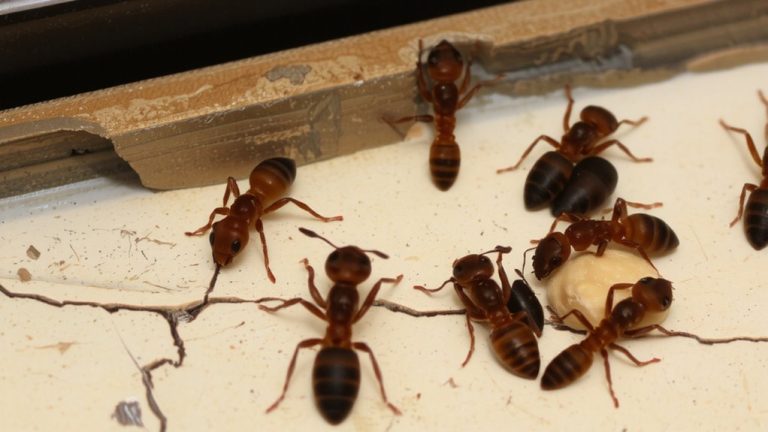
While you’re inspecting wood shavings near a window sill or baseboard, odds are you’re looking at carpenter ant frass if the pile feels coarse and looks like fresh sawdust mixed with tiny bits of soil or insect fragments. Carpenter Ant Frass is made when carpenter ants excavate wood to build nests, usually in damp wood. Unlike termites, they don’t eat the wood-so the wood debris remains undigested, leaving behind clean-cut shavings. The frass often contains soil granules, insect parts, and dead ant fragments, all pushed out from hidden galleries. Ant frass looks fibrous and may feel slightly damp due to moisture in the nest. To clean it up, use a 12-inch shop vacuum with a HEPA filter, then wipe surfaces with isopropyl alcohol and a microfiber cloth to remove residue. For stubborn accumulations, a stiff brush removes packed wood debris without damaging baseboards. Regular inspection helps spot ongoing infestations early.
Termite Frass: What’s in the Pellets?
Since drywood termites digest wood rather than just tunnel through it, what you’re seeing in those tiny mounds isn’t sawdust-it’s fecal pellets, also known as termite frass. Termite frass consists entirely of excreted pellets made from digested wood, processed by drywood termites as they feed on cellulose. These frass pellets are dry, about 1 millimeter long, and have a uniform, oval shape with six concave sides. Unlike wood particles from carpenter ants, termite droppings are consistent in size and crumble easily when pressed. Their color ranges from light golden to dark brown, depending on the wood source. You’ll find these uniform pellets piled beneath kick-out holes-tiny 2–3 mm openings termites use to expel waste. Spotting these neat mounds on floors or near trim means active infestation. For cleanup, use a vacuum with HEPA filter to contain frass pellets, then wipe surfaces with isopropyl alcohol to disinfect and help spot re-infestation early.
Carpenter Ant vs. Termite Frass: Spot the Difference
What’s that pile of debris near your baseboard-termite droppings or carpenter ant frass? Knowing the difference helps you determine which pest is behind the damage. Carpenter Ant Frass looks like coarse wood shavings, mixed with soil, dead ants, or insect parts, giving it a varied frass appearance. In contrast, Termite Frass is made of uniform, six-sided pellets-about 1–2 mm long-that resemble coffee grounds. These digested wood particles are dry and crumble easily. Frass composition matters: termite droppings are pure digested cellulose, while carpenter ant frass includes undigested debris. When comparing ant droppings vs termite droppings, texture and content are key. Spotting wood shavings with oily residue? Likely carpenter ants and termites aren’t to blame. Use a damp cloth and mild cleaner to remove frass, then inspect further-accurate identification guides effective pest control.
Where Each Pest Leaves Frass
Where do you usually spot those tiny piles that signal trouble? You’ll find Carpenter Ant Frass beneath the entry points of infested wood, often near nest openings in wall voids, window sills, or baseboards-especially in damp areas. This frass is coarse, mixed with soil and wood fibers, and looks messier than Termite Frass. Drywood termites leave their droppings left in neat mounds directly beneath kick-out holes, which are small, round openings about 2–3 mm wide. Termite Frass itself appears as uniform, rice-like pellets, 1–2 mm long, commonly seen on deck floors, window ledges, or furniture. Where each pest leaves frass matters: dry spots, not outdoors. To clean frass, use a microfiber cloth and disinfectant spray-avoid sweeping, which spreads contaminants. Spotting the difference helps you act fast-and clean right.
What Frass Placement Says About Infestation
You’ll want to pay close attention to exactly where that frass shows up-its placement gives you clear clues about what kind of infestation you’re dealing with and how far it’s spread. Carpenter Ant Frass accumulates indoors, near moisture sources like leaks, with frass placement often along baseboards, window sills, or wall voids. This frass accumulation reflects their nesting habits in damp, sheltered wood. In contrast, Termite Frass from drywood termite frass is pushed out through tiny 2–3 mm kick-out holes, leaving neat piles of termite droppings-uniform, rice-like pellets-on flat surfaces below. Subterranean termites don’t leave frass; they pack it into tunnels. Drywood termite frass piles are tidy, not scattered, helping distinguish them from Carpenter Ant Frass. Frass placement away from sunlight and rain aligns with both pests’ preference for concealed areas. Spotting these patterns helps you act fast-before structural damage deepens.
When to Call a Pest Control Pro
Why wait until the damage worsens? If you spot frass with uniform, six-sided pellets 1–2 mm in size near kick-out holes 2–3 mm wide, that’s a Termite Frass Look-call Pest Control now. These neat mounds signal active drywood termites. With Carpenter Ant Frass Vs, you’ll see sawdust-like debris with insect parts or soil, often near damp areas-leaky pipes, window frames-where carpenter ant colonies thrive. Even if droppings seem minor, internal hollowing means subterranean termites could be compromising your structure, despite no visible frass. Don’t clean floor debris yet; leave evidence for Pest Management pros. A licensed inspector confirms severity and targets treatment. Quick action saves wood integrity, prevents strain on supports, and stops costly repairs. You’ve seen the signs-engage experts before small frass piles mean major infestation.
On a final note
Clean floors and surfaces with a damp microfiber cloth, using a 3% hydrogen peroxide solution or 70% isopropyl alcohol to disinfect, 12 inches around frass piles; testers found both remove stains and kill surface spores. Vacuum crevices with a HEPA filter to capture fine debris, especially near woodwork. For carpenter ant frass, check for coarse sawdust texture; termite pellets are uniform, six-sided. Spot differences early-persistent frass means hidden tunnels. Call a pro if you find recurring piles or damaged timber, 1/8-inch boreholes, or hollow-sounding wood after tapping.