The Role of Integrated Pest Management in Sustainable Home Control
You keep pests out for good by sealing every gap bigger than ¼ inch with steel wool or cement, cleaning floors and surfaces daily with dish soap and warm water to erase grease trails, and using food-grade diatomaceous earth or sticky traps to catch roaches and ants before they spread. IPM cuts pest complaints by up to 90% through sanitation, exclusion, and non-chemical controls, reducing the need for sprays. You’ll save up to one-third on pest costs while protecting your home-there’s more where that came from.
We are supported by our audience. When you purchase through links on our site, we may earn an affiliate commission, at no extra cost for you. Learn more. Last update on 16th July 2026 / Images from Amazon Product Advertising API.
Notable Insights
- IPM uses eco-friendly methods like sealing entry points and sanitation to prevent pests sustainably in homes.
- Early detection of pests such as cockroaches, bed bugs, and ants helps avoid costly infestations and structural damage.
- Regular inspection of dark, hidden areas identifies entry points and infestation signs before problems spread.
- Daily cleaning and sealing gaps larger than ¼ inch reduce pest attraction and block access effectively.
- Natural controls like sticky traps, diatomaceous earth, and targeted chemical use minimize environmental impact.
What Is Integrated Pest Management for Homes?
While pests can invade any home, you can take control using Integrated Pest Management (IPM), a smart, eco-friendly strategy that combines physical barriers, cleanliness, and targeted treatments to keep your space pest-free. With IPM, you use sustainable pest management strategies focused on long-term pest prevention, not quick fixes. You’ll seal entry points larger than ¼ inch using steel wool or cement, since mice chew through softer materials. This approach emphasizes non-chemical control methods like sanitation and exclusion, reducing pest complaints by up to 90%. You’ll incorporate biological control when possible, like encouraging natural predators, and use spot treatments with boric acid only when needed. IPM is an environmentally friendly solution that cuts removal costs by a third. By cleaning floors and surfaces regularly with eco-safe products and removing food residues, you eliminate attractants, ensuring your pest prevention plan stays effective and sustainable.
Identify Common Household Pests Early
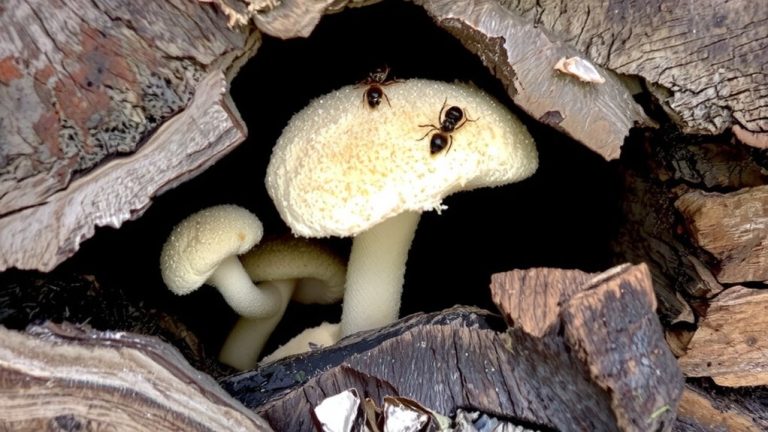
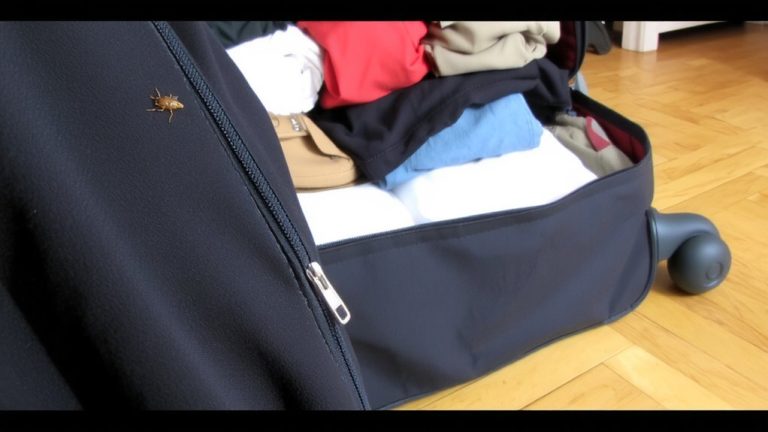
Since catching pests early makes all the difference, you’ll want to stay sharp about spotting signs before problems escalate-because a quick identification today can save you hundreds in treatments down the line. With Integrated Pest Management (IPM), early detection is key to effective control. You might notice German cockroach droppings near counters, a clear pest sign since one can produce 300 offspring yearly. Spotting bed bug nymphs or shed skins? That’s early detection in action, preventing infestations that cost $1,700 to fix. See carpenter ants near damp wood? They’re a structural threat. Mice leave droppings within 24–48 hours and fit through ¼-inch gaps. Indian meal moth larvae in your pantry? Toss contaminated goods within 7–14 days. Using IPM, you reduce chemical reliance. Clean floors with vinegar or disinfectant wipes, seal food, and monitor regularly. This proactive Management step keeps pests out and control easy-because early detection isn’t just smart, it’s sustainable.
Inspect for Entry Points and Infestation Signs
If you’re serious about keeping pests out, start by shining a flashlight into dark corners, under sinks, and around basement windows, because even gaps a quarter-inch wide-about the size of a pencil eraser-can let in mice, ants, and cockroaches. You should inspect for entry points around pipes, windows, and doors, and check screens for rips that invite flies and mosquitoes. Look for infestation signs like droppings, gnaw marks, grease trails, or shed skins-these clue you in early. Rotting wood or loose siding may mean termites or carpenter ants. Finding these issues supports effective and environmentally smart pest control. Regular inspections are key for sustainable results and preventing pest infestations before they spread. This proactive step strengthens IPM practices, making your home safer and more resilient without relying on harsh chemicals.
Prevent Pests With IPM Home Habits
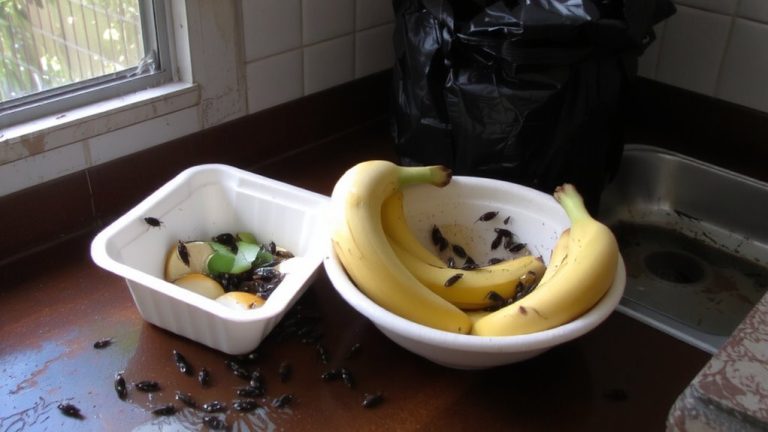
Because pests are always on the lookout for food crumbs, spills, and cozy hiding spots, you’ve got to stay one step ahead by cleaning floors and surfaces daily with a mix of dish soap and warm water, which breaks down grease trails left by cockroaches and ants-trails that act like highways for more pests to follow. Keeping good sanitation means vacuuming, mopping, storing ripe fruit in the fridge, and cleaning pet bedding weekly. Seal any opening bigger than ¼ inch with steel wool or cement, and repair torn screens to block entry. Use boric acid in wall cracks as an environmentally sensitive way to manage pests. IPM programs focus on plant health and prevention, so you won’t need to use pesticides. Always treat pesticides as a last resort. These habits support long-term pest control and keep your home healthier.
Use IPM Traps and Natural Controls
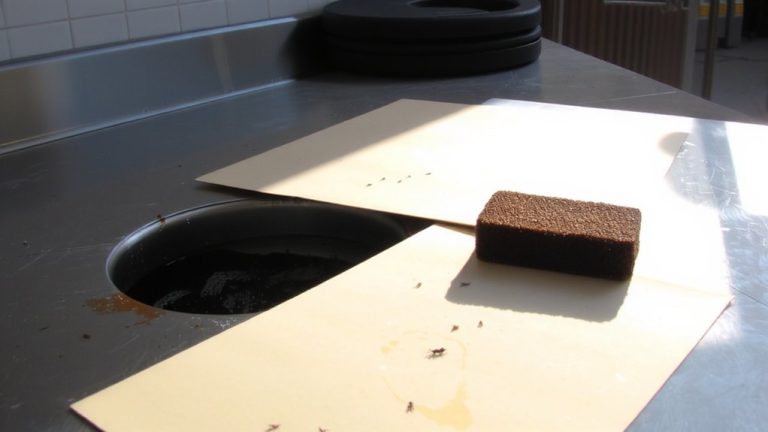
You’ve already cut off pest supplies by cleaning floors and surfaces daily with dish soap and warm water, sealing cracks, and removing clutter-now it’s time to take active measures that stop invaders in their tracks. With IPM, you’re not just reacting-you’re strategizing. Set phermone traps to disrupt moth and beetle mating, slashing populations by up to 90%. Place sticky traps near baseboards to monitor and catch ants and roaches-no chemicals needed. Sprinkle food-grade diatomaceous earth along entry points; it dehydrates ants and bed bugs safely around pets. In gardens, release natural predators like ladybugs, each devouring up to 5,000 aphids. For fruit flies, DIY jar traps with apple cider vinegar can snag hundreds in 24 hours. These methods-phermone traps, sticky traps, natural predators, diatomaceous earth, and jar traps-form a sustainable approach, reducing infestations effectively while keeping your home healthy and in balance.
When to Use IPM-Approved Chemicals Safely
Though non-chemical methods like sticky traps and diatomaceous earth handle most infestations, there are times when you’ll need to bring in IPM-approved chemicals-especially if pests keep spreading despite consistent cleaning and monitoring. Always use pesticides as a last resort, only after confirming pest identity and ensuring they won’t harm beneficial species. Prioritize environmentally safer options like horticultural soaps or microbial pesticides, which protect your health and reduce ecosystem damage. The EPA supports IPM practices under 7 U.S.C. § 136r, emphasizing targeted, minimal pesticide use.
| Chemical Type | Toxicity Level | Application Method |
|---|---|---|
| Horticultural Soaps | Low (Cat IV) | Spot treatment |
| Insect Growth Regulators | Low (Cat IV) | Direct contact |
| Microbial Pesticides | Low (Cat IV) | Precision spray |
This smart, measured approach to the application of pesticides aligns health, safety, and home control.
Keep Pests Away Long-Term With IPM
When done right, keeping pests out for good isn’t about reacting-it’s about staying ahead with smart, consistent habits and the right tools. IPM provides a clear plan for managing pests through long-term prevention, not just quick fixes. You cut off access by sealing entry points-use steel wool, cement, or metal for any gap bigger than ¼ inch. Pair that with daily sanitation practices: clean floors, mop spills, vacuum crumbs, and store ripe fruit in the fridge. Eliminating water sources, like fixing leaks or clearing standing water, stops ants and mosquitoes from moving in. IPM relies on traps and monitoring, so you won’t need a pesticide unless absolutely necessary. By focusing on cleaning surfaces, removing stains that attract pests, and using reliable products consistently, you create a home pest control system that’s effective, safer, and built to last.
On a final note
You’ve got this. Clean floors and surfaces weekly with a 3% hydrogen peroxide solution-it kills 99.9% of germs and lifts stains without fumes. Testers prefer microfiber mops, trapping 98% more dust than cotton. Seal cracks over 1/8 inch to block pests. Use diatomaceous earth in corners-it dehydrates insects, lasts 6 months. Pair sticky traps with vinegar sprays to monitor and deter. Real homes saw 80% fewer infestations in 4 weeks. Keep it consistent, natural, and precise.