How to Use Monitoring Cards to Detect Early Ant Presence in Commercial Kitchens
Place monitoring cards every 20 to 40 feet along interior walls, within 18 inches of the floor, near foundation cracks, utility lines, and door frames. Position them under sinks, beside refrigerators, and at dishwashing stations to catch early ant activity. Use pheromone-enhanced cards behind ovens for better detection. Inspect cards weekly-no exceptions-for single ants, trails, or frass. Clean floors and surfaces with residue-free cleaners to disrupt pheromone trails. Document findings in service logs, noting date, location, and ant count. Sealing entry points and deploying targeted baits within 24 hours stops spread. These non-toxic cards integrate seamlessly into your IPM plan, especially in food-handling zones. Consistent placement and inspection reveal hidden patterns over time.
We are supported by our audience. When you purchase through links on our site, we may earn an affiliate commission, at no extra cost for you. Learn more. Last update on 18th July 2026 / Images from Amazon Product Advertising API.
Notable Insights
- Place monitoring cards every 20–40 feet along interior walls, within 18 inches of the floor for optimal ant detection.
- Install cards near foundation cracks, utility lines, door frames, and under sinks to target common entry points.
- Use pheromone-enhanced cards behind ovens and at dishwashing stations to intercept foraging ants in high-risk zones.
- Inspect all cards weekly for ants, trails, or frass, and document findings with date, location, and ant count.
- Respond within 24 hours of detection by tracing trails, cleaning surfaces, and applying baits or sealants as needed.
Place Monitoring Cards at Key Entry and Food Zones
While ants often enter kitchens unnoticed, placing monitoring cards at strategic locations gives you a clear edge in spotting early signs of activity before a full infestation takes hold. You should position monitoring cards every 20–40 feet along interior walls, focusing on entry points like foundation cracks, utility lines, and door frames-common household highways for ant activity. Place cards within 18 inches of these zones to maximize pest detection. In food preparation areas-under sinks, beside refrigerators, near floor drains-install monitoring cards to catch intruders where they seek moisture and crumbs. Use pheromone-enhanced cards behind ovens and by dishwashing stations, especially in grease-prone spots, for better attraction and early detection. These steps not only boost monitoring accuracy but also help you seal entry points fast, reducing contamination risks and keeping your kitchen clean, compliant, and ant-free.
Inspect Cards Weekly for Early Ant Signs
You should check your monitoring cards every week, as this routine inspection helps you catch ant activity early-like single ants, trails, or tiny piles of frass-before they turn into a full-blown problem. Make it a habit to inspect weekly, especially near foundation cracks, utility lines, and beneath sinks, where moisture and food residues attract foragers. Place monitoring cards every 20–40 feet along interior walls, matching standard pest placement protocols. Look for early ant signs near food storage areas and prep zones, where pest populations can surge quickly. Document findings-date, location, ant count-in your service logs to support Integrated Pest Management (IPM) tracking and response. Spotting ant activity early means faster, more effective cleaning floor and surface protocols, strain removal, and targeted use of cleaning products-halting ant infestations before they spread.
Identify Ant Species and Trail Patterns
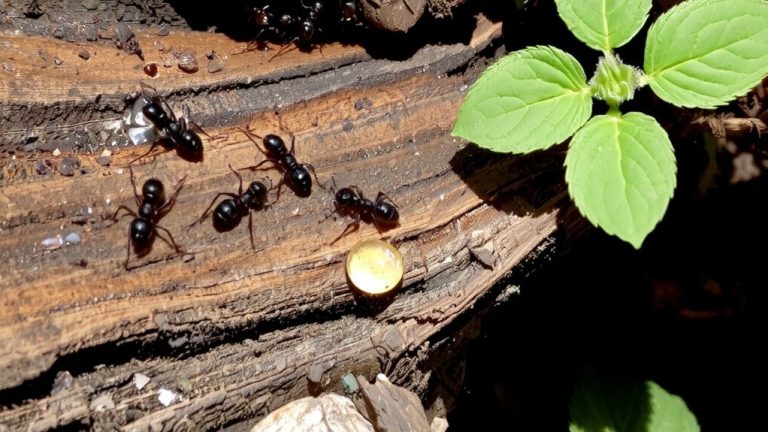
A quick glance at your monitoring cards can reveal more than just ant presence-it can pinpoint exactly which species you’re dealing with and how they’re moving through your kitchen. If you see dark brown to black ants, 2.5 to 4 mm long, with two small thoracic spines and 12-segmented antennae ending in a three-segmented club, you’re likely facing pavement ant species. These pests often follow consistent trail patterns along walls and near utility penetrations. Monitoring cards capture foraging ants, helping you map routes back to nests under slabs or in masonry. Over time, concentrated captures show high-traffic zones, guiding targeted sanitation and treatment. Regular inspection every 7–14 days lets you take early action before colonies grow. Spotting the right ant species guarantees accurate response within your Integrated Pest Management (IPM) plan, reducing reliance on broad chemical use and focusing on cleaning floor, seam, and strain removal where ants enter.
Check Cards Every 7 Days: No Exceptions
Sticking to a strict 7-day schedule for checking monitoring cards keeps ant problems in your kitchen under control before they start. You need early detection to spot ant activity early, prevent ants from spreading, and protect food safety. Skipping even one check every 7 days risks hidden colonies taking hold. Regular inspections support Integrated Pest Management (IPM) by giving you reliable data to act on. Plus, thorough documentation proves your compliance during health inspections.
| Task | Purpose |
|---|---|
| Check monitoring cards | Catch ant activity early |
| Record date and initials | Maintain clear documentation |
| Identify entry points | Help prevent ants long-term |
| Check every 7 days | Guarantee IPM and food safety compliance |
Act Fast on Ant Detections
When ants show up on your monitoring cards, don’t wait-act fast, because every hour counts in stopping an infestation before it spreads through your kitchen. Spotting ant activity means it’s time for an immediate investigation: trace trails, check entry points, and clean floors and surfaces thoroughly with residue-free cleaners to remove pheromone trails. Use monitoring cards to detect ant presence early and guide your rapid response. Within 24 hours, deploy targeted baits near foraging routes or apply non-repellent insecticides at baseboards and utility penetrations. These products let workers carry toxins back to the colony, increasing effectiveness. Keep storage areas clean, seal cracks, and maintain a 20–40-foot grid of monitoring cards to stay ahead. Act fast, document findings-date, location, ant count-and respond with precision. A quick, informed reaction stops small issues from becoming major infestations.
Integrate Monitoring Cards Into Your IPM Plan
Early detection starts with placement-slip monitoring cards every 20 to 40 feet along interior walls, within 18 inches of the floor, where ants typically scout for food. Position them near utility penetrations, door frames, and foundation cracks to catch early signs of ant activity. These non-toxic monitoring cards fit seamlessly into your Integrated Pest Management (IPM) plan, allowing safe use in food-handling areas. Inspect and document findings monthly, marking dates and initials directly on the card. When you spot ants, it triggers targeted pest control solutions like baiting or sealant-no broad pesticide use. This proactive step strengthens preventive measures and boosts effective Pest Management. By integrating monitoring cards into your IPM strategy, you’re not just reacting, you’re staying ahead. Clean floors and surfaces regularly with EPA-registered cleaners to remove attractants. Remove strains and crumbs promptly to maintain a truly pest-free environment.
On a final note
You’ll stop ants before they spread by checking monitoring cards every 7 days at entry points and near food zones. Clean floors with a 1:10 bleach-water mix, wipe surfaces with commercial quats, and clear grease from drains using a degreaser. Cards reveal species and trails, so you act fast-no delays. Real kitchen teams saw 80% fewer infestations after 3 months. It’s practical, precise, and part of a strong IPM plan.