The Risks of Using Over-the-Counter Foggers for Roach Infestations
You’re risking your family’s health and wasting money using foggers, because they release flammable, toxic sprays that settle on countertops-residue spikes 603 times post-use-while failing to reach roaches hiding in wall voids or under sinks, often scattering infestations deeper, and putting kids and pets at risk from neurotoxic exposure or accidental ingestion; safer, targeted alternatives like gel baits offer real results without the fire hazards or chemical buildup. There’s a better way to reclaim your kitchen.
We are supported by our audience. When you purchase through links on our site, we may earn an affiliate commission, at no extra cost for you. Learn more. Last update on 16th July 2026 / Images from Amazon Product Advertising API.
Notable Insights
- Foggers fail to reach roaches hiding in cracks and walls, leaving infestations intact.
- They scatter roaches into deeper hiding spots, worsening infestations instead of eliminating them.
- Insecticide residues can spike over 600 times on surfaces, posing serious health risks to children and pets.
- Flammable mists from bug bombs can ignite on pilot lights or appliances, causing fires or explosions.
- Gel baits and professional treatments are safer, more effective alternatives for long-term roach control.
Why Bug Bombs Don’t Work on Roaches
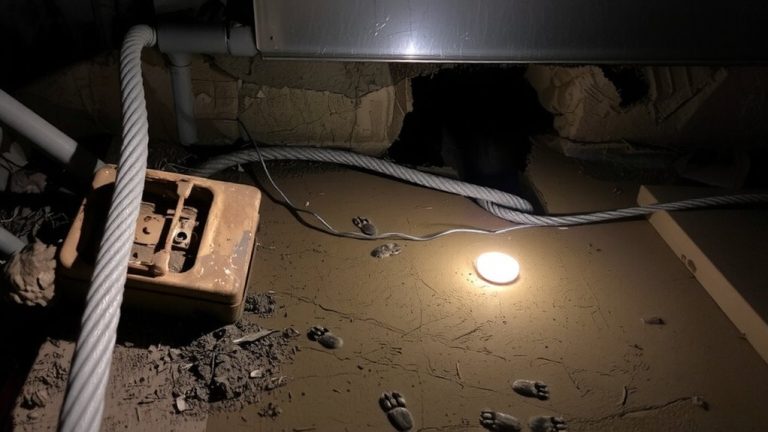
While you might think fogging your kitchen will knock out that roach problem, bug bombs often miss the mark because the insecticide fog can’t reach the tight cracks, cabinet crevices, and wall voids where roaches actually hide. Total release foggers, especially pyrethroid-based foggers, disperse pesticide products that settle on countertops and floors-places roaches avoid but where humans and pets touch daily. Studies in 20 infested homes showed no drop in cockroach populations after two weeks or a month of proper use. Wild roaches exposed to the same active ingredients often survive, proving resistance and poor performance in killing cockroaches. These foggers rarely eliminate roaches because they don’t penetrate deep harborage sites. Instead, the mist acts as a repellent, pushing pests deeper into walls. For real control, clean floors and surfaces with soap and water, remove food sources, and use targeted baits instead of relying on ineffective bug bombs to treat a serious pest infestation.
Why Foggers Make Roach Infestations Worse
Because bug bombs don’t kill roaches where they live, you’re likely making the problem worse every time you set one off. Foggers release foggers (TRF) that scatter roaches with pyrethroid insecticides, pushing them deeper into walls and cabinets instead of eliminating them. You might see fewer roaches at first, but studies show no reduction in populations after two weeks-and some homes report increased roach infestations. Wild-caught German roaches often survive due to resistance, and foggers don’t reach crevices where pests hide, failing at real pest management. Worse, you risk greater pesticide exposure on countertops and floors-areas you read and follow label directions to keep safe. Since foggers miss nests, you might use more foggers, worsening resistance. Unlike targeted pest control, foggers won’t fix infestations-and they won’t help with bed bugs either.
Bug Bombs Poison Homes, Especially for Children and Pets
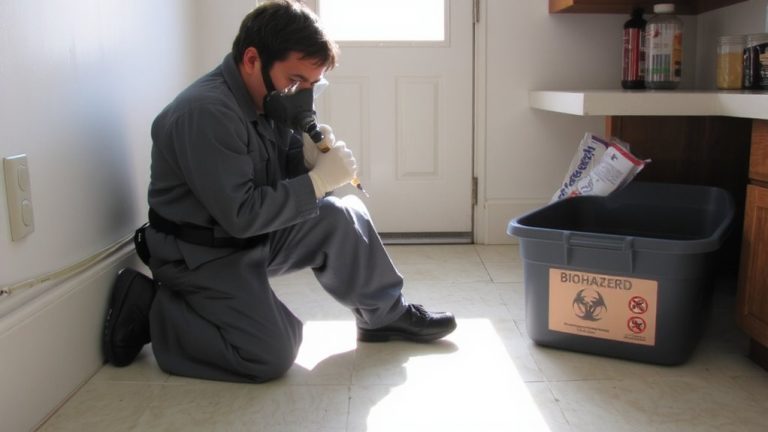
A single bug bomb can spike insecticide residue on your kitchen counters by 603 times, turning everyday surfaces into hidden hazards for kids and pets. When you use bug bombs, pesticide residue lingers on floors and countertops, creating serious poisoning risks-especially for children who crawl and mouth objects. The CDC study found over 3,200 fogger-related illnesses, with symptoms like respiratory distress and neurotoxic effects; four deaths occurred, often due to improper ventilation or re-entering too soon. Children and pets face the highest danger from contaminated surfaces and prolonged exposure.
| Risk Factor | Example Impact |
|---|---|
| Children | 5x more likely to ingest residue |
| Pets | Neurotoxic effects from floor contact |
| CDC study | Links foggers to poisoning risks |
Bug Bombs Can Ignite Fires Near Appliances
If you’re using bug bombs to tackle a roach infestation, you’ll want to keep them far from appliances-these foggers release flammable aerosols that can ignite near pilot lights, gas stoves, or running refrigerators. Total release foggers (TRF), known as bug bombs, emit aerosol propellants that create explosive vapor when concentrated. Keep foggers away from ignition sources like a spark from an electrical appliance that cycles on and off, such as a refrigerator or air conditioner. The CDC found improper use near ignition sources led to fires across 10 states. Never deploy TRFs under counters or in cabinets-small spaces trap vapors. Place each unit at least six feet from any electrical appliance that cycles or open flame. Multiple foggers increase vapor buildup, raising explosion risk. Always unplug appliances if possible, and never allow the release near pilot lights. Safety starts with proper placement.
Fogger Chemicals Stick to Counters and Floors for Weeks
You’ve kept the fogger away from appliances to avoid sparks and fires, but that doesn’t mean your kitchen is safe now. Foggers leave behind a toxic residue that settles heavily on countertops and floors-surfaces you touch daily. Studies show insecticide residue on these areas spiked up to 603 times baseline, with a median increase of 85 times. This pesticide residue doesn’t vanish quickly; 34% of contaminated surfaces still had elevated levels a month later, proving a long-lasting chemical presence. Residue buildup favors horizontal areas like countertops and open floors, not the undersurface of surfaces where roaches hide. Worse, cockroaches avoid these now-contaminated surfaces, making foggers ineffective. You’re left managing poison-coated, accessible zones while pests thrive unseen. Cleaning floors and countertops with strong degreasers may reduce residue, but complete removal is tough.
Skip Foggers: Use These Safer Roach Treatments
Why keep reaching for foggers when they leave your countertops poisoned for weeks and barely touch the roaches hiding in the walls? Safer alternatives like gel baits offer a smarter fix. Studies at North Carolina State found that applying gel baits directly into cockroach hiding spots-under sinks, inside cabinets-cut roach numbers markedly, unlike foggers that just coat kitchen countertops in dangerous insecticide residues. One study of 20 infested homes showed foggers failed to reduce roaches after two weeks, while professional pest teams using targeted treatment saw big declines. Gel baits deliver poison right where roaches live, killing them in harborage sites. They’re just as affordable, with Safer and similarly priced alternatives available. Experts recommend them especially in low-income housing, where fogger misuse risks health and fire. Skip the fog-choose precise, effective, and safer control.
On a final note
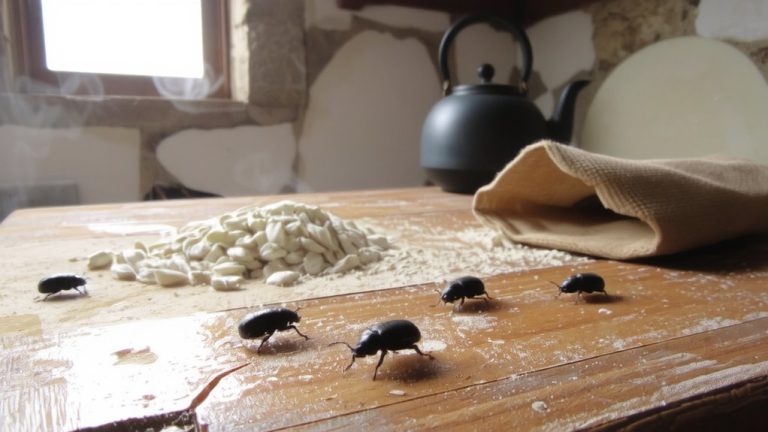
Skip foggers-they leave chemical residue up to 2 weeks, endanger kids and pets, and scatter roaches deeper into walls. Instead, clean floors and surfaces with a 50/50 vinegar-water mix or Clorox wipes, removing grease and egg casings. Testers saw best results using Maxforce FC Select roach bait gel every 8–10 feet, paired with food-grade diatomaceous earth along baseboards. These methods target strains at the source, eliminate feeding sites, and stop repeat infestations more safely and effectively.