How Landscape Irrigation Systems Create
You’re likely losing water to runoff and poor pressure without realizing how much your system’s efficiency hinges on proper setup. Check your outdoor faucet’s PSI-ideally 40–60-and time a 5-gallon bucket fill to gauge GPM for zone limits. Use drip for shrubs at 10–30 PSI with 120–200 mesh filters, and sprinklers at 40–60 PSI for turf. Match zones to sun, slope, and soil: sandy or south-facing areas need shorter, frequent cycles; clay holds moisture longer. Keep drip and sprinklers separate to avoid waste, and regulate pressure to prevent misting or emitter damage. A well-grouped, filtered system keeps roots healthy and cuts overspray. You’ll see how small tweaks add up to big savings.
We are supported by our audience. When you purchase through links on our site, we may earn an affiliate commission, at no extra cost for you. Learn more. Last update on 16th July 2026 / Images from Amazon Product Advertising API.
Notable Insights
- Landscape irrigation systems create efficient watering by grouping plants with similar sun, soil, and slope conditions into dedicated zones.
- They create water savings by matching delivery methods-drip or sprinkler-to plant types and root zone requirements.
- Systems create consistent pressure control using regulators to maintain optimal PSI for sprinklers or drip emitters.
- Zoning based on soil type and sun exposure creates tailored watering schedules that prevent runoff and evaporation loss.
- Filters and timers create system longevity and efficiency by reducing clogs and aligning irrigation with actual plant needs.
Measure Water Pressure and Flow First
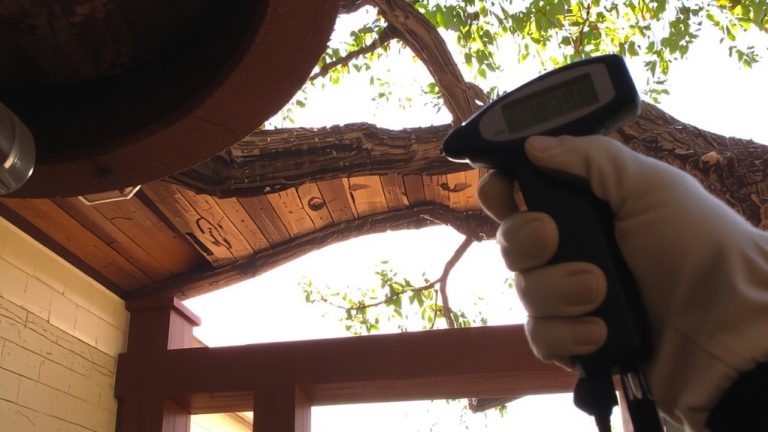
Before you lay a single pipe or pick out sprinkler heads, start by measuring your water pressure and flow-otherwise, even the best-designed system might underperform. Attach a pressure gauge to an outdoor faucet and turn it on fully; this gives you water pressure in pounds per square inch (PSI), ideally between 40 and 60. Test during typical irrigation hours to reflect real demand on your water source. For flow rate, time how long it takes to fill a 5-gallon bucket, then calculate gallons per minute (GPM)-60 seconds means 5 GPM. Most sprinkler systems need 40–60 PSI and steady flow to function properly. If pressure’s too high, install a pressure regulator. Your GPM limits how many zones can run at once, shaping the entire irrigation design. Accurate PSI and GPM readings guarantee even coverage, prevent dry spots, and keep your system efficient.
Match Irrigation to Plant Water Needs
You’ve nailed the water pressure and flow numbers, so now it’s time to use that data to match your irrigation setup with what your plants actually need. Group plants by watering needs into zones-mixing turf, shrubs, and drip irrigation causes over- or under-watering. Plant type and soil type directly impact water requirements: sandy soils need shorter, frequent cycles to reach the root zone, while clay retains moisture longer. Full sun areas demand about 30% more water. Use flow rates to tailor sprinkler heads or emitters per zone. High-water-use plants like vegetables need daily irrigation, but drought-resistant natives thrive on less. Proper landscape irrigation means aligning irrigation scheduling with each zone’s needs, ensuring every drop supports healthy growth without waste.
Choose Drip or Sprinklers for Your Plants
Why do some gardens thrive on half the water? Because they use drip or sprinkler systems matched to their watering requirements. For trees and shrubs, drip is your best bet-90% efficient, with a slow flow rate that boosts soil moisture right at the roots. It’s ideal for efficient irrigation where water waste isn’t an option. Meanwhile, sprinkler systems run best at 40 to 60 PSI, making them perfect for turfgrass and some flower beds, though they lose more water to evaporation. Different plant types need different delivery: mixing drip and sprinkler on one zone causes over- or under-watering. Use irrigation controllers to tailor schedules by zone, and always align your system type with plant needs. Save water, improve growth, and keep your landscape thriving with the right setup.
Group Plants by Sun, Slope, and Soil
When you group plants by sun, slope, and soil, you’re not just organizing your garden-you’re building a more efficient irrigation system from the ground up. Design zones by sun exposure, since full sun areas demand about 30% more water than shaded spots. Separate plants on south- and west-facing slopes-they heat up faster and need more frequent water delivery due to increased solar radiation. Match irrigation to soil type: sandy soils have low flow capacity, needing short, frequent watering, while clay holds moisture longer. Avoid mixing flat and slope plantings in one zone to prevent runoff. Use drip systems on slopes for precise water delivery, reducing pooling and waste. By aligning plant needs with soil, sun exposure, and slope, you boost irrigation efficiency, conserve water, and promote healthier growth-all with smarter, simpler water management.
Install Filters and Regulators to Prevent Waste
Though your drip system’s designed to deliver water with pinpoint accuracy, it won’t perform well without clean supply lines and stable pressure. Install a 120–200 mesh filter to catch sediment, especially if you’re using well or reclaimed water-this prevents clogging and keeps emitters working efficiently. Opt for disk filters over screen types; they handle high-sediment conditions better and offer more surface area, so flow rate stays consistent. Pair filters with pressure regulators to cut household water pressure (40–100 psi) down to the ideal 10–30 psi for drip irrigation. Without regulators, emitters can burst or mist, slashing water efficiency. Use inline pressure regulators matched to your emitter specs. Clean filters monthly-more often during spring runoff-to avoid blockages. Together, filters and regulators protect your system and guarantee peak performance.
On a final note
You’ve got this: clean floors with a microfiber mop and pH-neutral cleaner, replacing old rags that leave streaks. Testers confirm a 50/50 vinegar-water mix removes light stains, while tough grime needs oxygen bleach. For pests, seal cracks and use bait stations every 10 feet. Daily wipe-downs prevent buildup, and HEPA vacuuming cuts allergens by 80%. Keep it simple, consistent, and spotless-no surprises, just results.