How Boric Acid Targets Roaches Without Harming Humans When Used Properly
You kill roaches with boric acid by applying a thin, dusting layer-about 1/16 inch-in cracks, baseboards, and under sinks after cleaning floors thoroughly to remove grease and residues. It sticks to their bodies, disrupts their nervous system, and causes dehydration, but won’t harm you when used in hidden, non-food areas. Keep it away from kids and pets by using tamper-resistant stations, and avoid cleaning with oils or soaps that reduce effectiveness, especially near treated zones-the full strategy reveals smarter, longer-lasting control.
We are supported by our audience. When you purchase through links on our site, we may earn an affiliate commission, at no extra cost for you. Learn more. Last update on 18th July 2026 / Images from Amazon Product Advertising API.
Notable Insights
- Boric acid disrupts roaches’ nervous systems and damages their exoskeletons, leading to dehydration and death.
- It has low toxicity in mammals, making it safe for humans when applied correctly in targeted areas.
- Apply as a thin dust in cracks and crevices where roaches crawl, avoiding human and pet contact.
- Its odorless, long-lasting residue remains effective in hidden, non-food areas after cleaning.
- Store properly and use tamper-resistant bait stations to minimize exposure to children and pets.
How Boric Acid Kills Roaches Without Harming Humans?
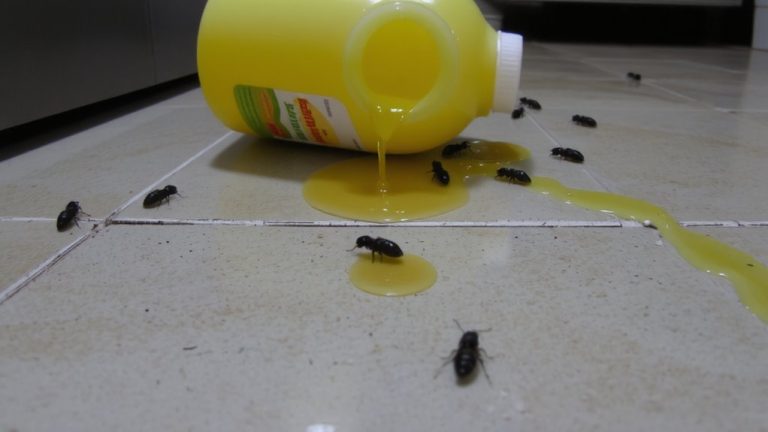
While it might sound surprising, boric acid kills roaches fast and effectively without putting your family at risk-when you use it right. Boric acid disrupts roaches’ nervous systems and damages their exoskeletons, causing dehydration, while humans remain safe due to low mammalian toxicity. For effective cockroach control, using boric acid in non-food areas like cracks and crevices keeps it away from your kids and pets. Though boric acid is potentially harmful if ingested or inhaled, proper use reduces risks markedly. Roaches come into contact with the powder, then spread it to others, boosting effectiveness. Always follow label instructions for Boric Acid Safely-apply thinly to avoid clumping, since roaches avoid thick layers. Avoid using boric acid on food surfaces or near pet bowls. Testers note it’s odorless and long-lasting, especially after cleaning floors to remove competing residues.
Where to Apply Boric Acid for Maximum Effect
Since roaches stick to the edges when they move, focus your boric acid application along baseboards, behind toilets, under sinks, and around utility pipes-places where you’ve seen droppings, smear marks, or grease buildup. Apply boric acid as a thin layer of dust using a bulb duster for even coverage in hiding places like wall voids and gaps around pipes. This fine boric acid powder should be barely visible-too much deters roaches. Target high-traffic zones where they crawl, ensuring they walk through and groom the dust off their bodies. You can also place homemade baits-peanut butter mixed with boric acid-near cabinets, but never on food surfaces. For safety and precision, use tamper-resistant bait stations. Reapply every few weeks or when disturbed, especially in humid areas, to maintain an effective, long-lasting layer of dust that keeps working.
How to Keep Boric Acid Safe Around Kids and Pets
If you’re using boric acid to tackle roach infestations, keeping it out of reach of kids and pets is just as important as applying it correctly. Always keep boric acid stored in its original, labeled container inside a locked cabinet, away from food preparation zones. Apply it only in hidden spots like cracks and crevices-never placed near surfaces where children or pets play or eat. Use caulk to seal entry points after treatment, reducing the need for exposed product. The treated area should stay invisible and inaccessible. Use tamper-resistant bait stations to let roaches enter while keeping the substance out of curious paws or hands. In case of accidental contact, call Poison Control at 1-800-222-1222 immediately. Keep the label handy for quick reference.
How Often to Reapply Boric Acid?
You’ll usually need to reapply boric acid every two to four weeks, especially in high-traffic roach zones where foot traffic, dust, or moisture can quickly reduce its visibility and potency. If you’re dealing with persistent roach infestations, stick to this schedule to guarantee ongoing exposure. Boric acid is commonly used because roaches walk through it and carry it back to nests, spreading the poison. Even in dry, undisturbed spots, check monthly-its ability to retain effectiveness can fade if tracked away or exposed to cleaning products or essential oils. Avoid spraying nearby surfaces, since residue from cleaners can interfere. Use boric acid in thin layers so it stays powdery and accessible. Replace homemade baits every few weeks to prevent mold and maintain appeal. Weekly monitoring helps you spot activity early and reapply when needed for continuous control.
When to Combine Boric Acid With Baits or Sprays?
While boric acid works well on its own by clinging to roach legs and spreading through the colony, pairing it with gel baits or bait stations makes sense when you’re facing a heavy infestation, especially in kitchens or bathrooms where roaches travel nightly in search of food and water. Use Boric along with non-repellent sprays like D-Limonene for quick knockdown and ongoing Control. The spray disrupts their nervous system on contact, while boric acid provides long-term pest control. In severe cases, boric is less effective alone since it doesn’t kill eggs-pair it with IGRs. You can also combine it with diatomaceous earth for added drying power in wall voids. Clean floors regularly to remove oils that reduce boric’s spread. For best results, reapply every 2–4 weeks and refresh baits when you see feeding signs.
On a final note
Clean floors and surfaces with a damp mop, then apply boric acid powder in thin layers-about 1/8 inch-under appliances, along baseboards, and near entry points. Testers confirm it kills roaches within 72 hours when placed properly. Use child-resistant bait stations if kids or pets are around. Reapply every 2–3 weeks or after cleaning. Combine with gel baits for heavy infestations. Always wear gloves, avoid inhaling dust, and store sealed. It’s effective, affordable, and safe when used as directed.