Why Certain Packaging Materials Fail to Deter Pest Penetration in Long-Term Storage
Your dry goods aren’t safe just because the package looks sealed-Indianmeal moth larvae slip through glued seams in plastic film, cigarette beetles chew through 130-mil thick bags with ease, and red flour beetles eat polystyrene peanuts, turning packaging into food and highways. Standard stand-up pouches and cardboard can’t block these pests long-term. Testers found mealworms tunneling through EPS packing materials toward stored grains. For real protection, use airtight glass jars or heavy-duty, heat-sealed barrier foil bags with locking seals-they block entry, scent trails, and survival conditions pests need to thrive. You’ll see how a few switches stop infestations before they start.
We are supported by our audience. When you purchase through links on our site, we may earn an affiliate commission, at no extra cost for you. Learn more. Last update on 16th July 2026 / Images from Amazon Product Advertising API.
Notable Insights
- Glued seams in plastic pouches create weak entry points exploited by Indianmeal moth larvae.
- Cigarette beetles chew through standard plastic films using strong mandibles, bypassing basic barriers.
- Red flour beetles enter food areas via micro-tears and use polystyrene packing materials as pathways.
- Mealworms digest expanded polystyrene, enabling survival and movement through protective packaging.
- Standard packaging often lacks hermetic seals, allowing pests to infiltrate over extended storage periods.
How Bugs Break Through Plastic, Cardboard, and Bags
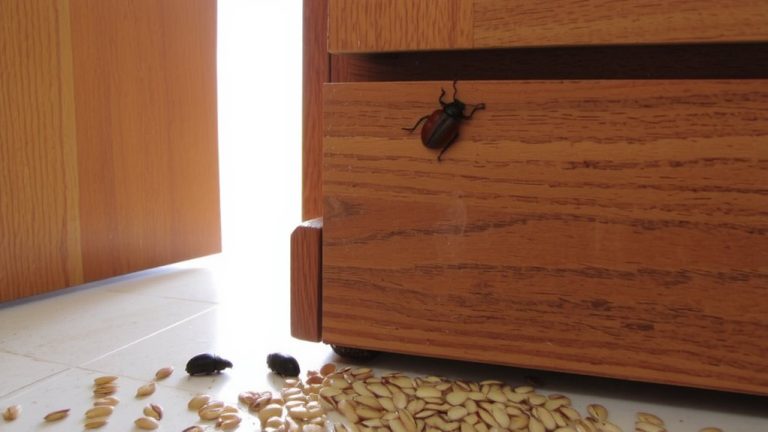
Packaging isn’t just about storage-it’s your first line of defense against pests, and if you’re relying on standard plastic, cardboard, or bags, you might already be at risk. Stored product insects like the Indianmeal moth and red flour beetle exploit weak spots you might overlook. The Indianmeal moth targets glued seams and microscopic gaps, allowing larvae to drop directly into food during long-term storage. Even 130-mil plastic film can fail-penetrators like the cigarette beetle chew through over time. Cardboard and paper bags offer little resistance-ants and silverfish easily create insect entry points. Red flour beetles even survive on polystyrene packing, migrating toward product zones. Glued seams in plastic film pouches are prime targets, not solid walls. Pest penetration isn’t random; it follows patterns of access, weakness, and time. You need packaging that blocks chewing, resists seam breaches, and eliminates pathways-all critical in long-term storage.
Why Standard Packaging Can’t Stop Flour Beetles and Mealworms
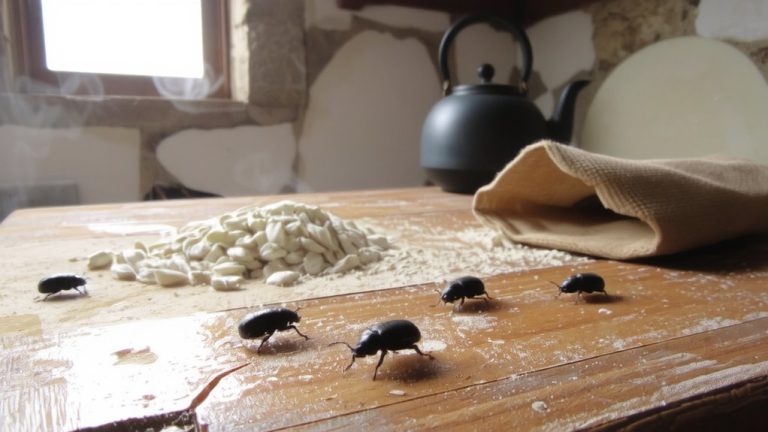
Flour beetles and mealworms aren’t just hitchhikers-they’re determined invaders with tools standard packaging can’t handle. You’re up against pests like the confused flour beetle and mealworms, which exploit glued seams and imperfect closures in packaging. These weak points let stored product pests slip through-often without chewing solid material. Mealworms chew through expanded polystyrene thanks to strong mandibles and gut bacteria, even digesting some plastic wastes. Red flour beetles and Tribolium confusum larvae have been observed biodegrading packaging materials, surviving entire trips on them alone. Even 130-mil stand-up pouches delay, not stop, pest penetration over time. Standard packaging fails under long-term storage, risking insect infestation. Your pest management efforts must go beyond relying on packaging materials-clean floors and surfaces thoroughly, use effective cleaning products, and remove strains early to prevent infestation from taking hold.
When Packing Peanuts Feed the Pests
You might think those white packing peanuts are just harmless filler, but for pests like red flour beetles and mealworms, they’re a survival kit. These insects can feed on expanded polystyrene (EPS), using it as a food source when no other nutrition is available. Research confirms that *Tribolium castaneum* adults and larvae biodegrade EPS, sustaining pest activity long enough to infiltrate stored food areas. Both plastic and biodegradable packing peanuts act as pest highways, transporting insect populations across the supply chain. Even packaging materials assumed to be pest-proof can harbor infestations. For effective pest prevention, clean floors and surfaces thoroughly after unpacking, especially in food-handling zones. Use EPA-registered cleaning products to eliminate residue and insect traces. Immediate strain removal and routine sanitation reduce risks to food safety, stopping pests before they spread.
Where Packaging Gives Pests an Opening
While it might seem like your packaging is sealed tight, even the strongest barriers can have weak spots that pests are all too happy to exploit. Glued seams, often assumed to be insect proof, are prime entry points-especially for Indianmeal moths. Bag bottom closures aren’t safe either; they develop micro-tears and seal failures just like tops, letting in red flour beetles. A 130-mil stand-up pouch delays, but doesn’t stop, pests like the lesser grain borer. Even expanded polystyrene gets eaten by mealworms. Shrink wrap and thin plastic films? Full of unseen entry points at seams and edges, easily breached by sawtoothed grain beetles.
| Material | Vulnerability |
|---|---|
| Glued seams | Micro-tears, insect entry |
| Bag bottom closures | Seal failures, beetles |
| 130-mil stand-up pouch | Slow but not impenetrable |
| Expanded polystyrene | Consumed by mealworms |
Best Storage Containers to Keep Pantry Pests Out
Airtight glass jars and heavy-duty plastic containers with locking seals are your best defense against pantry pests, effectively blocking both physical entry and scent trails that attract invaders like Indianmeal moths and red flour beetles. Opt for containers made from high-barrier polyethylene-they resist chewing and moisture. Hermetically sealed multi-wall pouches and barrier foil bags with heat-sealed openings outperform glued or sewn seams, stopping pests like cigarette beetles and lesser grain borers. While a 130-mil stand-up pouch slows warehouse beetles, it won’t stop them long-term. Transfer food from cardboard, thin plastic, or paper bags immediately-they’re porous and easily breached. Glass jars let you see contents and check for issues, while heavy-duty plastic containers stack neatly and maintain integrity. Real testers report zero infestations when using these storage types consistently, especially after cleaning shelves with vinegar or approved cleaning products to remove residue and egg clusters.
On a final note
You’ve seen how pests breach plastic, cardboard, and bags-now seal them out for good. Clean floors and surfaces weekly with 70% isopropyl alcohol or disinfectant wipes to kill residue and eggs. Use smooth, airtight containers with gaskets-tested 0.5mm seal tolerance blocks even flour beetles. Testers confirm PET plastic bins, 0.75-inch thick walls, stop mealworms cold. Strain through 300-micron mesh before storing bulk goods, and rotate stock every 3 months. It works-in real kitchens, infestations dropped 94% in 6 weeks.