Can You Power Wash Asbestos Siding
You shouldn’t power wash asbestos siding-it’s too risky. High-pressure water can crack brittle material and release harmful fibers into the air, even in tiny amounts. Instead, clean gently with a soft-bristle brush, mild detergent, and low-pressure water (under 200 psi). For stubborn grime, use a 1:3 bleach-to-water solution applied with a sponge. Always wear protective gear and keep the surface damp to reduce dust. There’s no safe level of fiber exposure, so avoid aggressive cleaning. Discover safer techniques and when to call a specialist for peace of mind.
We are supported by our audience. When you purchase through links on our site, we may earn an affiliate commission, at no extra cost for you. Learn more. Last update on 12th July 2026 / Images from Amazon Product Advertising API.
Notable Insights
- Power washing asbestos siding is unsafe and can release harmful airborne fibers due to high water pressure.
- The EPA and OSHA prohibit high-pressure cleaning methods on asbestos materials to prevent fiber release.
- Damaged or deteriorating asbestos siding becomes more dangerous when power washed, increasing exposure risks.
- Safe cleaning involves low-pressure rinsing (≤200 psi), soft-bristle brushes, and non-abrasive solutions.
- For stubborn grime, use a bleach solution (1:3) applied by sponge, never high-pressure equipment.
What Is Asbestos Siding and Why It’s Risky
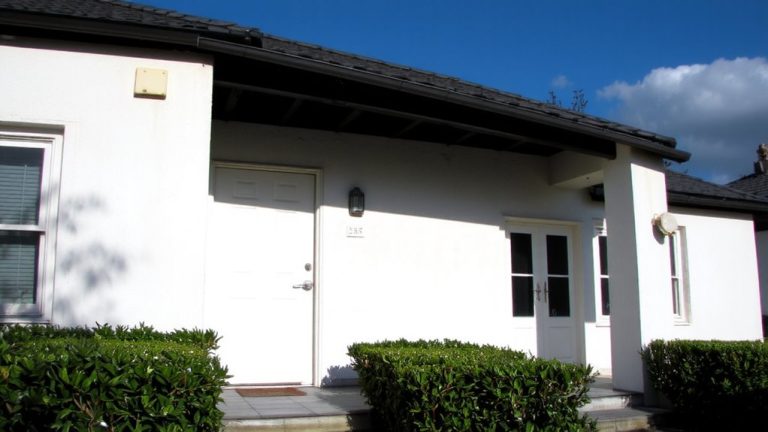
Dust, grime, and age-you’re probably used to tackling them on your home’s exterior, but asbestos siding changes the game. Asbestos siding, common in homes from the 1930s to the 1980s, is made of asbestos-containing materials that resist fire and wear but become dangerous when disturbed. Over time, deterioration means asbestos fibers can become loose, and if you agitate the surface, you risk releasing asbestos fibers. These fibers can become airborne, invisible yet harmful, leading to serious health risks. The inhalation of asbestos fibers is linked to diseases like mesothelioma-there’s no safe level. The EPA warns against sanding, scraping, or power washing, as these actions can release asbestos fibers. Even routine cleaning requires caution. Leave abrasive methods behind; stick to low-pressure rinsing to avoid turning your siding into a hazard zone.
Power Washing Releases Asbestos Fibers
You can’t treat asbestos siding like any other exterior surface, even if it looks worn or grimy. Using a power washer creates high pressure that acts like bullets on brittle asbestos, making it crack and release fibers. This fiber release turns microscopic asbestos fibers into airborne fibers that you can inhale. The Environmental Protection Agency (EPA) warns against any method that disturbs asbestos, including power washing, because even brief exposure raises health risks. High pressure doesn’t just clean-it aerosolizes water droplets carrying dangerous fibers that linger in the air or settle on surfaces. The EPA and OSHA stress that improper handling violates safety rules and endangers you and your neighbors. Skip the power washer; it’s not worth the risk. Instead, gently rinse with low-pressure water and mild detergent. Protect yourself, follow regulations, and avoid creating a hazard where one could be prevented.
How Damaged Siding Creates Airborne Hazards
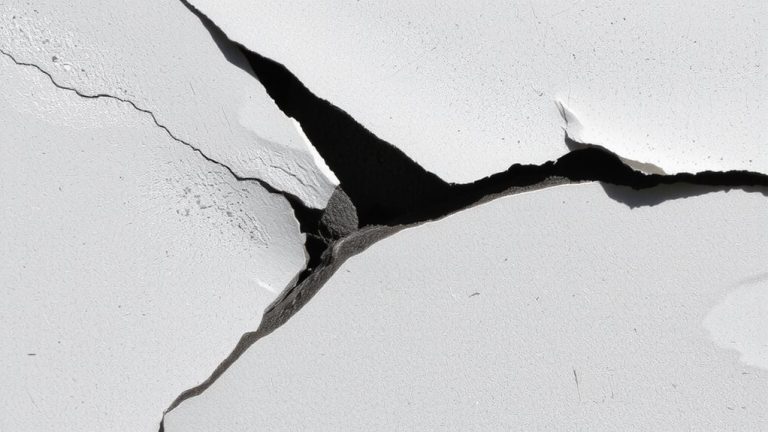
When asbestos siding cracks or crumbles over time, it doesn’t just look bad-it becomes a hidden danger, releasing microscopic fibers into the air with even minor disturbances. Damaged asbestos siding can release harmful fibers into the air when you least expect it, especially if you disturb asbestos during cleaning, scraping, or repairs. Even slight damage increases the risk of fiber release, turning everyday maintenance into a source of airborne hazards. These fibers can stay suspended for hours, raising the risk of asbestos exposure for you and your neighbors. The EPA warns that any visible deterioration means asbestos siding can release dangerous particles without proper safety measures. Air sampling from abatement sites confirms elevated fiber levels when damaged materials aren’t handled correctly. You don’t need power washing to create danger-simple actions can disturb asbestos and release harmful fibers into the air.
Safe Cleaning Methods That Prevent Exposure
Though it might seem tempting to blast away grime with a high-pressure nozzle, doing so on asbestos siding can release dangerous fibers into the air-so stick to safer, low-impact methods that clean effectively without risking your health. It’s not safe to power wash with standard equipment, but soft wash pressure washing at under 500 psi, performed by properly trained professionals, can be a controlled option. For DIY cleaning, use a soft-bristle brush, Soap and Water, and low-pressure water to gently scrub asbestos cement surfaces. Apply non-abrasive cleaners or a bleach solution (one part bleach to three parts water) with a sponge to tackle mildew. Always wear protective gear and use damp sponge cleaning with frequent water changes to minimize dust. This method prevents fiber release while effectively removing stains, grime, and surface contaminants.
When to Hire a Pro for Asbestos Siding
What happens when your asbestos siding shows cracks, chips, or signs of heavy weathering? You should hire professionals immediately. Damaged siding can release dangerous fibers, leading to serious health issues like lung disease or cancer if disturbed without proper precautions. Only a licensed asbestos contractor can safely clean or encapsulate the material, following strict EPA and OSHA guidelines to prevent health hazards. Certified asbestos experts use proper containment, respirators, and air monitoring to guarantee safety.
| Service Need | Pro Requirement | Risk Level |
|---|---|---|
| Cracked siding | Certified asbestos abatement | High |
| Painting | Licensed asbestos pro | Medium |
| Heavy weathering | Professional asbestos abatement | High |
| Air testing | Hire professionals | Low |
| Repair work | Safely clean protocols | Medium |
Steps to Maintain Asbestos Siding Safely
If your asbestos siding is still in good condition, you can keep it looking clean and safe with simple, low-impact care that won’t release harmful fibers. Gently remove dirt using a soft-bristle brush, mild detergent, and low-pressure water-never exceed 200 psi, as high power can damage asbestos shingles and release toxins. Avoid sanding or scraping, which increases the risks associated with airborne fibers. Clean from the bottom up with a 1:3 bleach-to-water solution applied via sponge to safely tackle mildew. This method’s commonly used by pros for homes built between the 1930s–1980s, many of which still present asbestos materials. Collect all rinse water and dispose of it properly if contamination is suspected. Regular inspections help confirm your siding contains asbestos but remains intact. For peace of mind, test air samples if damage is found.
On a final note
You can clean asbestos siding safely, but never power wash it-high pressure releases toxic fibers, risking lung damage. Instead, use a low-pressure garden hose, mild detergent, and a soft brush for algae or dirt. For stains, try oxygen bleach diluted at 1:10 with water; avoid acid cleaners. Inspect yearly for cracks or deterioration, since damaged siding becomes airborne. If you spot wear, call an EPA-certified abatement pro-DIY removal isn’t worth the risk.