Does Plasterboard Contain Asbestos
Your plasterboard likely doesn’t contain asbestos in the core, but if your home was built before 1999, the joint compound, tape, or textured finishes like Artex might-especially from the 1970s. These materials often hid chrysotile asbestos, which only lab testing can confirm. Avoid sanding or drilling; use wet methods and PPE if working nearby. For safe cleanup, HEPA vacuum wipes and microfiber cloths capture fibers effectively at 99.97% efficiency. A UKAS-accredited lab test gives clear answers-knowing more changes how you manage risk.
We are supported by our audience. When you purchase through links on our site, we may earn an affiliate commission, at no extra cost for you. Learn more. Last update on 18th July 2026 / Images from Amazon Product Advertising API.
Notable Insights
- Modern plasterboard typically does not contain asbestos, especially in the UK since the 1999 ban.
- Asbestos was more commonly found in jointing compounds, tapes, and textured coatings than in the board itself.
- Homes built before 1999, particularly in the 1970s, may have asbestos in drywall systems.
- Older fire-resistant boards and adhesives used before the 1980s sometimes contained asbestos.
- Laboratory testing by a UKAS-accredited lab is required to confirm asbestos presence in suspect materials.
Does Plasterboard Contain Asbestos?
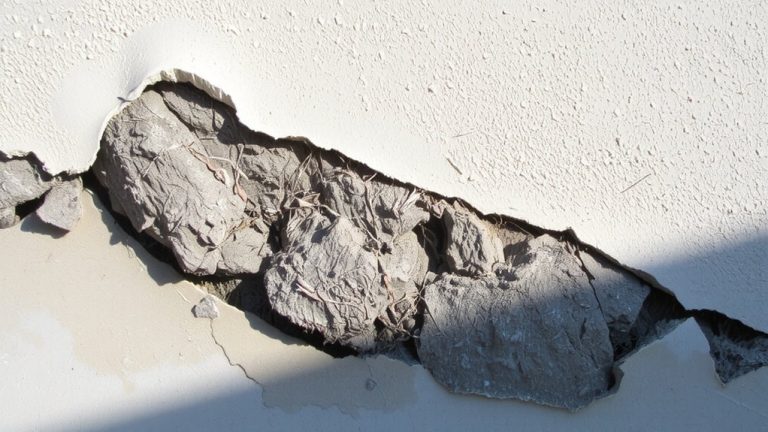
So, could your plasterboard contain asbestos? While the gypsum core in plasterboard rarely contained asbestos, you’re more likely to encounter asbestos in drywall jointing materials. Asbestos-containing jointing compounds, tapes, and especially asbestos in textured coatings like Artex were widely used. If your home was built before 1999, particularly in the 1970s, it may have UK asbestos plasterboard systems. Asbestos wasn’t in the board itself but hidden in layers-lining joints, skim coats, or decorative finishes. You won’t spot it by sight; only laboratory testing for asbestos through a UKAS-accredited lab can confirm it. Don’t risk DIY cleaning or sanding, as this releases fibres. Use damp wipes for surface cleaning, but avoid abrasive products or high-pressure washing. No cleaner removes asbestos-only professional encapsulation or removal does. Stay safe: assume older plasterboard contain asbestos until proven otherwise.
When Was Asbestos Used in Plasterboard?
You’re more likely to run into asbestos in the layers around plasterboard than in the board itself, especially if your home dates from the 1950s to 1999. While UK plasterboard sheets rarely contained asbestos, joint compounds and tapes used with pre-1980s drywall often did. Asbestos was used to strengthen finishes and reduce cracking. Buildings constructed before the asbestos ban 1999 may still have asbestos-containing drywall systems, even if the core board was safe.
| Period | Material Type | Asbestos Risk |
|---|---|---|
| 1950s–1970s | Joint compounds | High |
| 1980s–1999 | Pre-1980s drywall | Medium |
| Post-1999 | UK plasterboard | None |
| Pre-1980s | Asbestos-containing drywall | High |
Where Is Asbestos Found in Plasterboard Systems?
Where could asbestos be hiding in your plasterboard system? While the board itself rarely contains asbestos, older fire-resistant types like UK Type X, used in stairwells and corridors until 1999, may still contain asbestos for heat protection. You’re more likely to be exposed to asbestos in adhesives-dot-and-dab methods pre-1980s sometimes used asbestos-containing bonding coats. If you’re working around these materials, you risk asbestos exposure, especially when disturbed. Asbestos fibers can become airborne, so it’s critical to Identify Sheetrock Asbestos before any renovation. Don’t assume a surface is safe-even if the board doesn’t contain asbestos, surrounding materials might. Always test suspect materials before cleaning or removing. For safe cleanup, use wet-wipe methods with HEPA-filter vacuums, not dry dusting, to avoid stirring fibers.
Joint Compounds, Tapes, and Textured Finishes: Hidden Asbestos Materials
Asbestos isn’t just hiding in old plasterboard or adhesives-your biggest exposure risk might come from what’s been smeared and smoothed right over the seams. If your home was built or renovated between the 1950s and 1980s, the joint compounds and drywall tapes used could contain asbestos, especially in walls and ceilings. Textured finishes like Artex, applied until 1999 in the UK, often included chrysotile to boost strength. You won’t see the fibers-Asbestos Found requires laboratory testing through a UKAS-accredited lab. Disturbing these materials during repairs or cleaning releases dangerous fibers. Under EPA NESHAP rules, any renovation on pre-1980s buildings requires testing if asbestos content exceeds 1% in joint compounds or textured finishes. Always assume risk is present, avoid sanding or scraping, and use certified professionals for sampling and abatement.
Can You Tell If Plasterboard Has Asbestos by Looking at It?
How can you know if the plasterboard in your walls or ceiling contains asbestos just by looking at it? You can’t. Asbestos fibres are microscopic, and contaminated plasterboard looks identical to safe materials. Even if you spot old jointing compounds or textured coatings like Artex-common in homes built before 1999, especially the 1970s-you still can’t confirm asbestos through visual inspection alone. These finishes often contained asbestos, but appearance gives no reliable clues. The UK imported raw chrysotile as late as 1998, so even newer-looking materials might be hazardous. The only definitive answer comes from laboratory analysis. Always use a UKAS-accredited lab to test samples. Never rely on sight. Your safety depends on verified results, not guesses.
How to Test for Asbestos in Plasterboard Safely
You can’t rely on your eyes to spot asbestos in plasterboard, and guessing puts your health at risk-so skip the assumptions and focus on safe, verified testing instead. To test for asbestos in plasterboard, especially in homes built before 1999, target areas like jointing compounds and textured surface finishes where fibres were commonly used. If you suspect asbestos, don’t disturb it-professionals must collect samples using wet methods and PPE. Only laboratory analysis at a UKAS-accredited facility delivers conclusive results. Once confirmed, planning for safe removal begins.
| Material Type | Common Locations | Sample Required? |
|---|---|---|
| Jointing compounds | Seams between boards | Yes |
| Textured finishes | Ceilings, Artex coatings | Yes |
| Plasterboard core | Inner board material | Rarely |
| Tape under joints | Behind drywall tape | Yes |
| Damaged edges | Corners, repair patches | Yes |
What to Do If You Suspect Asbestos in Plasterboard
When the past meets your renovation plans, caution wins every time-especially if you’re dealing with plasterboard in a UK home built before 1999. If you suspect asbestos in plasterboard, always assume it contains asbestos, particularly in jointing compounds or textured coatings like Artex from the 1950s to 1980s. Don’t cut, drill, or sand it-disturbing materials can release harmful fibres. Instead, stop work and contact a professional asbestos surveyor. They’ll safely take samples and send them for laboratory analysis at a UKAS-accredited facility. Even if visible coatings test negative, hidden layers could still pose risks, especially in 1970s homes. Only after expert assessment and confirmed results should you proceed. Your safety’s not worth the risk-leave testing and removal to certified professionals who follow HSE guidelines.
On a final note
You’ll clean floors and surfaces best with a microfiber mop, 1:10 vinegar-water mix, or a pH-neutral cleaner like Method All-Purpose, tested safe on sealed drywall near old joints. Wipe weekly to cut dust, grime, and pest attractants. For stains, dab with a damp sponge and mild dish soap-no scrubbing. If rodents or insects show, place Trapper Max glue boards every 12 feet along baseboards.