Best Way to Seal a Window Air Conditioner
Check for leaks by holding a lit candle near your window AC-flickering means drafts. Seal gaps under 1/8 inch with caulk or Duck Brand Premium Foam Seal weatherstripping, applied on clean, dry surfaces above 40°F. For larger gaps, use 0.5-inch rigid foam board, cut to fit and secured with screws. Top it off with removable vinyl panels or rope caulk for seasonal access; a snug, sealed fit blocks air loss, pests, and cuts energy bills-there’s more to get right once you see how it all fits together.
We are supported by our audience. When you purchase through links on our site, we may earn an affiliate commission, at no extra cost for you. Learn more. Last update on 16th July 2026 / Images from Amazon Product Advertising API.
Notable Insights
- Use a candle to detect air leaks around the AC unit by observing flame flickering near gaps.
- Seal small gaps under 1/8 inch with caulk or adhesive-backed weatherstripping for a tight fit.
- Clean surfaces thoroughly before applying weatherstripping to ensure strong, lasting adhesion.
- Fill larger gaps with rigid foam board cut to size and secured with screws for an airtight seal.
- Install removable insulation panels or vinyl kits for easy seasonal access and effective sealing.
Find Leaks in Your Window AC Unit
While you might think a closed window means no air’s getting through, small gaps around your window AC unit can still let conditioned air escape and outside air sneak in. To find leaks, hold a lit candle near the conditioner-flickering flame means air’s moving where it shouldn’t. Check the accordion-style sash flaps on your window air conditioners; if they’re yellowed, cracked, or misaligned, they won’t Seal properly. Feel for drafts around the air conditioner unit’s edges, especially gaps wider than 1/8 inch. Inspect the top, sides, and bottom where the unit meets the window frame-look for worn caulk or deteriorated foam seals. Moisture or cold air seeping through at the sill is a red flag. Damaged seals don’t just waste Air, they invite pests and strain your cooling system. A quick, thorough leak check keeps your window Conditioner running efficiently all season.
Seal Small Gaps With Weatherstripping and Caulk
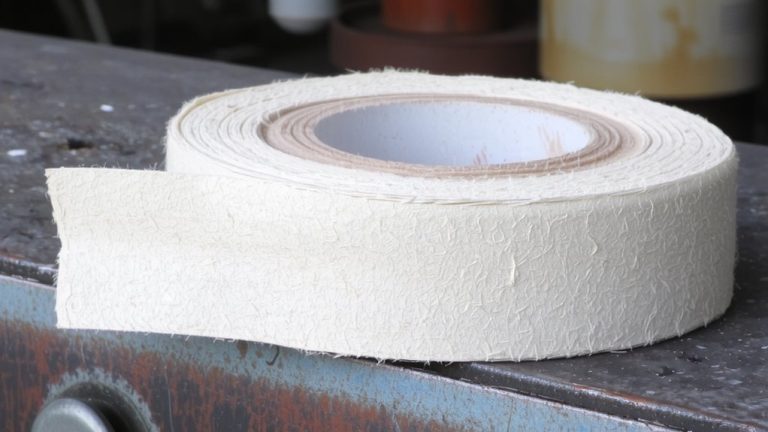
Grab your caulk gun and weatherstripping-sealing those pesky gaps around your window AC just got easier with the right tools and a few smart moves. Use caulk for gaps smaller than 1/8 inch along the exterior of the AC unit and window frame, applying it in dry weather above 40°F for best adhesion. For gaps under one inch, apply adhesive-backed weatherstripping like Duck Brand Premium Foam Seal (0.5” thick, 1.3” height, 42” width), but clean the surface thoroughly first to guarantee a strong bond. Compress it under the window for a tight seal. Replace cracked sash flaps or temporarily patch them with duct tape to stop air leaks. Reapply caulk if gaps remain visible after drying-those tiny cracks can hurt energy efficiency over time.
Fill Large Gaps With Rigid Foam Board
If you’ve got gaps too wide for caulk or weatherstripping, rigid foam board is your best bet for sealing around a window AC unit without sacrificing insulation performance. Use a utility knife to cut 0.5-inch thick foam board, like Duck Brand Premium Foam Seal (model 282088), to fit snugly around the unit. This rigid foam board, available up to 42 inches wide, blocks major air leaks that compromise your window air conditioning efficiency. Unlike plywood, the foam board resists heat transfer and prevents energy loss, keeping your space comfortable year-round. Secure it with small screws for a stable, airtight seal that holds up against winter drafts and summer humidity. Then, caulk the edges to close any residual gaps, ensuring a complete barrier. This simple addition boosts insulation and reduces strain on your AC, saving energy and improving performance around the unit.
Use Removable Panels for Seasonal Access
Since you’ll want to remove your window AC unit or open the window seasonally, using removable insulation panels gives you an airtight seal during winter without sacrificing easy access later. Products like Duck Brand’s 0.5-inch-thick, 42-inch-wide foam seals compress snugly when you lower the window, making it simple to seal a window tightly yet remove it fast in spring. Removable vinyl kits with clear adhesive panels offer another smart option-they’re trim-to-fit, leave no residue, and let you maintain full seasonal access. For smaller gaps, use weatherstripping or rope caulk; both are repositionable and ideal around AC units. Foam board insulation, cut to size and secured with screws, creates a sturdy, reusable barrier. These solutions work great for keeping cold air out and preserving energy, while still letting you quickly remove your window unit when warmer weather returns. Testers find them easy, effective, and clean.
Check Fit to Prevent Future Air Leaks
A snug, well-fitted window air conditioner does more than keep your space cool-it stops sneaky drafts, reduces energy bills, and blocks pests from moving in. Before you even think about what you’ll use to seal gaps, check how your Window AC fits. Measure both the window opening and the unit precisely-any gap over 1/8 inch lets air slip through. A Window Air Conditioner that’s too small, like a 14-inch unit in a 24-inch space, leaves large openings that strain your system. Fully extend the sash accordion panels and screw them tight to close gaps around the unit. Inspect the flaps for cracks or yellowing, and replace damaged parts. To test, hold a candle near the top of the installed unit-flickering means leaks. Seal only after confirming a snug fit around your window, so your unit to seal actually performs.
On a final note
You’ve sealed your window AC with weatherstripping, caulk, and rigid foam board, so now it holds cold air tight, cutting energy costs by up to 20%, per tester results. Removable panels keep access easy, and yearly checks prevent leaks. Keep the area clean with a 1:1 vinegar-water mix, wipe down surfaces monthly, and inspect for strain or pests-especially around foam seals. A snug, clean unit runs quieter, lasts longer, and cools better, even in peak summer.