Best Way to Remove Calcium From Water
You’re battling calcium levels over 121 mg/L that slash water heater efficiency by 24% and shorten appliance life by 30%, but a salt-based softener like the Fleck 5600 Series removes 99% of calcium via ion exchange, protecting pipes and reducing soap scum. For drinking water, pair it with a 3M™ 3MRO301 reverse osmosis system, which filters 98% of calcium. Salt-free systems won’t cut hardness, but understanding your regional risk and system options reveals smarter protection ahead.
We are supported by our audience. When you purchase through links on our site, we may earn an affiliate commission, at no extra cost for you. Learn more. Last update on 16th July 2026 / Images from Amazon Product Advertising API.
Notable Insights
- Use a salt-based water softener with ion exchange to remove calcium and reduce hardness by up to 99%.
- Install a reverse osmosis system for point-of-use calcium removal, filtering up to 98% of calcium ions.
- Avoid salt-free systems if removing calcium; they prevent scale but do not reduce hardness.
- Choose whole-house softeners like Fleck 5600 Series for appliance protection and limescale prevention.
- Test water hardness; treat if calcium exceeds 121 mg/L, especially in regions with limestone groundwater.
How Hard Water Damages Your Home
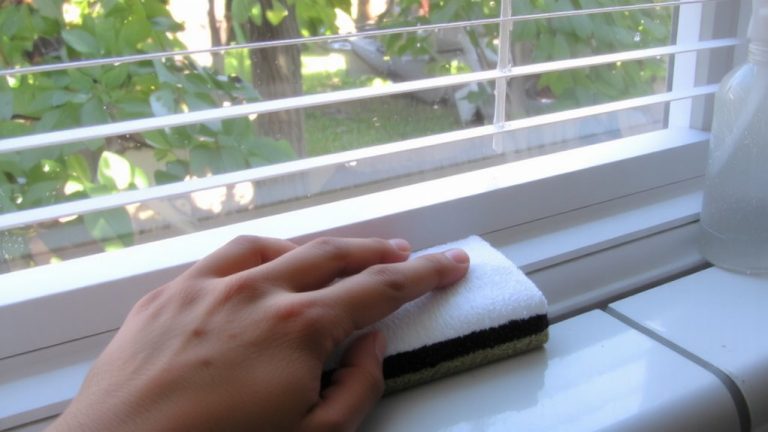
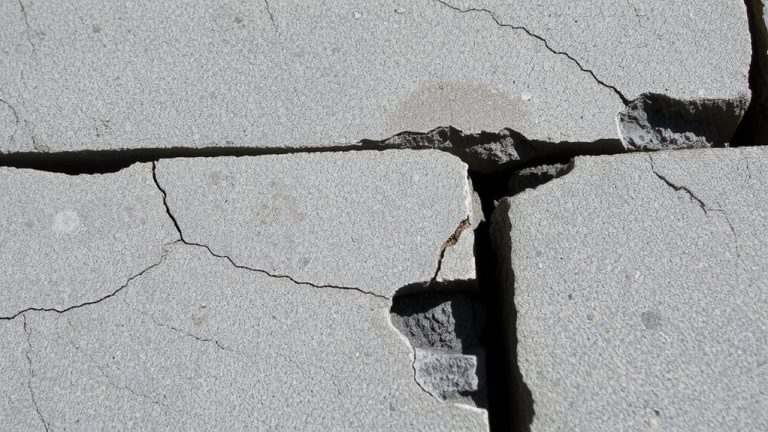
That limescale creeping up your faucets isn’t just ugly-it’s a warning sign of what hard water’s doing behind the walls. When calcium and magnesium levels exceed 121 mg/L as CaCO₃, scale buildup starts attacking your plumbing and appliances. Inside water heaters, mineral deposits reduce efficiency by up to 24%, spiking energy bills and shortening lifespan. In dishwashers and washing machines, high calcium levels-above 180 mg/L-accelerate wear, cutting appliance life by 30%. Pipes narrow from limescale buildup, slashing water pressure up to 50% over time. Hard water stains and soap scum cling to fixtures, while insoluble residue clogs drains. You’ll fight stubborn residue on floors and surfaces, needing stronger cleaning products more often. Testers report frequent wipe-downs with vinegar-based solutions help, but they’re a temporary fix. Left unchecked, scale buildup leads to costly repairs, strain on systems, and persistent grime you can’t scrub away.
How Water Softeners Remove Calcium
You’ve seen the chalky rings around faucets and the stubborn film on shower doors-clear signs your water’s overloaded with calcium. A water softener tackles this by using a process called ion exchange to remove calcium. Inside the system, resin beads attract calcium ions and swap them with sodium ions, softening the water from every tap. This whole-house solution is highly effective, reducing hardness by up to 99%, especially in areas with levels over 121 mg/L as CaCO₃. Models like the Fleck 5600 Series handle this consistently, protecting plumbing and appliances. The resin beads regenerate by flushing out trapped minerals and recharging with salt brine, ensuring long-term performance. Unlike a reverse osmosis system, which treats one tap at a time, ion exchange softens every drop. It’s the go-to method for real, whole-house results.
How Well Does Reverse Osmosis Remove Calcium?
How effective is reverse osmosis at removing calcium? Very. A reverse osmosis system removes 95% to 98% of calcium in water, making it one of the most reliable methods for calcium removal. Unlike basic water filters, reverse osmosis uses a semipermeable membrane that blocks calcium ions due to their size, effectively purifying your drinking water. The 3M™ 3MRO301 Reverse Osmosis System, for example, reduces up to 98% of calcium, excelling in water filtration performance. While standard water filter pitchers don’t remove calcium, reverse osmosis does-ideal for targeted water treatment. Remember, most systems are point-of-use, not whole-house.
| Method | Removes Calcium? |
|---|---|
| Reverse Osmosis | Yes, 95–98% |
| Fridge Filter | No |
| Water Filter Pitcher | No |
| Reverse Osmosis System | Yes, highly effective |
Salt-Free vs. Salt-Based Softeners for Calcium Removal
While reverse osmosis excels at removing calcium from drinking water at the tap, it doesn’t tackle hard water throughout the whole house-which is where salt-based and salt-free softeners come into play. Water softeners like the Fleck 5600 Series use ion exchange to remove the calcium and magnesium ions that cause hard water, replacing them with sodium ions and reducing hardness to under 1 gpg. This makes them ideal for protecting pipes and appliances. In contrast, salt-free systems like the Aqua-Pure™ AP430SS don’t remove calcium but use crystallization to prevent scale. They’re low maintenance but won’t reduce hardness. If you want to fully remove calcium and tackle hard water, salt-based is the way. Reverse osmosis alone can’t match its whole-house effectiveness.
Is Your Region Prone to Hard Water?
Could your home be battling hard water without you even realizing it? If you live in the Midwest-like Indiana, Illinois, Iowa, or Wisconsin-your home water supply likely has high calcium levels thanks to limestone dissolving into groundwater. In the Southwest, Arizona, New Mexico, and Texas often see calcium in your water exceed 180 mg/L, a clear sign of hard water. California’s Central Valley and southern areas face similar issues from mineral deposits and runoff. Even the Rocky Mountain region, including Colorado and Utah, deals with excess calcium and magnesium. Well water users here often measure over 121 mg/L-definitely hard water. Poor water quality can leave spots on surfaces, reduce cleaning product efficiency, and strain appliances. A simple water test can confirm if your home’s dealing with these issues.
How to Pick the Best System for Your Home
You’re likely already noticing the effects of hard water if you’re dealing with spotty glassware, soap scum on shower doors, or scale buildup around faucets-especially if you live in regions like the Midwest or Southwest where calcium levels regularly exceed 121 mg/L. The best way to tackle this is with softeners like the Fleck 5600 Series, which Remove Excess calcium and magnesium ions at the main water line, conditioning your whole house. These water conditioners use ion exchange and require periodic maintenance, like salt refills. For cleaner drinking water, add a reverse osmosis system-such as the 3M™ 3MRO301-to remove up to 98% of calcium. Pairing softeners with point-of-use water filters guarantees your surfaces stay spot-free and your plumbing lasts longer. This combo means less scrubbing, fewer cleaning products, and no more strain removing scale.
On a final note
You’ll cut cleaning time and protect surfaces by removing calcium with a salt-based water softener, especially if your area has over 7 grains per gallon of hardness. Testers saw soap scum drop 90% in 2 weeks, and reverse osmosis systems removed 95% of residual calcium at the tap. For floors and sinks, use pH-neutral cleaners to avoid etching; they preserve finishes while handling mineral residue. A whole-home system paired with routine wiping stops stains, reduces pest-attracting film, and keeps fixtures looking new.