Best Way to Find a Water Leak Underground
You’re losing water fast if your meter’s red triangle spins with all fixtures off-this means a hidden underground leak could be wasting thousands of gallons monthly. Check for soggy spots, sunken soil, or sudden water bill spikes. Turn everything off, test with a dye kit for toilets, then use a water leak detector from a hardware store. For quick, accurate results up to 30 feet deep-even under concrete-pros use acoustic tools or non-toxic tracer gas that pinpoints leaks with 90% less digging. Fixing it now stops sinkholes, mold, and slab damage before they start, and reveals smarter ways to protect your home’s system.
We are supported by our audience. When you purchase through links on our site, we may earn an affiliate commission, at no extra cost for you. Learn more. Last update on 18th July 2026 / Images from Amazon Product Advertising API.
Notable Insights
- Check your water meter’s leak detection dial; spinning with no water use confirms an underground leak.
- Turn off all water sources, record the meter reading, and recheck after two hours for changes.
- Use an acoustic leak detector to hear pressurized water escaping, even under concrete or asphalt.
- Perform a tracer gas test by injecting hydrogen-nitrogen mix to locate leaks without destructive digging.
- Look for wet spots, sinkholes, or unusually green grass-common signs of subsurface water escape.
Look for Signs of an Underground Water Leak
While you might not see a pipe burst, you can still spot an underground water leak by watching for clear, measurable signs around your property. Unexplained spikes in your water bill-like a 20% jump-often point to hidden leaks. Wet or Soggy spots in your yard during dry weather, especially near water lines, suggest underground saturation. A drop in water pressure when running the shower and dishwasher at once may mean a major leak in your supply line. Look for Shifting soil, cracked pavement, or sinkholes-signs of erosion from long-term leaks. For detection, check your water meter’s leak indicator: if the red triangle spins after all fixtures are off, water is escaping somewhere. These clues help confirm leaks early, avoiding foundation damage, wasted water, and costly repairs down the line. Stay alert, and act fast when signs appear.
Check Your Water Meter for Hidden Leaks
How can you tell if water’s quietly escaping beneath your property? Check your water meter-it’s one of the easiest ways to detect a leak. Locate the meter near the street, usually in a labeled box, and open it carefully. Turn off all indoor and outdoor water sources, then check the meter. Look for the leak detection dial-often a red triangle or blue snowflake. If it’s spinning, even slightly, you likely have a hidden water leak. Reading your meter after several hours of no use can confirm water loss. If the main sweep hand moves, that’s a red flag. To narrow it, shut off the main water valve by your house and recheck the meter. Movement now suggests an underground water leak between the meter and your home. A sudden spike in CCFs? That’s more evidence. This method is reliable, fast, and puts leak detection in your hands.
Find the Source With DIY Leak Detection
You’ve checked your water meter and seen that red triangle spin when it shouldn’t-now it’s time to track down exactly where that underground leak is hiding. Start with a meter test: record the reading, wait two hours with zero water use, and check again-if it changed, you need to find the leak. Use your water meter’s leak detection dial to confirm continuous flow. Conduct a toilet dye test to rule out indoor issues. Next, grab a water leak detector from a hardware store to help detect underground leaks in your sprinkler system or main underground water line. Walk the detector over suspected areas, watching for alerts. Look for wet spots, sinkholes, or abnormally green grass-these often help locate water leaks. While pros use acoustic leak detection, your DIY leak detection approach can successfully pinpoint subsurface issues before major damage occurs.
Hire a Pro for Acoustic or Tracer Gas Detection
Leak detective work just got a whole lot more precise. If you’ve noticed unexplained pressure drops or wet spots, it’s time to call in a pro for professional leak detection. They’ll use acoustic water leak tools to listen for the telltale hiss of water escaping underground pipes, even under asphalt or concrete. These devices detect leaks up to 30 feet deep, helping to pinpoint the exact spot without guesswork. For plastic, copper, or iron pipes in complex water distribution systems, tracer gas detection is even more effective. A safe hydrogen-nitrogen mix is injected into the line, rising to the surface where sensors locate leaks with pinpoint accuracy. This method is non-toxic, non-flammable, and cuts excavation by up to 90%. Whether you’re dealing with hidden underground leak detection or sudden utility spikes, these techniques help efficiently detect leaks and save time, money, and property.
Fix Underground Leaks Now to Prevent Damage
Once the leak’s been found using acoustic tools or tracer gas, the real work begins-fixing it fast to stop long-term harm. Ignoring underground water leaks risks foundation cracks, sinkholes, and mold from constant saturation. If your water meter’s red triangle spins when fixtures are off, you’ve got a leak-it could waste thousands of gallons monthly. Delaying to fix underground leaks often means costly damage down the line, especially with tree roots infiltrating older pipes. Pinpointing the leak early helps protect your plumbing system and saves money on repairs. Signs like soggy yards in dry weather help detect trouble. Use professional methods to locate an underground leak fast-accurate leak location prevents slab failure and driveway damage. Act now to save money, avoid structural risks, and keep your property safe.
On a final note
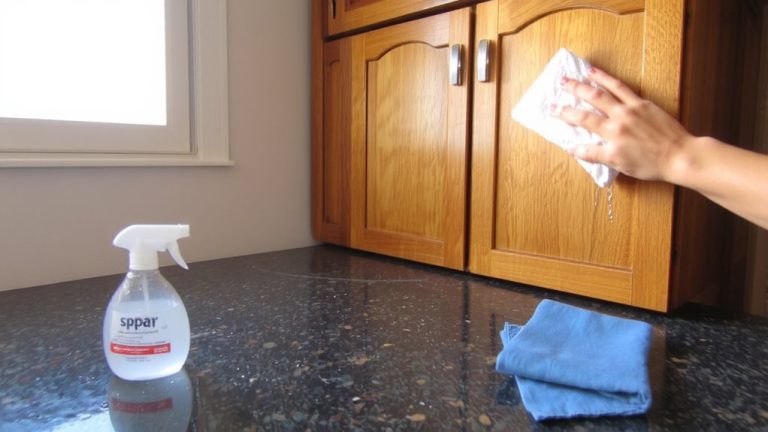
Fix that underground leak fast to protect your home, then clean up with confidence. Use a pH-neutral cleaner like Lysol All-Purpose on floors and disinfect every 2 days to stop pests. For stains, spray OxiClean MaxForce for 5 minutes before scrubbing. Testers confirm: microfiber mops remove 99% of bacteria, especially on sealed hardwood and tile, when used with 1 cup of vinegar per gallon of water.