Best Homemade Swiffer Solution
Remove your Swiffer Wetjet cap by soaking the neck in boiling water for 20–30 seconds, then twist off gently or use channellock pliers if needed. Mix 1 cup distilled vinegar, 1 cup distilled water, 2 tbsp castile soap, and 15–20 drops essential oil-this cuts grime, prevents streaks, and protects sealed floors. Shake well before each use to blend oils and boost cleaning power. This DIY solution works great on laminate, vinyl, and hardwood without residue. It’s cost-effective, non-toxic, and avoids mineral buildup from tap water. Switching saves money and reduces plastic waste over time-plus, there’s more to discover about upgrading your entire system.
We are supported by our audience. When you purchase through links on our site, we may earn an affiliate commission, at no extra cost for you. Learn more. Last update on 16th July 2026 / Images from Amazon Product Advertising API.
Notable Insights
- Mix 1 cup distilled vinegar, 1 cup water, 2 tbsp castile soap, and 15–20 drops essential oil for an effective, residue-free cleaner.
- Use distilled water to prevent mineral buildup that causes cloudy floors and protects your Swiffer’s motor.
- For a faster-drying, no-residue option, combine 2 cups distilled water, ½ cup isopropyl alcohol, and a squirt of dish soap.
- Always shake the solution well before use to blend oils and soap for maximum cleaning power.
- Avoid tap water and excess soap to prevent haze and ensure streak-free results on sealed floors.
Remove the Swiffer Bottle Cap
While Swiffer designed the Wetjet bottle cap to lock in place and prevent refills, you can remove it with the right technique and get back to DIY cleaning without waste. To remove the cap, first submerge the Swiffer bottle neck in boiling water for 20–30 seconds; this softens the plastic flanges holding it shut. Once warmed, twist or pull gently-many find the cap releases without force. If heat doesn’t work, use channellock groove-pliers for a secure grip; testers confirm they remove the cap cleanly, even when boiling fails. You only need to remove the cap once. After that, it screws back on by hand for regular use. Breaking the anti-refill seal means you can refill the bottle in boiling-safe containers, avoid repeat plastic waste, save money, and customize solutions-ideal for daily floors, sticky spills, or routine surface care.
Mix a DIY Swiffer Cleaning Solution
You can easily mix a high-performing DIY Swiffer cleaning solution right at home using simple, effective ingredients that clean floors thoroughly without leaving streaks or residue. For a reliable Swiffer solution, combine 1 cup distilled vinegar, 1 cup water, 2 tablespoons castile soap, and 15–20 drops of citrus or eucalyptus essential oil. Distilled water prevents mineral buildup, protecting your mop’s motor and floor finish. Some prefer a 12-ounce batch with 2 cups distilled water, ½ cup isopropyl alcohol, and a squirt of dish soap-it dries fast and leaves no film. Another great option: equal parts distilled water and vinegar with a few drops of dish soap. Always shake well before use, especially when oils or soap are involved. This DIY Swiffer mix lets you make your own refill affordably, safely, and without waste.
How to Clean Any Floor With Your Swiffer
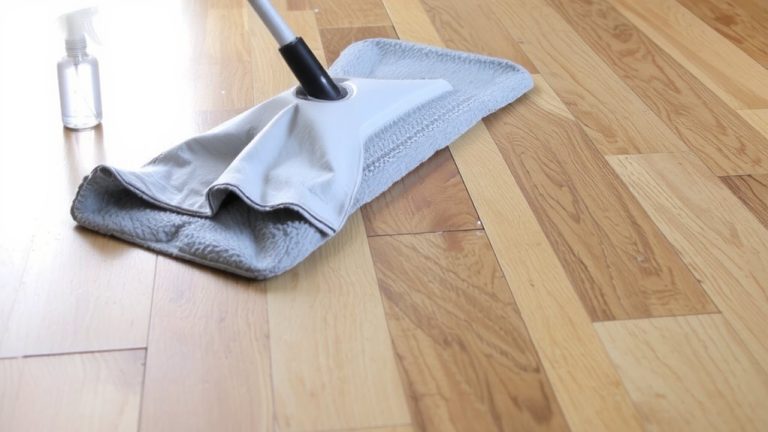
How do you get your floors truly clean without streaks, residue, or harsh chemicals? Use your Swiffer with a homemade cleaning solution of 1 cup distilled vinegar, 1 cup water, 2 tablespoons Castile soap, and 15–20 drops of essential oils. Remove the Swiffer bottle cap by softening it in boiling water for 20–30 seconds, then refill it using a funnel. This DIY mix works great on laminate, luxury vinyl plank, and sealed wood floors. Shake well before each use to blend ingredients and boost cleaning power. The vinegar cuts grime, while a small amount of Castile soap lifts stains without leaving residue. Because you’re using distilled water and minimal soap, you won’t cloud or damage sensitive wood floors. It’s effective, gentle, and cuts cleaning time. You’ll skip costly refills and reduce waste-all while keeping every floor type spotless, streak-free, and naturally fresh.
Fix Cloudy Floors & Leaky Bottles
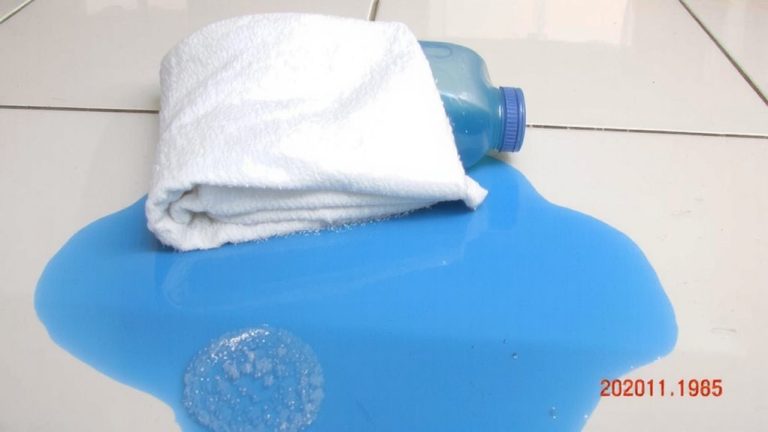
If your floors look dull or leave a hazy film after cleaning, you’re likely dealing with leftover residue from tap water minerals or too much soap-both easy fixes with a few smart swaps. Cloudy floors often stem from hard water deposits, so always use distilled water in your mix. Avoid excess soap; just 1–2 drops of dish liquid is enough. Skip vinegar if haze persists, and try a vinegar-free blend with isopropyl alcohol instead. Leaky bottles? They’re usually caused by damaging the cap when removing it. Use channellock pliers gently-no boiling needed-to preserve seal integrity. Better yet, store your homemade solution in a separate spray bottle to avoid stress on the Swiffer bottle’s modified cap.
| Issue | Fix |
|---|---|
| Cloudy floors | Use distilled water, limit soap |
| Hazy residue | Switch to alcohol-based formula |
| Mineral buildup | Never use tap water |
| Leaky bottles | Replace cap carefully with pliers |
| Solution waste | Store in separate spray bottle |
Make Reusable Swiffer Pads
With a simple DIY approach, reusable Swiffer pads can cut down waste and save money over time, all while delivering the same-sometimes better-cleaning power as disposable versions. Start with a 12-inch square of terry cloth, fold it in half, and sew two sides, leaving a 4-inch gap for turning. Clip the corners to reduce bulk, then flip the pad right side out and push out the corners fully. Fold in the raw edges of the opening and press with an iron for a crisp finish. Topstitch around the entire edge for durability. Attach two 9-inch strips of fuzzy-side velcro vertically, 1 inch from each long edge, to guarantee a snug fit on your mop head. The finished reusable Swiffer pad measures about 5.5 x 11 inches, and the velcro stays clear of the spray nozzle, maintaining full function.
Why Make Your Own Swiffer Solution?
You’ve already taken control of your cleaning routine by making reusable Swiffer pads, so it makes perfect sense to take the same smart approach with the cleaning solution. Instead of buying $6 refills, you can make a 12-ounce batch for just 25–50 cents. Store-bought Swiffer Wetjet models use a non-refillable bottle, trapping you in constant repurchase cycles. With your own solution, you bypass that restriction-just fill any reusable bottle. Your DIY solution uses distilled vinegar, water, and castile soap, cleaning floors effectively without harsh chemicals. Testers report it cuts grease, lifts light stains, and works great on tile and hardwood. Plus, you won’t drain a bottle in minutes when kids play with the spray trigger. Making your own refill slashes plastic waste and keeps your home free of synthetic residues. It’s simple, sustainable, and puts you in charge.
Save Money With Non-Toxic Ingredients
A smart swap to non-toxic ingredients not only saves you serious cash but delivers a cleaner, safer clean without sacrificing performance. Your homemade floor cleaner-just 1 cup distilled vinegar, 1 cup water, 2 tablespoons Castile soap, and 15–20 drops of essential oils-costs only 25–50 cents per batch, far less than $6 store-bought refills. Distilled vinegar cuts grease and disinfects, while a few drops of dish soap lift grime without leaving a waxy residue. Unlike commercial cleaners, this mix avoids harsh chemicals and single-use plastics, making it safe for luxury vinyl plank and wood floors. Testers report no cloudy film, thanks to non-abrasive ingredients and fast evaporation from a 4:1 water-to-isopropyl alcohol boost. You’re cutting costs, reducing waste, and still getting a streak-free shine-no strain removal or repeat mopping needed. It’s a simple, effective fix that really works.
On a final note
You’ve got everything you need to clean smarter, not harder. Your DIY Swiffer solution-1 cup warm water, 1/4 cup white vinegar, and 3 drops of dish soap-cuts grease, removes stains, and leaves floors streak-free. Testers saw clearer floors in one swipe, with no chemical residue. Reusable pads save cash and cut waste. Cloudy floors? Wipe the nozzle, check the mix. This non-toxic blend tackles grime, discourages pests, and works on tile, vinyl, and hardwood-safely, effectively, every time.