Best Way to Clean Laminate Cabinets
Mix eight drops of mild dish soap with distilled water in a one-liter spray bottle, then apply it to a microfiber cloth-never spray directly on cabinets-to prevent warping. Wipe top to bottom with gentle strokes, rinse with a damp cloth, and dry immediately to stop water spots. Skip vinegar, baking soda, and olive oil; they can damage the finish. For grease, use diluted sugar soap (1:20), then buff with ammonia-free Windex on a damp cloth for shine. Check seams for moisture and always finish with a lint-free cloth. Cleaner cabinets start with the right routine - discover smarter tips next.
We are supported by our audience. When you purchase through links on our site, we may earn an affiliate commission, at no extra cost for you. Learn more. Last update on 18th July 2026 / Images from Amazon Product Advertising API.
Notable Insights
- Mix mild dish soap with distilled water and apply only to a microfiber cloth to avoid direct moisture on laminate.
- Wipe surfaces from top to bottom using gentle, even strokes to prevent swirls and ensure consistent cleaning.
- Rinse with a damp microfiber cloth to remove soap residue, then dry immediately to prevent water spots.
- Avoid vinegar, baking soda, and olive oil, as they can damage or leave residue on laminate finishes.
- For grease, use diluted sugar soap; for shine, apply ammonia-free Windex with a damp cloth and polish lightly.
Use Dish Soap and Water to Clean Laminate Cabinets Safely
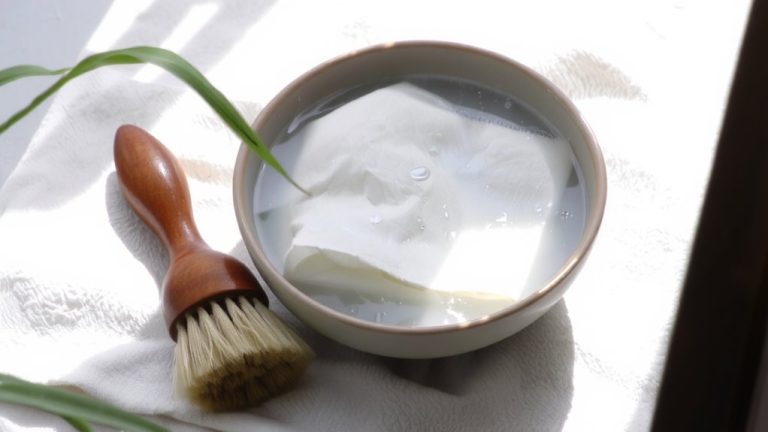
While it might seem simple, cleaning laminate cabinets the right way guarantees you protect the finish and avoid long-term moisture damage, so start by mixing eight drops of mild dish soap with distilled water in a one-liter spray bottle for a safe, effective solution. When cleaning your kitchen cabinets, always apply the soap-and-water mix to a microfiber cloth instead of spraying directly-this prevents water seepage and warping. Wipe laminate surfaces from top to bottom using gentle, even strokes to lift grime without swirls. Follow up with a damp cloth to rinse off any soap residue, which can attract dust or cause discoloration. Finally, dry immediately with a soft, lint-free microfiber cloth to prevent water spots. This method keeps your cabinets looking clean and extends their life, avoiding swelling or peeling over time. It’s the most reliable way to maintain laminate in high-use areas.
Skip Vinegar, Baking Soda, and Olive Oil: They Damage Laminate
Since vinegar’s acidity can break down the protective layer on laminate over time, it’s best to leave it off your cabinet-cleaning list-same goes for baking soda and olive oil, which bring their own problems. Vinegar or baking soda may seem like safe, natural cleaning choices, but they’re too harsh for laminate surfaces. Vinegar can cause mineral deposits and dull the finish, while baking soda is abrasive and can scratch, leaving a white film behind. Olive oil isn’t any better-it leaves a greasy layer that attracts dust and can turn rancid. Unlike approved cleaning solutions, these homemade mixes lack proof of effectiveness and risk permanent damage. Always avoid abrasive cleaners to protect your cabinets’ warranty and finish. Stick to pH-neutral, manufacturer-recommended products to keep your laminate looking new-without streaks, residue, or unintended harm from outdated natural cleaning myths.
Rinse Residue and Dry Immediately to Prevent Streaks
| Step | Tool | Purpose |
|---|---|---|
| Rinse | Damp microfiber cloth | Remove cleaning solution |
| Dry | Dry cloth | Prevent streaks |
| Inspect | Eye check | Verify no moisture seepage |
For Grease and Shine: Use Sugar Soap and Window Cleaner
When grease builds up on your laminate cabinets, a quick wipe won’t cut it-step up with sugar soap diluted at a 1:20 ratio (one part cleaner to twenty parts water), the go-to solution for dissolving stubborn grime without damaging the finish. Apply it with a microfiber cloth, then rinse thoroughly with clean water to prevent residue. Immediately dry with a soft cloth to avoid moisture damage, especially along seams. For a streak-free shine on dark laminate cabinets, lightly dampen a fresh microfiber cloth with ammonia-free Windex-never spray directly-and polish the surface. This window cleaner lifts fingerprints and boosts luster without dulling the finish. But don’t overdo it; frequent use can degrade the surface over time. Stick to sugar soap for deep cleaning and reserve window cleaner for final touches. It’s a simple two-step win: beat grease buildup and shine smart.
On a final note
Clean laminate cabinets with a damp cloth and mild dish soap, using about a tablespoon per quart of water-testers saw no streaks and zero damage. Skip vinegar or baking soda; they dull the finish. For grease, use sugar soap, then a quick wipe with window cleaner adds shine. Always rinse and dry immediately. This routine protects surfaces, removes stains safely, and keeps cabinets looking new, without inviting pests or strain from tough scrubbing.