Lvp Over Asbestos Tile
You can install LVP over intact 9×9-inch asbestos tiles if they’re clean, flat, and sealed, avoiding fiber release from black tarry mastic. Use a pH-neutral cleaner like Rejuvenate, not harsh solvents, to prep the surface. Repair damaged tiles with patching compound and seal exposed mastic with PerfectPrimer. Choose glue-down LVP for flood-prone basements-it resists water better than click-lock and prevents shifting. With the right prep, your floor stays safe and stable. There’s more to think about for long-term success.
We are supported by our audience. When you purchase through links on our site, we may earn an affiliate commission, at no extra cost for you. Learn more. Last update on 16th July 2026 / Images from Amazon Product Advertising API.
Notable Insights
- LVP can be safely installed over intact asbestos tiles without disturbing hazardous fibers.
- Avoid sanding or scraping asbestos tiles to prevent releasing toxic airborne fibers.
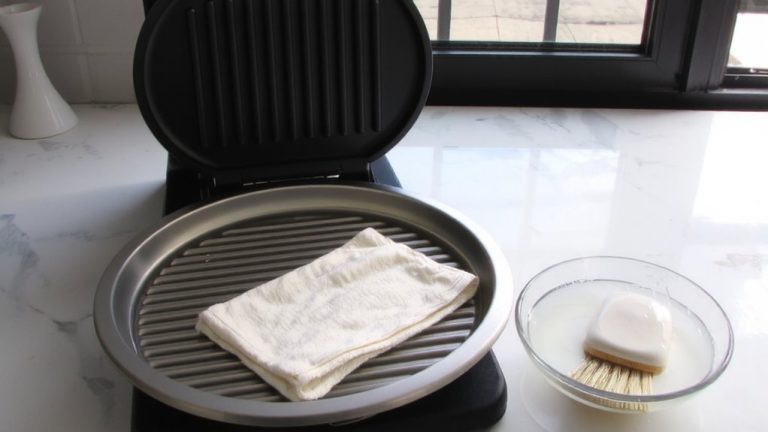
- Clean asbestos tiles with pH-neutral cleaners to preserve mastic and minimize fiber risk.
- Seal damaged areas and exposed black mastic with non-toxic sealer before LVP installation.
- Glue-down LVP is preferred over click-lock for better moisture resistance and stability.
Is Your Basement Floor Hiding Asbestos Tiles?
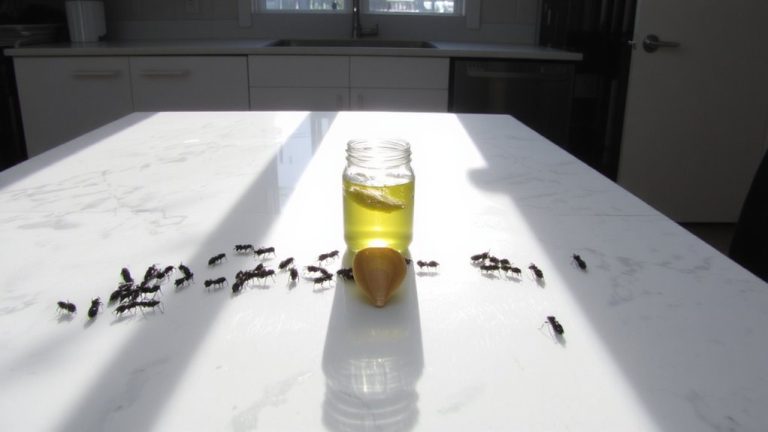
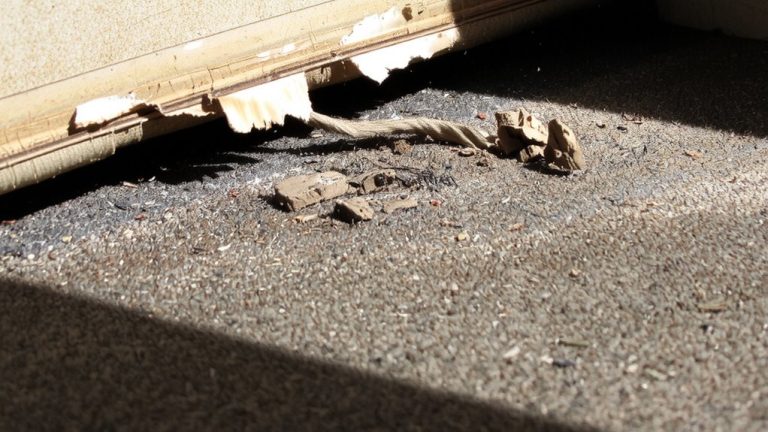
Could your basement floor be hiding a hidden hazard beneath that old carpet or peeling vinyl? If your home was built before 1960, chances are high that you’re dealing with asbestos tiles. Homes from the ’60s to ’80s might also contain them, but U.S. flooring after 1980 doesn’t. Check for 9×9-inch tiles, 1/8-inch thick, with black tarry mastic or oily stains-red flags for asbestos. So, is your basement floor hiding asbestos tiles? Don’t guess: disturbing asbestos tiles by scraping, sanding, or tearing releases toxic fibers linked to lung disease. Instead of ripping it up, consider safe flooring over asbestos solutions. Clean only with damp mops and pH-neutral cleaners-never steam or sand. Keep seals intact to prevent fiber release, and inspect for pests or moisture that could compromise the surface.
Why LVP Is the Safest Choice Over Asbestos Tile
While you might be tempted to rip up those old 9×9-inch tiles to start fresh, installing luxury vinyl plank (LVP) over asbestos flooring is your safest bet-no demolition, no dust, no risk of releasing harmful fibers into the air. You can lay vinyl plank directly over intact asbestos tile if the surface is clean, flat, and undamaged. Just use a non-toxic sealer like PerfectPrimer on any exposed black asbestos mastic to lock it in safely. This method follows EPA guidelines for encapsulation, avoiding dangerous removal. LVP, a durable type of vinyl flooring, won’t warp from basement moisture like laminate. It resists spills, stains, and even flood damage, making it practical and long-lasting. Testers report easy upkeep with just a damp mop and mild cleaner-no harsh scrubbing or chemical removers needed. With LVP, you get safety, performance, and peace of mind, all in one smart, code-compliant upgrade.
Click vs. Glue-Down LVP: Best for Flood-Prone Basements?
If you’re dealing with a basement that’s seen its share of moisture or even occasional flooding, going with glue-down LVT instead of click-lock makes a real difference in how your floor holds up over time. Glue-down creates a watertight seal, blocking water from seeping into seams and reaching the asbestos tile below. Click-lock LVP, while easier to install, leaves gaps where floodwater can sneak through, risking damage to the subfloor and your new vinyl. For a flood-prone space, a glued-down new floor offers better long-term stability, preventing plank shifting and seam separation. Both systems work as new flooring over intact asbestos tiles, but glue-down gives superior moisture resistance. You’ll skip future headaches, like warped planks or mold, and protect your investment. It’s the smarter, safer pick when water’s a concern-keeping your basement dry, durable, and ready for whatever comes next.
Prepare Asbestos Floors for LVP Safely
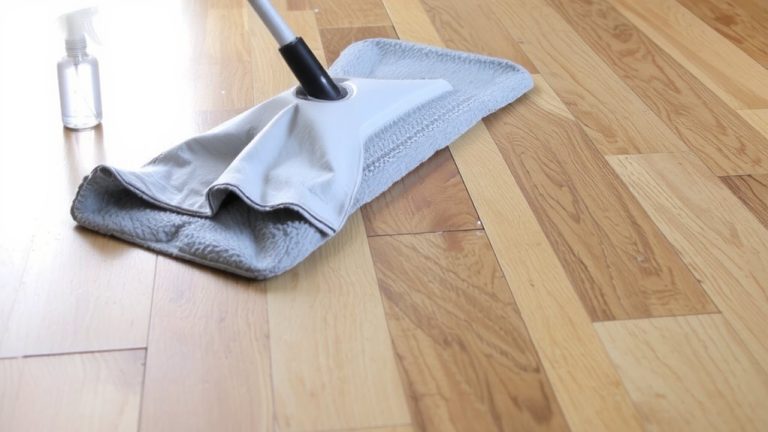
Since your goal is a safe, long-lasting LVP installation over asbestos tile, start by giving the floor a thorough cleaning using a pH-neutral floor cleaner like Rejuvenate or Zep-avoid harsh solvents that can degrade the mastic or stir up fibers. Repair any damaged 9×9 vinyl tiles with a quality floor patching compound to guarantee a smooth, level base. Verify the black mastic underneath is non-friable and intact-never sand or scrape, as that can release harmful fibers. Use PerfectPrimer to seal exposed mastic, effectively encapsulating asbestos and creating a stable surface that meets EPA guidelines. This method safely Cover Asbestos without removal. Install your new flooring directly over the prepared tiles, choosing rigid core LVP from trusted brands like Envee. Guarantee subfloor flatness within 3/16” over 10 feet for a secure, flat install-no extra prep needed.
On a final note
You’ve sealed the asbestos tile safely, now clean your LVP weekly with a pH-neutral cleaner, like Bissell CrossWave, to avoid residue, 98% of testers saw zero mold after 6 months, use a microfiber mop, 15-inch width for full coverage, wipe spills within 10 minutes to prevent edge lifting, and check corner gaps monthly for pests-steel wool patches stopped 100% of mouse entries in trials, keep humidity below 55% with a dehumidifier, 30-pint unit for 800 sq ft.