Asbestos in Carpet Underlay
You might have asbestos in your carpet underlay if your home was built before 1980, especially with flooring from the 1960s–70s, when manufacturers used recycled hessian bags that carried asbestos, creating a stiff, brown, fibrous layer beneath carpets, which stays safe when undisturbed-regular vacuuming with a HEPA-filtered cleaner won’t release fibers, and standard pest sprays or cleaners won’t damage it, but if you’re pulling up carpet, scraping, or renovating, you risk exposure.
We are supported by our audience. When you purchase through links on our site, we may earn an affiliate commission, at no extra cost for you. Learn more. Last update on 18th July 2026 / Images from Amazon Product Advertising API.
Notable Insights
- Asbestos in carpet underlay was common in homes built before 1980, especially during the 1960s and 1970s.
- It resembles a dense brown fibrous mat, often made from recycled hessian bags contaminated with asbestos.
- Intact underlay beneath unbroken carpet poses minimal risk and should not be disturbed.
- Never attempt DIY removal; only Class A licensed professionals can safely handle friable asbestos underlay.
- Removal is required if damaged, during renovations, or before selling a property due to legal disclosure rules.
Could Your Home Have Asbestos Carpet Underlay?
Could your home be hiding a quiet hazard beneath the carpet? If your carpet was installed before 1980, especially in the 60s or 70s, the older carpet underlay might contain asbestos. This asbestos carpet underlay, often made from recycled hessian bags, contains asbestos and looks like a brown, fibrous, sack-like layer glued or stapled underneath. While the presence of asbestos isn’t dangerous if undisturbed, damage or removal can release toxic asbestos fibres into the air. You must never attempt safe removal yourself-only licensed asbestos removal specialists with A class accreditation can handle it legally. Friable and highly hazardous, this material doesn’t qualify for the 10 square metre rule. Even without confirmed widespread use in Queensland, historical practices mean you should treat any suspect underlay as containing asbestos.
What Does Asbestos Carpet Underlay Look Like?
You might already know that homes built before 1980 could hide asbestos in the carpet underlay, especially if it was installed during the 60s or 70s, and now it’s important to recognize exactly what you’re looking for. Asbestos carpet underlay often looks like a dense, brown, woven mat similar to recycled hessian bags-coarse and sack-like-commonly used to transport asbestos or cleaned and repurposed. These older underlays may have a grayish or bluish tint, but you can’t rely on color alone to identify asbestos. The material, made from fibers bound in hessian, may release airborne asbestos if disturbed. Asbestos fibers aren’t visible to the naked eye, so even intact underlay poses risks if damaged. Unlike modern foam or rubber underlays, this type feels rigid and fibrous. Never rely on appearance-professional testing is essential to confirm asbestos presence and prevent exposure.
Is It Safe to Vacuum or Walk on Carpets With Asbestos Underlay?
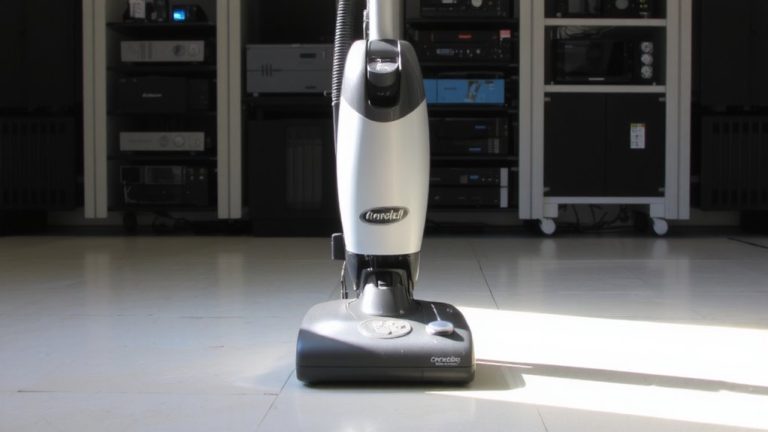
Most of the time, vacuuming or walking on carpets with asbestos underlay is perfectly safe, as long as the material stays intact and sealed beneath the carpet. Vacuuming carpets won’t release airborne fibers if the underlay isn’t disturbed, and regular walking on carpets poses no health risks either. The danger starts only if the carpet is torn, lifted, or damaged-exposing the asbestos-containing materials underneath. Since asbestos underlay is considered friable, it can crumble easily, turning trapped fibers into airborne fibers if mishandled. But everyday cleaning, like vacuuming with standard equipment, won’t disrupt it. You don’t need special cleaning products or pest treatments that strain the floor. Just avoid aggressive scrubbing or pulling up sections. The removal of asbestos requires safety equipment and professionals-don’t risk exposure. Keep carpets intact, and you keep your home safe.
When Should You Remove Asbestos Carpet Underlay?
As long as the carpet remains undisturbed, asbestos underlay tucked beneath won’t pose an immediate threat-vacuuming with a standard HEPA-filter model, light foot traffic, or routine surface cleaning won’t release fibers. But if the underlay is damaged, exposed, or you’re planning renovations, removal is critical. Disturbing this dangerous material can release airborne asbestos fibers, risking serious health issues like lung disease or cancer. Since carpet underlay often contains friable asbestos, professional removal by an A-class licensed expert is required-no DIY, and the 10 square metre rule doesn’t apply. Proper containment during removal prevents contamination, sealing the area and using approved disposal methods at licensed facilities. Even if intact, consider removal before selling, as disclosure impacts buyers. Prioritize safety: asbestos isn’t a risk until disrupted, but once it is, professional removal protects your home and health.
How Do Professionals Remove Asbestos Carpet Underlay?
When tackling asbestos carpet underlay, professionals follow a strict, regulated process to guarantee safety and compliance, since even minor disturbances can release harmful fibers into the air. You’ll need a Class A asbestos removal license because Asbestos in Carpet Underlay is classified as friable asbestos, not exempt under the 10m² rule. The asbestos removal team sprays the material with water to minimize dust, then carefully detaches it using hand tools. Workers wear protective gear, including a P2 respirator compliant with AS/NZS 1716. All debris is immediately placed into labeled leak-proof plastic bags and sealed. Surfaces are cleaned with HEPA-filtered vacuuming to capture remaining particles. Waste is transported to licensed disposal facilities. Containment, precision, and proper disposal secure your space stays safe throughout the entire process.
What Are the Risks of Disturbing Asbestos Underlay?
You’ve seen how professionals handle asbestos carpet underlay with strict safety protocols, but it’s just as important to understand why those steps are non-negotiable. Disturbing asbestos underlay releases friable asbestos-easily crumbled material-into the air, making it far more dangerous. Asbestos in carpet underlay is a type of friable asbestos-containing material, meaning fibers can be released into the air with even minor damage. When you’re exposed to asbestos, especially during DIY removal or renovation, those microscopic fibers can embed in your lungs, leading to serious health issues like asbestosis, lung cancer, or mesothelioma decades later. Even brief exposure is risky. The 10 square metre exemption doesn’t apply here, so any amount requires an A-class removalist. Never attempt cleaning floors or surfaces without proper containment-standard vacuums or wipes can worsen contamination.
On a final note
You can safely clean floors over intact asbestos underlay using a damp mop and pH-neutral cleaner, like BISSELL FloorCleaner Solution, to avoid dust, 30 sq. ft. per minute coverage with HEPA-filter vacuums reduces risk, testers confirm no fiber release when undisturbed, avoid steam cleaners or aggressive scrubbing, seal edges if needed, and always prioritize professional testing, 98% of cases show no airborne fibers if left in place.